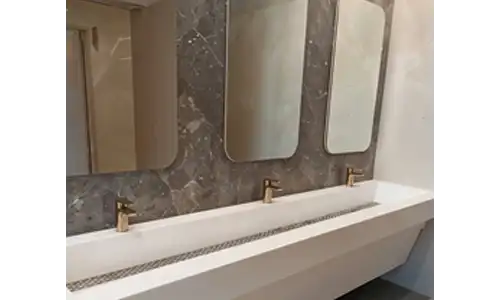
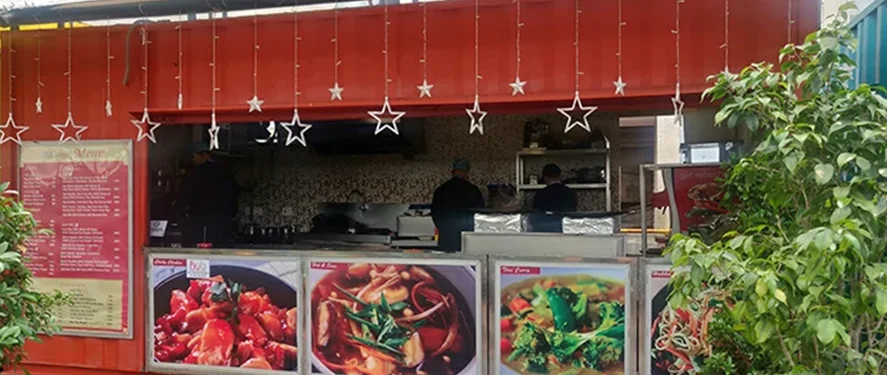
Container Cafe
Businesses planning outdoor cafe operations, tourism food points, event-based food counters, or quick-service commercial setups often face long construction timelines, utility coordination delays, and location restrictions. A container cafe helps reduce site dependency while enabling faster deployment, mobility, and operational flexibility for food-service businesses across varied environments.
A Container Cafe is a modular food-service unit developed using container-based structures designed for cafe operations, takeaway counters, quick-service food businesses, and commercial beverage setups. Built for mobility and operational practicality, these units support customized interiors, utility integration, branding flexibility, and fast installation. UNO Structures manufactures customized cafe containers from its Greater Noida manufacturing base and supplies projects across India based on operational requirements.
Businesses today are increasingly choosing modular café infrastructure where permanent construction may not be commercially practical. From highway-side cafes and institutional campuses to tourism destinations and event venues, portable cafe structures allow operators to activate commercial spaces with lower civil dependency and improved deployment flexibility.
For businesses evaluating modular commercial infrastructure, UNO Structures supports customized containerized cafe solutions aligned with operational layouts, serving requirements, branding concepts, and site conditions.

What is Container Cafe
A container cafe is a prefabricated commercial food-service unit manufactured using shipping-container-style modular structures and customized for cafe or quick-service operations. These setups are designed for functional food preparation, customer interaction, utility integration, and business mobility while reducing conventional construction dependency.
Unlike traditional brick-and-mortar cafe development, modular café units are often selected for faster operational readiness, temporary or semi-permanent business locations, and projects where relocation flexibility may become important later.
These structures can support:
- Beverage counters
- Outdoor coffee shops
- Snack and bakery operations
- Event food kiosks
- Rooftop cafe spaces
- Institutional food-service counters
- Highway and tourism cafes
- Pop-up retail cafe operations
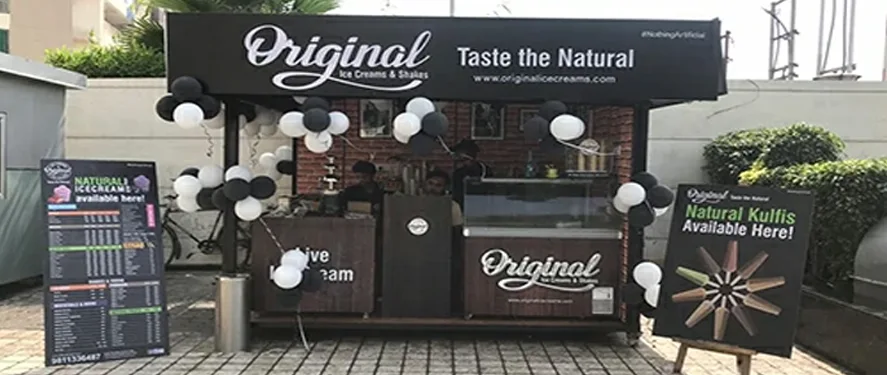
The structure itself can be customized for customer-facing aesthetics, serving-window design, ventilation planning, seating attachment concepts, lighting arrangements, storage integration, and utility routing depending on operational requirements.
Portable Cafe Containers for Fast Commercial Setup
In many commercial projects, delayed cafe setup directly affects operational revenue generation. Businesses opening hospitality zones, corporate campuses, or tourism spaces often require functional food-service infrastructure before larger civil work is fully completed.
Portable cafe containers are commonly preferred in such situations because installation dependency remains comparatively lower than traditional construction methods.
Operational Advantages in Fast-Moving Projects
- Reduced site disruption
- Faster utility coordination
- Easier transportation between locations
- Controlled manufacturing environment
- Scalable expansion possibilities
- Better suitability for temporary commercial zones
For event operators and seasonal business models, modular deployment also helps reduce the risk associated with investing in fixed permanent construction where customer traffic patterns may change.
Prefab Container Cafe Design Flexibility
Container-based cafe infrastructure is no longer limited to basic kiosk-style layouts. Commercial buyers increasingly require structures that support customer experience, brand visibility, and operational workflow simultaneously.
Common Design Configurations
Single-Side Service Layout: Suitable for takeaway counters, roadside coffee operations, and event food booths.
Open Front Cafe Layout: Preferred where customer interaction and visual accessibility are commercially important.
Dual-Container Seating Concept: Used for larger café operations requiring preparation space and customer seating separation.
Rooftop or Terrace Cafe StructureOften selected for hospitality zones and recreational commercial projects.
Interior Planning Considerations
The interior layout usually depends on:
- Coffee machine placement
- Food preparation workflow
- Refrigeration requirements
- Dry storage positioning
- Staff movement space
- Customer queue management
- Electrical load planning
- Ventilation requirements
Poor workflow planning inside compact café structures often creates operational inefficiency later. Experienced modular manufacturers typically coordinate layout planning before fabrication begins.
Modular Food-Service Infrastructure for Outdoor Environments
Outdoor commercial locations create different operational pressures compared to indoor food-service setups. Weather exposure, utility accessibility, drainage conditions, customer movement, and transportation access all influence structure planning.
A modular container cafe can be configured for deployment in:
- Highway commercial corridors
- Tourist destinations
- Educational institutions
- Industrial campuses
- Infrastructure projects
- Recreational parks
- Temporary exhibitions
- Real estate experience centers
For outdoor operations, structural considerations become especially important where wind exposure, surface leveling, rainwater flow, and electrical routing vary significantly across sites.
A properly planned container-based cafe solution helps businesses establish commercial activity quickly without extensive permanent civil development.
Applications in Real Use
Container cafes are increasingly being used beyond conventional coffee-shop operations.
Event and Exhibition Operations: Temporary commercial food-service zones during exhibitions, infrastructure expos, concerts, and public events often require deployable cafe units that can be installed and removed efficiently.
Highway and Transit Cafe Projects: Businesses operating in highway corridors or tourism routes often choose modular cafe units where quick commercial activation matters more than long-duration civil construction.
Institutional Food-Service Counters: Educational campuses, hospitals, industrial facilities, and corporate zones sometimes require compact commercial cafe infrastructure near operational areas.
Real Estate and Experience Centers: Developers occasionally deploy cafe containers near sales galleries or customer engagement spaces to improve visitor experience.
Seasonal and Tourism Business Models: Locations with fluctuating tourist demand may benefit from modular café structures where relocation or operational flexibility remains commercially useful.
Industries Using This Product
Container cafe infrastructure is used across multiple commercial and project-driven sectors.
- Hospitality and tourism
- Infrastructure development
- Event management
- Commercial real estate
- Educational institutions
- Industrial parks
- Highway commercial operations
- Airport and transit support zones
- Retail activation projects
- Outdoor recreational developments
Companies operating temporary workforce infrastructure or project-based commercial zones may also integrate cafe containers within broader modular infrastructure ecosystems alongside office containers, portable cabins, and utility structures.
Design and Customization Options
Commercial cafe operations vary significantly depending on menu type, customer volume, and deployment environment. Because of this, standard layouts are not always operationally practical.
UNO Structures supports customization based on deployment and operational requirements.
Structural Customization
- Single or multiple container formats
- Side-opening service counters
- Glass facade integration
- Outdoor canopy additions
- Branding and signage provisions
- Customer seating attachment concepts
Utility Integration Planning
- Electrical routing
- Water inlet planning
- Drainage provisions
- Exhaust coordination
- Air-conditioning compatibility
- Lighting placement
Interior Commercial Fit-Out Possibilities
- Counter systems
- Shelving
- Storage units
- Food preparation zones
- Flooring selection
- Wash area planning
In many cafe projects, the utility coordination stage becomes more critical than the exterior appearance itself. Poor early-stage planning can create operational limitations after installation.
Technical Considerations
A container cafe should be evaluated not only from appearance but also from operational practicality and deployment feasibility.
A properly planned cafe container should account for electrical load, equipment heat generation, ventilation movement, drainage slope, flooring durability, and transportation access. Site conditions also influence crane handling, positioning feasibility, and foundation preparation requirements during deployment.
Key Evaluation Factors
Site Accessibility
Transportation route restrictions and unloading conditions directly impact deployment planning.
Utility Availability
Electrical load requirements and water supply access should be assessed before finalizing internal layouts.
Ventilation and Heat Management
Food-service operations generate continuous heat and moisture. Exhaust and airflow planning are essential.
Structural Modification Limits
Over-customization without structural consideration can affect long-term durability and transportation stability.
Future Relocation Possibility
Businesses planning future site movement should discuss mobility requirements during the design stage itself.
How to Choose the Right Container Cafe
Commercial buyers often focus heavily on exterior appearance while underestimating operational workflow requirements. The right structure should support both business functionality and customer experience.
Consider These Factors Before Finalization
Business Model Type
A takeaway coffee counter requires a very different layout compared to a dine-in modular cafe.
Expected Customer Volume
Serving capacity affects counter size, preparation area planning, and queue management.
Deployment Duration
Temporary installations and long-term commercial operations may require different structural approaches.
Utility Dependency
Some locations have limited electrical or water access, influencing equipment planning.
Branding Requirements
Businesses focused on customer-facing aesthetics may require facade customization and lighting integration.
Future Scalability
Operators planning multi-location deployment may prefer modular repeatable layouts.
Common Mistakes Buyers Make
Many first-time buyers approach modular cafe infrastructure primarily from a visual branding perspective. Operational inefficiencies often appear later during actual usage.
Common Procurement Mistakes
- Ignoring utility load requirements
- Underestimating ventilation needs
- Overcrowding compact layouts
- Choosing unsuitable flooring materials
- Not planning drainage flow
- Ignoring transportation restrictions
- Finalizing layouts without equipment dimensions
Another frequent issue is selecting overly decorative layouts that reduce practical working space for staff operations during peak service periods.
When This Product May Not Be Suitable
Container cafes are commercially practical in many scenarios, but they are not universally ideal for every food-service model.
This type of structure may not be suitable where extremely large dining capacity is required, where permanent multi-floor hospitality infrastructure is planned, or where local regulatory conditions demand conventional construction methods. Businesses with highly equipment-intensive kitchen operations may also require hybrid civil infrastructure instead of compact modular layouts.
Projects involving heavy industrial cooking systems, extensive underground utility integration, or large banquet-style operations may require alternative construction approaches.
Installation and Delivery Process
The installation process usually begins with requirement analysis and operational layout planning.
Typical Execution Stages
- Requirement discussion
- Layout and customization planning
- Manufacturing and structural modification
- Interior utility coordination
- Transportation arrangement
- Site positioning
- Utility connection support
- Operational finishing
Site readiness plays an important role in deployment efficiency. Access roads, unloading space, electrical connection points, and ground preparation should ideally be assessed before dispatch.
UNO Structures supports project discussions for containerized cafe infrastructure from its Greater Noida manufacturing operations with supply capability extending across India depending on project requirements.
Pricing and Cost Factors
Container cafe pricing varies significantly depending on structural customization, interior scope, utility integration, and deployment complexity.
Major Cost Influencers
- Container size and configuration
- Structural modifications
- Interior commercial fit-out
- Electrical and plumbing scope
- Branding integration
- Glass and facade requirements
- Transportation distance
- Installation conditions
- Additional seating arrangements
Businesses comparing quotations should evaluate operational suitability rather than comparing only base structural pricing. Lower-cost setups sometimes require substantial modification later after operational challenges emerge.
Why Businesses Choose UNO Structures
Industrial and commercial buyers typically evaluate manufacturers based on execution capability, customization flexibility, and deployment understanding rather than only fabrication capacity.
UNO Structures About Us outlines the company’s experience across modular infrastructure, PEB structures, portable units, and execution-oriented industrial projects.
Key operational strengths include:
- 15+ years of industry experience
- 900+ completed projects
- 400+ clients served
- Manufacturing support from Greater Noida
- Pan India project supply capability
- Commercial customization flexibility
- Experience across infrastructure and industrial sectors
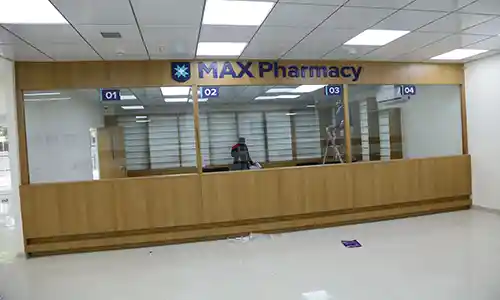
The company has supported requirements associated with organizations including DLF, MAX Healthcare, Delhivery, Larsen & Toubro, Tata Power Solar, Reliance Industries Limited, Toshiba, Air India Express, and Noida International Airport across different project environments.
Common Buyer Questions Before Purchase
1. Can a container cafe be relocated later?
Yes, many modular cafe structures are planned with future relocation considerations. However, relocation feasibility depends on structural modifications, utility integration complexity, and transportation access conditions.
2. Is a container cafe suitable for permanent commercial operation?
It can be used for both temporary and long-duration operations depending on site conditions, business type, and structural planning approach.
3. How much customization is practically possible?
Customization scope usually includes layout planning, service windows, branding, utility integration, facade treatment, and interior commercial arrangements. The extent depends on operational feasibility.
4. Can the cafe include seating arrangements?
Yes. Seating concepts may be integrated externally, semi-covered, rooftop-based, or attached modularly depending on site availability and customer movement planning.
5. What utility connections are typically required?
Most cafe operations require electrical supply, water connection, drainage routing, ventilation planning, and equipment-specific load consideration before deployment.
6. Is this suitable for urgent commercial activation?
Many businesses choose modular cafe infrastructure specifically for faster deployment compared to conventional construction. However, customization scope and site readiness still influence execution timelines.
Get Container Cafe for Your Project
Businesses planning modular cafe infrastructure often face time-sensitive commercial activation requirements, changing deployment conditions, or evolving customer-facing layout needs. Early planning around structure design, utilities, transportation access, and operational workflow helps reduce later-stage execution issues.
UNO Structures manufactures customized container cafe solutions from Greater Noida with pan India project supply capability for commercial, hospitality, infrastructure, tourism, and event-based requirements.
For project discussions, layout planning, deployment consultation, or commercial customization support, connect through the official Contact Page.