
Temporary Shelter
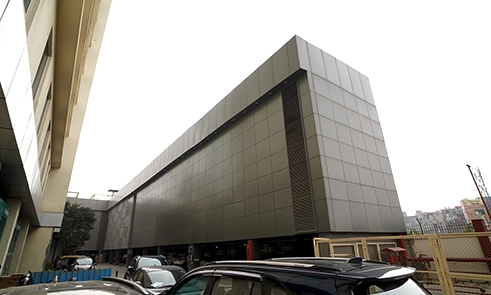
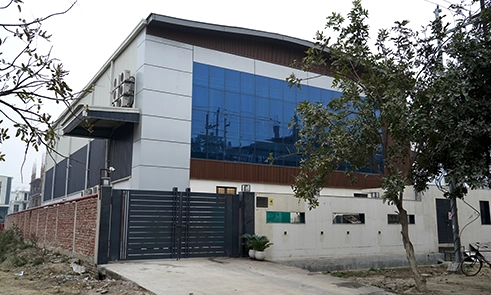
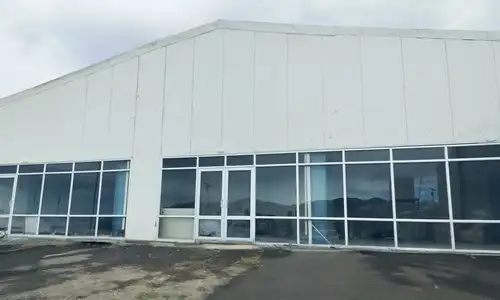
A Temporary shelter is a rapidly deployable accommodation or utility structure designed for short-term occupancy, emergency infrastructure, workforce housing, and project-based site operations. These shelters are commonly used where fast installation, mobility, operational continuity, and adaptable infrastructure become critical due to project timelines, remote site conditions, or emergency response requirements.
Delays in accommodation setup can directly impact construction schedules, workforce management, disaster-response coordination, and remote industrial operations. In many project environments, permanent infrastructure is either impractical, time-consuming, or economically unsuitable during early-stage execution or temporary operational phases.
UNO Structures, a Greater Noida-based infrastructure manufacturer, supplies customized temporary shelter solutions across India for construction companies, EPC contractors, industrial operators, infrastructure developers, and institutional projects. The company supports modular shelter deployment for workforce accommodation, temporary site offices, emergency occupancy, portable utility setups, and container-based shelter requirements depending on operational needs.
With experience across industrial infrastructure, containerized systems, prefabricated structures, and project-oriented execution support, UNO Structures develops shelter systems designed around actual deployment realities such as transportation access, terrain conditions, occupancy load, climatic exposure, and utility integration requirements.
Businesses planning fast-moving projects, remote-location execution, or temporary operational infrastructure often explore customized shelter systems through UNO Structures to reduce setup dependency and accelerate site readiness.
What is Temporary Shelter
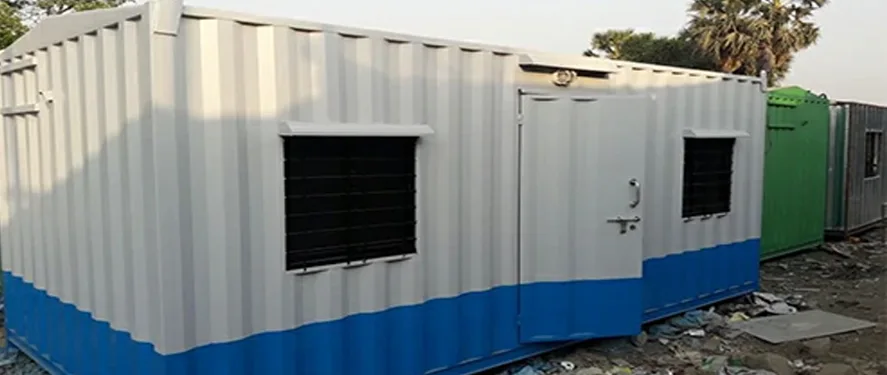
Temporary shelter refers to a movable or semi-permanent infrastructure system developed for short-duration occupancy, operational support, emergency accommodation, or project-based usage. These structures are commonly designed using modular, prefabricated, or container-based construction methods to enable faster transportation, installation, relocation, and dismantling compared to permanent civil structures.
Unlike conventional construction, temporary shelter systems prioritize deployment efficiency, portability, and operational functionality. Depending on project requirements, shelters may include sleeping areas, utility sections, sanitation support, storage zones, medical support spaces, security cabins, or administrative sections.
In industrial and infrastructure projects, these shelters are often selected when:
- Site conditions change frequently
- Project durations are temporary
- Workforce accommodation must be installed quickly
- Remote terrain limits civil construction
- Emergency infrastructure is required urgently
- Operational continuity depends on rapid setup
The structure configuration may vary from compact portable units to large multi-unit shelter clusters integrated with electrical systems, HVAC provisions, plumbing arrangements, insulation layers, and utility connectivity.
Portable Temporary Shelter for Project-Based Operations
Project-driven industries frequently require infrastructure before permanent facilities become operational. Portable temporary shelter systems help bridge that gap during mobilization, execution, maintenance shutdowns, and remote infrastructure development.
Construction Site Accommodation
Large construction sites often require temporary living arrangements for engineers, supervisors, contractors, and labor teams. Portable shelters reduce dependency on nearby rental infrastructure while helping maintain workforce proximity to project locations.
Remote Industrial Deployment
Mining zones, highway projects, transmission corridors, energy installations, and infrastructure projects in isolated regions may require accommodation where conventional construction access is limited.
Emergency Occupancy Requirements
Flood response, medical support camps, temporary command centers, and rehabilitation setups often need rapidly deployable shelter systems capable of operational use within short timelines.
Event and Seasonal Installations
Temporary shelters are also used during exhibitions, large gatherings, temporary commercial activities, religious events, and seasonal operational expansions.
Modular Shelter Infrastructure for Fast Deployment
Modular shelter systems are increasingly preferred where installation speed directly affects project execution timelines.
A modular deployment approach allows sections to be fabricated off-site and assembled with reduced on-site construction dependency. This becomes especially useful in environments where:
- Civil work permissions are delayed
- Weather conditions affect construction
- Manpower availability fluctuates
- Operational deadlines are strict
- Relocation possibility remains high
Container-integrated shelter systems and prefabricated modular units also simplify future expansion requirements. Additional accommodation blocks, utility modules, washroom sections, or administrative cabins can be integrated progressively based on operational scale.
Businesses evaluating temporary infrastructure often compare shelter systems with related portable solutions available through temporary shelter infrastructure solutions depending on occupancy duration and mobility requirements.
Temporary Shelter for Workforce and Emergency Accommodation
Temporary shelter systems are commonly selected when workforce accommodation must be established before long-term site infrastructure becomes operational.
A properly planned shelter setup can support:
- Sleeping arrangements
- Dining and rest areas
- Temporary medical support
- Utility access
- Sanitation integration
- Storage requirements
- Supervisor accommodation
- Changing rooms
- Security staff deployment
For emergency-response environments, shelter layouts may also include rapid utility access points, insulated sections, portable power support compatibility, and temporary communication infrastructure.
Procurement teams usually prioritize deployment practicality over architectural complexity in such scenarios. Ease of transportation, installation speed, maintenance simplicity, and occupancy functionality often become more important than decorative construction elements.
Applications in Real Use
Temporary shelter systems are used across multiple operational environments:
- Construction workforce accommodation
- Highway and rail infrastructure projects
- Oil and gas field operations
- Disaster relief camps
- Migrant workforce housing
- Industrial shutdown projects
- Military and security support installations
- Mining and remote exploration activities
- Temporary healthcare support setups
- Event infrastructure management
- Utility infrastructure projects
- Airport and logistics expansion projects
In rapidly moving projects, temporary shelters help organizations maintain operational continuity without waiting for permanent infrastructure completion.
Industries Using This Product
Several industries rely on temporary shelter systems for operational flexibility:
EPC and Infrastructure Companies
Used for workforce accommodation, supervisory facilities, and temporary operational management during project execution.
Construction and Real Estate Projects
Helps establish on-site accommodation and support infrastructure during phased development activities.
Energy and Utility Sector
Applied in transmission projects, renewable energy installations, remote maintenance activities, and utility infrastructure expansion.
Healthcare and Emergency Support
Useful for temporary medical infrastructure, emergency camps, and mobile operational support requirements.
Logistics and Industrial Operations
Supports short-term warehousing staff accommodation, maintenance shutdown operations, and temporary operational expansion.
Design and Customization Options
Temporary shelter requirements vary significantly depending on occupancy duration, climate exposure, transportation constraints, and usage conditions.
UNO Structures supports customization across:
- Modular shelter layouts
- Insulated wall configurations
- Portable cabin integration
- Container-based shelter units
- Ventilation arrangements
- Utility connection provisions
- Bunk accommodation layouts
- Washroom attachment options
- Lighting and electrical routing
- Flooring material selection
- Roofing configurations
- Mobility and lifting provisions
Shelter Configuration Planning
Buyers often underestimate the importance of internal operational flow. Occupancy comfort, circulation movement, storage allocation, and utility placement affect practical usability during long deployment periods.
Climatic Exposure Considerations
Sites located in high-temperature, high-rainfall, dusty, or remote regions may require different insulation approaches, airflow planning, or corrosion-resistant structural considerations.
Technical Considerations
Before selecting a temporary shelter solution, buyers should evaluate several operational factors:
- Expected occupancy load
- Deployment duration
- Relocation frequency
- Transportation accessibility
- Utility dependency
- Terrain conditions
- Climatic exposure
- Maintenance access
- Foundation requirements
- Sanitation integration
Temporary shelters used in hilly regions, mining zones, or remote infrastructure corridors may require additional reinforcement planning and transportation strategy evaluation.
Power availability and water connectivity also influence shelter design decisions, especially for workforce accommodation clusters or emergency-response environments.
How to Choose the Right Temporary Shelter
A suitable temporary shelter depends more on operational conditions than on appearance alone.
Choose Based on Deployment Duration
Short-duration projects may prioritize portability, while longer deployment periods may require improved insulation, utility integration, and occupancy comfort.
Evaluate Transportation Restrictions
Remote or narrow-access project sites may limit module dimensions and transportation options.
Plan for Future Expansion: Projects often grow beyond initial manpower projections. Modular expansion capability can reduce future infrastructure disruption.
Match Shelter Type to Occupancy Pattern: Temporary visitor accommodation, labor housing, medical support, and supervisory occupancy all require different layout planning approaches.
Assess Utility Requirements Early: Electrical load, plumbing dependency, HVAC planning, and water management should be considered during design stages rather than after installation.
Common Mistakes Buyers Make
Selecting Only on Initial Cost: Low-cost structures may create operational issues if insulation, structural stability, or occupancy planning are ignored.
Ignoring Site Logistics: Transportation access, crane movement, unloading space, and terrain conditions directly affect deployment practicality.
Underestimating Occupancy Growth: Many projects require additional accommodation after initial deployment. Lack of modular scalability can create operational bottlenecks later.
Overlooking Utility Planning: Poor planning around electrical routing, sanitation integration, and ventilation may increase modification costs during operational stages.
Choosing Permanent Construction for Temporary Needs: In fast-moving or uncertain projects, permanent civil structures may reduce flexibility and increase infrastructure recovery limitations.
When This Product May Not Be Suitable
Temporary shelter systems may not be ideal when:
- Permanent multi-year occupancy is required
- Heavy industrial production activities will occur inside
- Large-scale permanent real estate infrastructure is planned
- Highly specialized institutional construction standards are mandatory
- Long-term architectural aesthetics become a primary priority
In such cases, larger permanent prefabricated or conventional civil infrastructure may be more suitable.
Installation and Delivery Process
Temporary shelter deployment usually follows a phased execution approach.
Requirement Assessment: Occupancy capacity, site conditions, mobility expectations, and utility needs are evaluated first.
Design and Layout Planning: The shelter layout is prepared according to operational usage, transportation feasibility, and expansion flexibility.
Manufacturing and Customization: Structures are manufactured and configured at the Greater Noida facility depending on project requirements.
Transportation Coordination: Delivery planning considers road access, unloading conditions, and project location constraints.
Site Installation: Depending on the structure type, shelters may require leveling support, anchoring arrangements, utility connectivity, and internal fit-out coordination.
Operational Handover: Final inspection and occupancy readiness checks are completed before project usage begins.
Pricing and Cost Factors
Temporary shelter pricing depends on multiple practical factors rather than a fixed standard configuration.
Major cost considerations include:
- Shelter dimensions
- Occupancy capacity
- Insulation requirements
- Material configuration
- Internal fit-outs
- Washroom integration
- Electrical provisions
- Transportation distance
- Installation complexity
- Customization scope
- Modular expansion planning
Projects located in remote or difficult-access areas may involve additional logistics and deployment considerations.
Buyers comparing multiple infrastructure options should evaluate lifecycle usability, relocation flexibility, maintenance practicality, and deployment speed instead of comparing only initial procurement cost.
Why Businesses Choose UNO Structures
Industrial buyers often prefer working with infrastructure manufacturers capable of handling both fabrication and execution coordination rather than only supplying basic structures.
UNO Structures brings more than 16 years of infrastructure experience across prefabricated systems, portable structures, containerized solutions, and industrial project support requirements. The company has delivered over 900 projects and served more than 400 clients across multiple industrial sectors.
Organizations including DLF, MAX Healthcare, Larsen & Toubro, Delhivery, Tata Power Solar, Petronet LNG Limited, Toshiba, Reliance Industries Limited, and Noida International Airport are part of the broader client ecosystem supported through various infrastructure requirements.
The company supports project-oriented customization, manufacturing coordination, and deployment planning from its operational base in Greater Noida and New Delhi while supplying across India depending on project scope and feasibility.
Businesses evaluating operational capability, execution experience, and infrastructure expertise often review the company background through UNO Structures before finalizing temporary infrastructure vendors.
Common Buyer Questions Before Purchase
1. Can temporary shelters be relocated after installation?
Yes. Many modular and container-based shelter systems are designed for relocation depending on structural configuration, transportation feasibility, and installation method. Relocation planning should ideally be discussed during the design stage.
2. Are temporary shelters suitable for remote locations?
They are commonly used in remote project environments where permanent infrastructure is impractical or time-sensitive. Transportation access and terrain conditions must be evaluated before finalizing dimensions and module type.
3. Can shelters include washrooms and utility connections?
Customized shelters can be configured with electrical systems, plumbing provisions, washrooms, lighting, ventilation, and utility support depending on operational requirements.
4. What occupancy sizes are possible?
Occupancy planning depends on shelter dimensions, layout configuration, and intended usage. Workforce accommodation, supervisory cabins, medical support units, and temporary offices require different internal planning approaches.
5. Are insulated shelter systems available?
Insulated wall and roof configurations may be used for regions exposed to high temperatures, rainfall, or operational climatic variations depending on deployment requirements.
6. How fast can deployment happen for urgent projects?
Deployment timelines vary based on customization scope, quantity, transportation access, and project conditions. Urgent infrastructure requirements are typically planned through phased coordination.
Get Temporary Shelter for Your Project
Urgent project mobilization, workforce accommodation gaps, disaster-response infrastructure, and remote-site operational requirements often leave very little time for conventional construction planning. A properly designed temporary shelter system can help reduce infrastructure delays while improving deployment flexibility and operational continuity.
UNO Structures manufactures and supplies customized temporary shelter systems from Greater Noida with pan India project support capability for industrial, infrastructure, EPC, and emergency deployment requirements.
For project discussions, customization planning, shelter configuration guidance, or deployment consultation, businesses can connect through UNO Structures Contact Us Page.