Mild Steel Portable House
A Mild Steel Portable House is a prefabricated steel-based housing structure designed for fast installation, mobility, and ready-to-use accommodation in industrial, infrastructure, and project-driven environments. These units are commonly used where conventional construction is impractical, time-sensitive, or operationally restrictive.
When workforce accommodation delays begin affecting project execution, contractors and infrastructure teams often require a housing solution that can be transported, installed, and made operational without long civil construction cycles. That requirement becomes even more critical at remote project locations, industrial expansion sites, mining zones, EPC projects, and temporary infrastructure developments.
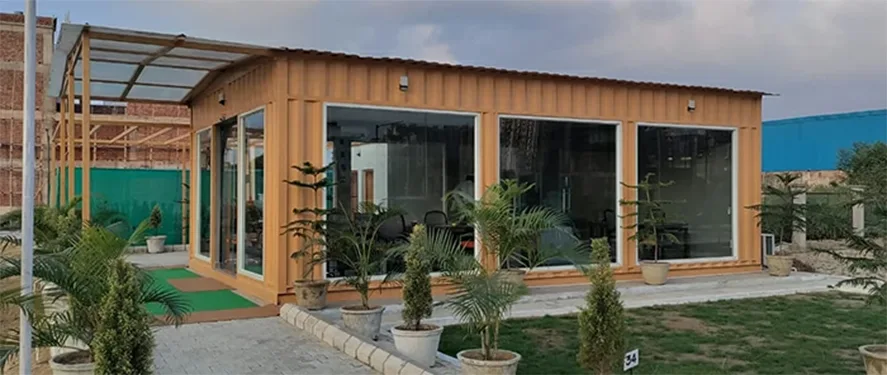
UNO Structures, a Greater Noida-based manufacturer serving projects across India, supplies customized mild steel portable housing systems built for operational practicality. The company supports modular residential deployment requirements ranging from labour accommodation and engineer housing to site-living infrastructure and temporary project residences.
Unlike conventional brick-and-mortar construction, these structures are developed for transportability, faster installation coordination, controlled fabrication quality, and flexible layout planning. Depending on operational needs, units may include sleeping areas, utility spaces, washroom integration, pantry sections, ventilation systems, electrical provisions, insulation layers, and modular expansion capability.
For organizations handling urgent project mobilization, temporary workforce deployment, or phased infrastructure expansion, portable steel housing often becomes a more execution-friendly alternative to lengthy onsite construction activity.
Businesses exploring customized portable housing infrastructure can also review related deployment solutions through UNO Structures and the dedicated Mild Steel Portable House page.
What is Mild Steel Portable House
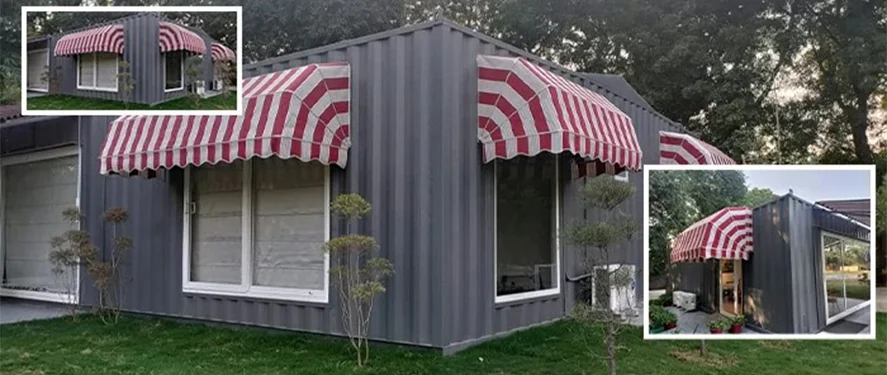
A mild steel portable house is a factory-fabricated modular housing structure manufactured using MS structural sections, steel framing systems, insulated panels, flooring systems, and utility-ready interior provisions. These units are designed for portability, rapid deployment, and repeated operational usage across temporary or semi-permanent environments.
Unlike lightweight temporary cabins intended only for short-duration use, MS portable houses are generally preferred where higher structural stability, transportation durability, and long-term operational usability are required.
These structures are commonly deployed for:
- Site accommodation
- Workforce housing
- Engineer living quarters
- Mining project camps
- Infrastructure project residences
- Industrial expansion housing
- Temporary township development
- Remote operational living units
The practical advantage lies in reduced site dependency. Most fabrication and fitment work is completed before dispatch, helping reduce onsite construction uncertainty, labour dependency, and weather-related execution delays.
Prefab Steel Housing for Fast Project Mobilization
In large infrastructure and industrial projects, accommodation readiness directly affects workforce stabilization and operational continuity. Waiting for conventional construction can delay manpower deployment, contractor mobilization, and project startup activities.
Prefab steel housing systems help reduce that gap.
Why EPC and Construction Teams Prefer Portable Steel Housing
Project teams generally select prefab MS housing when they require:
- Faster occupancy readiness
- Minimal wet civil work
- Relocation flexibility
- Easier utility planning
- Better site organization
- Expandable accommodation capacity
For remote projects in regions with limited local construction support, factory-manufactured portable houses also reduce dependency on fragmented onsite labour execution.
Operational Conditions Where Portable Housing Performs Better
These structures are frequently selected in:
- Highway and rail projects
- Oil and gas operational zones
- Renewable energy sites
- Defence-support infrastructure areas
- Industrial construction projects
- Temporary workforce colonies
- Airport and logistics developments
In many cases, portable housing is used during the active execution phase and later relocated or repurposed based on project lifecycle requirements.
Modular Portable Living Units for Industrial Usage
Portable residential infrastructure is no longer limited to basic temporary shelter. Many industrial buyers now require functional living environments capable of supporting longer-duration occupancy.
That changes design expectations significantly.
Common Residential Features Included
Depending on deployment requirements, modular living units may include:
- Insulated wall and roof systems
- Air-conditioning provisions
- Attached washrooms
- Kitchenette areas
- Electrical and lighting systems
- Ventilation arrangements
- Storage sections
- Bunk or partition layouts
Layout flexibility becomes especially important where accommodation must support different staff categories such as engineers, supervisors, workforce teams, or visiting operational personnel.
Utility Planning Matters More Than Buyers Initially Expect
One of the most overlooked factors in portable housing projects is utility integration planning. Water supply routing, drainage handling, electrical load distribution, and ventilation placement significantly affect usability after installation.
Early planning helps reduce later modifications and operational disruptions.
Portable Workforce Accommodation Solutions
For construction companies and industrial contractors, workforce accommodation is often an execution necessity rather than an infrastructure preference.
A poorly planned labour housing setup can create:
- Workforce instability
- Productivity disruption
- Safety concerns
- Operational inefficiency
- Unorganized site management
Portable mild steel housing provides a more structured alternative compared to temporary improvised accommodation systems.
Typical Workforce Accommodation Configurations
Portable housing deployments may include:
Usage Type |
Typical Setup |
|
Labour accommodation |
Shared sleeping units with washrooms |
|
Engineer accommodation |
Private modular living cabins |
|
Supervisor housing |
Semi-furnished compact units |
|
Site staff housing |
Cluster-based accommodation planning |
|
Remote project camps |
Multi-unit residential layouts |
The suitability depends on occupancy load, operational duration, environmental exposure, and available site utilities.
Applications in Real Use
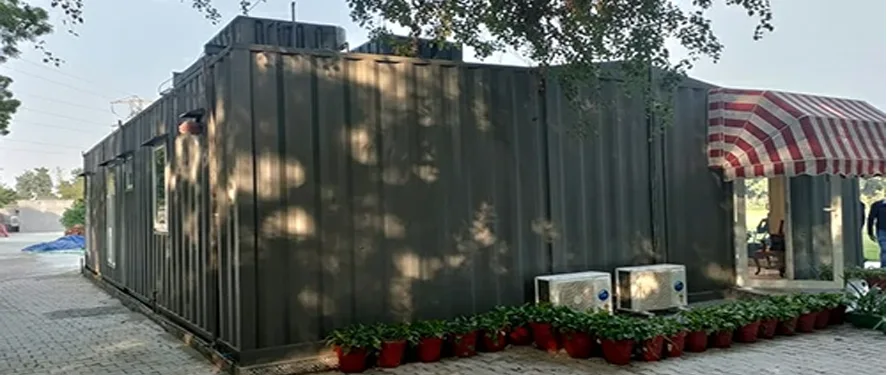
Mild steel portable houses are widely used across operationally demanding environments where permanent construction may not be immediately viable.
Common Real-World Deployment Scenarios
- Temporary workforce colonies near industrial projects
- Remote-location staff accommodation
- Highway construction living units
- Site engineer housing
- Renewable energy project camps
- Industrial shutdown support accommodation
- Mining-area residential cabins
- Temporary institutional housing
- Event-based operational living setups
In urgent mobilization scenarios, prefabricated portable housing helps project teams stabilize accommodation infrastructure much faster than conventional construction methods.
Industries Using This Product
Several sectors use modular MS housing because of deployment flexibility and structural practicality.
Frequently Served Industries
- EPC and infrastructure companies
- Construction contractors
- Industrial manufacturing projects
- Oil and gas support operations
- Renewable energy developers
- Mining and exploration projects
- Logistics infrastructure companies
- Warehousing and industrial parks
- Airport infrastructure projects
- Institutional and healthcare expansion projects
Companies managing geographically distributed operations often prefer transportable housing infrastructure to maintain operational flexibility across multiple project phases.
Design and Customization Options
No two accommodation projects operate under identical conditions. Occupancy load, climate exposure, transportation limitations, and utility access all influence portable housing design decisions.
UNO Structures supports customization planning based on practical project deployment needs.
Common Customization Parameters
Structural Configuration
- Single-unit portable homes
- Multi-room modular layouts
- Expandable housing clusters
- Stackable configurations where suitable
Interior Planning
- Sleeping arrangements
- Partition walls
- Washroom integration
- Pantry setup
- Flooring selection
- Lighting layout
Environmental Considerations
- Thermal insulation requirements
- Ventilation planning
- Weather exposure protection
- Roof treatment requirements
Operational Utility Integration
- Electrical routing
- Water connection provisions
- Drainage planning
- HVAC accommodation
Customization suitability generally depends on project duration, site accessibility, occupancy density, and operational usage patterns.
Technical Considerations
A mild steel portable house should not be evaluated only on appearance or layout size. Operational performance depends heavily on structural and environmental planning.
Important Technical Factors Buyers Should Evaluate
Transportation Constraints: Road movement limitations may affect module dimensions, loading strategy, and site accessibility planning.
Structural Stability: The housing structure should align with intended occupancy load, movement frequency, and environmental conditions.
Thermal Performance: Insulation selection becomes critical in regions with high heat exposure or fluctuating weather conditions.
Flooring Durability: Industrial usage environments often create higher wear conditions than residential applications.
Future Relocation Possibility: Some projects require portable units that may later be shifted to new locations. Buyers should assess dismantling and reinstallation considerations early.
Ignoring these technical factors often increases modification costs later.
How to Choose the Right Mild Steel Portable House
Selecting the right portable housing setup depends less on brochure specifications and more on actual operational deployment conditions.
A suitable structure should align with occupancy requirements, environmental conditions, transportation feasibility, and project duration rather than only initial budget considerations.
Questions Buyers Should Clarify Before Finalization
- How many occupants will use the structure?
- Is the requirement temporary or semi-permanent?
- Will the structure require future relocation?
- What utilities are available onsite?
- Is insulation required?
- How restricted is site access?
- What is the expected environmental exposure?
When Customization Becomes Necessary
Standard layouts may not work effectively for:
- Remote infrastructure projects
- Multi-shift workforce accommodation
- Harsh-weather deployments
- Long-duration industrial camps
- High-density occupancy usage
In such situations, customized modular planning usually delivers better operational usability.
Common Mistakes Buyers Make
Portable housing projects often encounter avoidable operational problems due to rushed procurement decisions.
Frequently Seen Buyer Errors
Prioritizing Lowest Initial Cost Only: Cheaper units may create higher maintenance or usability issues later, especially in demanding industrial conditions.
Ignoring Utility Planning: Electrical load, water supply, and drainage systems should be planned before dispatch.
Underestimating Transportation Limitations: Large modular structures may face access restrictions depending on project location.
Choosing Residential Styling Over Operational Practicality: Industrial accommodation requires durability and maintainability more than aesthetic-focused finishes.
No Future Expansion Planning: Many project sites later require accommodation scaling. Expansion flexibility should be considered early.
When This Product May Not Be Suitable
A mild steel portable house may not be the ideal solution for every project scenario.
Situations Where Other Infrastructure May Work Better
- Permanent high-rise residential developments
- Ultra-long-term residential townships
- Architecturally complex luxury housing projects
- Sites with severe transportation restrictions
- Projects requiring deep permanent civil integration
For highly permanent residential infrastructure with extensive civil requirements, conventional construction or specialized prefab systems may be more appropriate.
Installation and Delivery Process
Portable housing installation efficiency depends heavily on advance coordination.
Typical Deployment Workflow
- Requirement assessment
- Layout and customization discussion
- Fabrication planning
- Utility coordination review
- Transportation scheduling
- Site preparation readiness
- Placement and installation coordination
- Utility connection support
In urgent deployment cases, project readiness at the site significantly affects installation speed.
Site Preparation Still Matters
Even prefabricated housing requires:
- Stable ground conditions
- Access route planning
- Crane or unloading coordination where needed
- Utility readiness
- Drainage consideration
Insufficient site preparation often delays otherwise fast deployments.
Pricing and Cost Factors
Portable housing pricing varies depending on configuration complexity, customization level, structural specifications, transportation distance, and utility integration requirements.
Key Cost Influencing Factors
- Structure size
- Interior fitment level
- Insulation requirement
- Number of units
- Transportation logistics
- Utility integration scope
- Flooring and finish selection
- Site accessibility conditions
Projects involving remote delivery locations or specialized modular configurations may require additional logistical planning.
Instead of comparing only base unit pricing, buyers should evaluate total operational suitability and lifecycle practicality.
Why Businesses Choose UNO Structures
Industrial buyers generally prefer suppliers who understand project execution realities rather than only manufacturing specifications.
UNO Structures brings more than 16 years of infrastructure and prefabrication experience across industrial, EPC, commercial, and project-based environments. The company has completed over 900 projects and served 400+ clients across varied operational sectors.
The organization supports:
- Design coordination
- Manufacturing
- Customization planning
- Portable infrastructure deployment
- Project execution support
Its Greater Noida manufacturing operations support pan-India supply capability depending on project scope and feasibility.
Organizations associated with sectors such as healthcare, infrastructure, logistics, industrial manufacturing, airport development, and energy projects have worked with the company on different infrastructure requirements.
Businesses evaluating operational capability and execution background can review more about the company through the About us page.
Common Buyer Questions Before Purchase
1. Can these portable houses be relocated later?
Many portable housing units are designed with relocation practicality in mind, although relocation feasibility depends on structure size, transportation conditions, and installation methodology used during the original deployment.
2. Are these suitable for long-duration workforce accommodation?
Yes, many industrial projects use MS portable housing for extended operational occupancy when designed with suitable insulation, ventilation, utility integration, and occupancy planning.
3. How quickly can deployment begin after finalization?
Deployment timelines vary based on customization scope, project size, manufacturing load, transportation planning, and site readiness conditions.
4. Can washrooms and pantry areas be integrated?
Portable housing units can generally be configured with washrooms, pantry sections, electrical layouts, lighting systems, and utility provisions depending on project requirements.
5. Are these used only at construction sites?
No. Portable steel housing is also used in industrial plants, mining operations, infrastructure developments, institutional projects, logistics parks, and temporary operational facilities.
6. What affects the total project cost most?
Customization scope, insulation requirements, transportation distance, utility planning complexity, and interior fitment levels usually influence pricing more than the base structure alone.
Get Mild Steel Portable House for Your Project
When accommodation infrastructure becomes a project bottleneck, delayed housing readiness can directly affect workforce deployment, operational stability, and site execution timelines.
UNO Structures manufactures customized mild steel portable housing systems from Greater Noida and supports project requirements across India. Whether the requirement involves workforce accommodation, engineer housing, remote project camps, or modular living infrastructure, the company supports practical deployment planning aligned with operational site conditions.
For project discussions, customization planning, or deployment consultation, connect through the Contact Page.