Labor Colony
Construction delays often begin with one overlooked issue — inadequate workforce accommodation. When labour teams are relocated without proper shelter, sanitation access, utility planning, or organized site living arrangements, operational inefficiencies start affecting productivity, workforce retention, and project coordination.
A well-planned Labor Colony setup helps construction companies, EPC contractors, infrastructure developers, and industrial operators establish organized workforce accommodation quickly without depending on permanent civil infrastructure. UNO Structures, a Greater Noida-based manufacturer serving projects across India, provides modular labour colony solutions designed for practical deployment conditions, scalable occupancy requirements, and project-specific customization.
For companies managing large construction manpower, remote industrial deployment, infrastructure expansion, or temporary workforce camps, these modular accommodation systems support faster setup, structured living conditions, and better operational control across active project environments.
What is Labor Colony
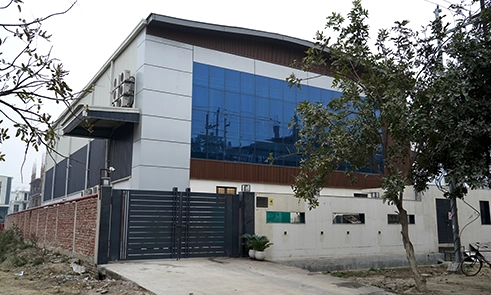
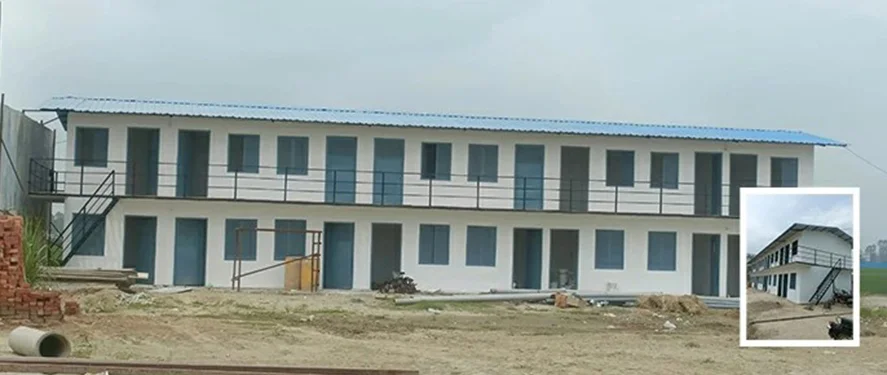
A labor colony is a modular workforce accommodation setup designed to support temporary or project-based worker housing requirements near operational sites. These setups commonly include sleeping units, washrooms, dining areas, utility spaces, site offices, sanitation blocks, and support infrastructure depending on workforce size and project duration.
Unlike conventional brick-and-mortar construction, container-based or prefab labour colony systems are developed for faster deployment, relocation flexibility, phased expansion, and operational practicality under industrial site conditions.
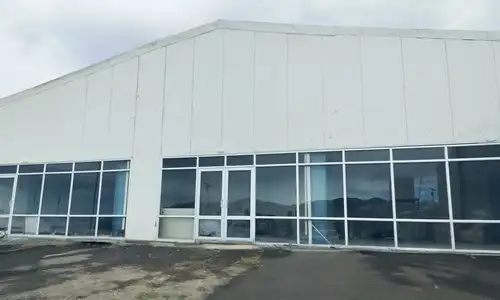
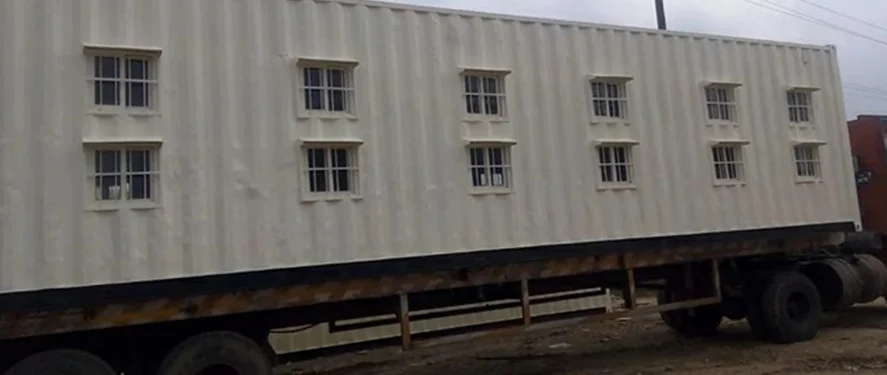
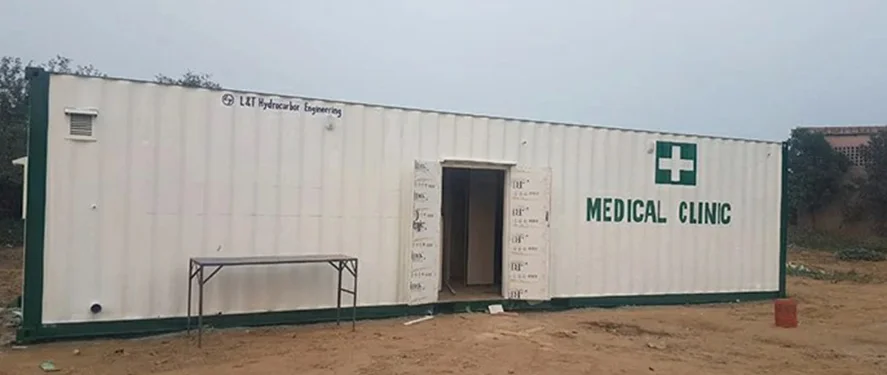
At UNO Structures, labour colony infrastructure may be configured using portable cabins, modified containers, prefab structural systems, and utility-integrated modular units based on occupancy requirements, terrain conditions, transportation feasibility, and project timelines.
Modular Workforce Accommodation for Construction Projects
Construction projects rarely maintain fixed workforce numbers throughout execution phases. Labour strength may increase rapidly during structural, civil, finishing, or infrastructure-intensive stages. This creates pressure on accommodation planning.
Modular labour colonies help project teams respond without major civil dependency.
Practical Advantages in Construction Deployment
- Faster site readiness compared to traditional housing construction
- Easier expansion during manpower escalation
- Reduced dependency on permanent infrastructure
- Better accommodation organization near active work zones
- Controlled allocation for contractor teams and labour categories
- Simplified utility routing and maintenance access
For highway, industrial, warehouse, airport, hospital, and commercial projects, modular workforce accommodation helps reduce logistical complications associated with distant worker settlements.
Portable Labour Colony Infrastructure for Remote Sites
Some project environments create additional accommodation challenges:
- Remote terrain
- Mining zones
- Industrial corridors
- Border infrastructure projects
- Temporary EPC deployment zones
- Energy and utility installations
In these locations, permanent civil development may not be operationally practical during early execution stages.
Portable labour colony systems are commonly preferred because they can be transported, assembled, expanded, and reorganized according to project movement and workforce rotation requirements.
Utility Integration Considerations
A functional labour colony setup usually requires coordinated planning for:
- Electrical distribution
- Water storage
- Drainage management
- Ventilation
- Sanitation access
- Internal movement pathways
- Waste disposal
- Lighting for night operations
Poor utility planning often creates long-term operational disruption even when accommodation structures appear adequate initially.
Container-Based Labour Housing Systems
Container-based labour housing is widely used where deployment speed and structural mobility become important operational priorities.
These systems may include:
- Worker sleeping cabins
- Dining units
- Supervisor accommodation
- Site administration cabins
- Portable toilets
- Bathing units
- Storage areas
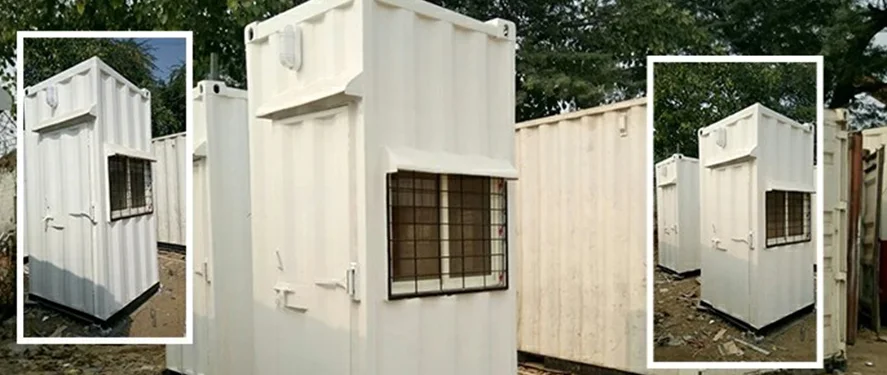
- Security cabins
The advantage is not only portability. Container-based systems also help maintain organized infrastructure layouts in high-activity project environments.
When Container Labour Colonies Work Best
Containerized workforce accommodation is commonly suitable for:
- EPC project execution
- Metro and rail projects
- Industrial plant expansion
- Renewable energy installations
- Warehousing projects
- Temporary industrial shutdown support
- Airport infrastructure works
- Highway corridor construction
Projects with phased workforce movement particularly benefit from modular relocation flexibility.
Applications in Real Use
A labour colony setup is not only about worker housing. It becomes an operational support ecosystem for project continuity.
Common Real-World Usage Scenarios
Infrastructure Construction Sites: Used for housing civil labour, fabrication teams, equipment operators, and contractor manpower near active execution zones.
Industrial Shutdown Projects: Temporary accommodation supports workforce concentration during maintenance or turnaround activities.
Remote EPC Projects: Useful where nearby residential infrastructure is limited or unavailable.
Warehousing and Logistics Expansion: Supports temporary workforce during accelerated construction timelines.
Government and Institutional Projects: Labour camps help maintain organized worker accommodation near high-volume infrastructure projects.
A properly planned labour colony can reduce daily transportation dependency, improve workforce attendance consistency, and help streamline project coordination activities.
Industries Using This Product
Several sectors require scalable workforce accommodation depending on project duration and deployment conditions.
Frequently Associated Industries
- Construction and civil infrastructure
- EPC contracting
- Warehousing and logistics
- Renewable energy
- Oil and gas support infrastructure
- Transportation infrastructure
- Industrial manufacturing expansion
- Mining and remote operations
- Institutional development projects
UNO Structures has supported multiple industrial and infrastructure-oriented requirements through modular construction and portable infrastructure solutions backed by over 15 years of industry experience and more than 900 completed projects.
Design and Customization Options
Every labour colony project differs in manpower structure, site constraints, and operational expectations. Standardized layouts rarely work effectively across all project environments.
Customization Areas Commonly Considered
Occupancy Planning
- Single occupancy
- Shared accommodation
- Bunk bed configurations
- Contractor-specific zoning
Utility Integration
- Attached washrooms
- Centralized sanitation blocks
- Water supply routing
- Power distribution layouts
Environmental Considerations
- Heat management
- Ventilation strategy
- Rain exposure conditions
- Dust-prone industrial locations
Operational Layout
- Internal pathways
- Dining access
- Segregated utility areas
- Emergency movement planning
Projects operating in high-temperature or heavy rainfall environments usually require additional planning around insulation, drainage, and ventilation performance.
For related modular infrastructure requirements, buyers also explore container-based workforce setups through the dedicated labour colony section on UNO Structures.
Technical Considerations
Buyers often focus heavily on accommodation quantity while underestimating technical planning factors that affect long-term usability.
Important Technical Factors
Structural Suitability: The structure should align with intended deployment duration, relocation frequency, and environmental exposure.
Transportation Constraints: Road accessibility, crane access, and unloading conditions impact module sizing decisions.
Foundation Conditions: Ground stability affects installation planning, especially during monsoon conditions or soft soil deployment.
Occupancy Density: Improper occupancy planning can create ventilation and sanitation pressure during peak workforce periods.
Utility Load Management: Electrical demand increases significantly when accommodation includes cooling systems, kitchens, lighting, and operational equipment.
Projects with poor early-stage planning often face higher operational correction costs later.
How to Choose the Right Labor Colony
Selecting the right labour colony depends more on operational realities than structure size alone.
A suitable setup should align with workforce movement patterns, site duration, environmental exposure, and utility dependency rather than only initial budget considerations.
Key Evaluation Factors
Workforce Size Variability: Can the setup expand later if manpower increases?
Deployment Urgency: Does the project require immediate accommodation readiness?
Relocation Probability: Will the infrastructure move to another site after project completion?
Utility Availability: Is the site connected to stable power and water infrastructure?
Project Duration: Short-term and multi-year deployments often require different configuration approaches.
Contractors planning long-duration projects usually evaluate lifecycle practicality rather than only initial installation cost.
Common Mistakes Buyers Make
Underestimating Sanitation Capacity: Accommodation may appear sufficient initially but become operationally difficult during peak occupancy periods.
Ignoring Drainage Planning: Poor water management creates hygiene and maintenance complications during rainy seasons.
Choosing Improper Layout Density: Excessively compact layouts affect ventilation, movement efficiency, and workforce comfort.
Overlooking Future Expansion: Some projects require additional workforce accommodation midway through execution.
Treating Labour Accommodation as Temporary Only: Even short-duration projects may operate for extended periods due to execution changes or approval delays.
These planning gaps frequently lead to additional restructuring costs later.
When This Product May Not Be Suitable
Labour colony infrastructure may not be the ideal solution in every scenario.
Situations Where Alternative Approaches May Be Better
- Very small workforce requirements
- Permanent township development projects
- Ultra-long-term residential planning
- Sites with severe transportation restrictions
- Environments with highly limited utility feasibility
For projects requiring permanent civil housing infrastructure, traditional construction may offer better long-term suitability.
Installation and Delivery Process
Deployment sequencing directly affects how quickly workforce operations become functional on-site.
Typical Project Workflow
Requirement Discussion: Occupancy planning, utility requirements, and site conditions are evaluated.
Layout and Configuration Planning: Modules are planned according to workforce flow, accessibility, and operational zoning.
Manufacturing and Customization: Structures are fabricated and configured based on approved project requirements.
Transportation Coordination: Logistics planning depends on site access and deployment sequence.
On-Site Installation Support: Placement, utility integration, and operational alignment are coordinated during deployment.
For urgent infrastructure mobilization, phased deployment strategies are often preferred to enable early workforce movement while additional units are prepared.
Pricing and Cost Factors
Labour colony pricing varies significantly depending on project scope and customization requirements.
Factors That Influence Cost
- Occupancy capacity
- Structure type
- Utility integration
- Washroom configuration
- Insulation requirements
- Site accessibility
- Transportation distance
- Deployment complexity
- Custom fabrication scope
Projects requiring integrated sanitation, electrical systems, dining facilities, or higher durability specifications generally involve broader infrastructure planning beyond basic accommodation units.
Why Businesses Choose UNO Structures
Industrial buyers often evaluate workforce accommodation vendors based on execution practicality rather than catalog appearance alone.
UNO Structures supports modular infrastructure and container-based deployment requirements through its manufacturing operations in Greater Noida and project coordination capabilities across India.
The company has worked with organizations including DLF, MAX Healthcare, Larsen & Toubro, Tata Power Solar, Delhivery, Toshiba, Afcons Infrastructure Limited, Reliance Industries Limited, Samsung Electronics, and Noida International Airport across various infrastructure and industrial requirements.
With more than 15 years of industry experience and extensive exposure to industrial deployment environments, the company focuses on execution-oriented modular infrastructure solutions aligned with practical project conditions.
Businesses evaluating broader infrastructure capability can also explore the company profile through the About UNO Structures section.
Common Buyer Questions Before Purchase
1. How quickly can a labour colony be deployed?
Deployment timelines depend on project scale, customization level, transportation access, and installation conditions. Modular systems are generally preferred where faster workforce accommodation readiness is required compared to conventional construction approaches.
2. Can the colony be expanded later?
Yes. Many modular labour colony setups are planned with phased scalability in mind. Additional accommodation, sanitation, dining, or administrative units may be integrated later depending on workforce expansion.
3. Are utility-ready solutions available?
Projects may include electrical layouts, water systems, sanitation integration, ventilation planning, and utility routing based on operational requirements and site feasibility.
4. Is container-based accommodation suitable for long-duration projects?
It can be suitable depending on structural configuration, insulation requirements, maintenance planning, and environmental conditions. Long-duration deployments usually require more detailed planning around occupancy comfort and operational durability.
5. Can these systems be relocated after project completion?
Portable and modular structures are commonly selected because relocation remains operationally feasible after project closure or workforce movement.
6. What information should buyers prepare before enquiry?
Workforce size, site location, deployment urgency, utility availability, expected project duration, and accommodation expectations help streamline planning discussions.
Get Labor Colony for Your Project
If your project requires rapid workforce accommodation, scalable labour housing infrastructure, or modular site living arrangements, UNO Structures can support planning, customization, manufacturing, and deployment coordination based on actual operational requirements.
From Greater Noida manufacturing operations to pan India project supply capability, the company supports infrastructure, construction, industrial, and EPC deployment requirements with practical execution-focused modular solutions.
Urgent mobilization requirements, phased deployment needs, and large workforce accommodation planning can be discussed based on project conditions and operational timelines.
Explore project coordination and enquiry support through the Contact UNO Structures page.