Shipping Cargo
Industrial cargo movement failures rarely happen because of transportation alone. In many projects, delays begin with poorly configured containers, weak structural handling during loading cycles, exposure to weather during transit, or unsuitable container modifications for the material being transported. Shipping cargo containers are expected to withstand movement stress, loading pressure, operational handling, and long-distance deployment without disrupting logistics continuity.
Shipping cargo solutions from UNO Structures are designed for industrial transportation, freight movement, secure goods handling, export-import logistics support, and containerized cargo applications across India. Manufactured in Greater Noida with pan India deployment capability, these containers support commercial logistics workflows, warehousing movement requirements, EPC project supply chains, and industrial cargo operations requiring durable transportation infrastructure. Businesses evaluating container-based freight solutions can also explore the main platform through UNO Structures for related infrastructure capabilities.
What is Shipping Cargo
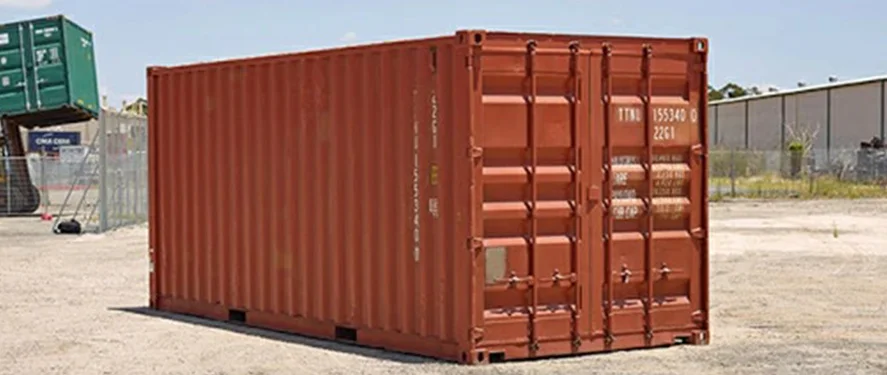
Shipping cargo refers to industrial-grade containerized transportation solutions used for moving goods, machinery, equipment, raw materials, project supplies, and commercial freight across short- and long-distance logistics routes. These containers are used in export-import operations, warehousing movement systems, construction supply chains, industrial transportation, and multimodal freight handling.
Unlike standard storage units, cargo shipping containers must handle repeated loading cycles, transportation vibration, weather exposure, stacking pressure, and operational movement across ports, highways, warehouses, and industrial project sites. The container selection process often depends on cargo type, movement frequency, loading methodology, and environmental exposure conditions.
UNO Structures supports customized shipping cargo container requirements for industrial buyers requiring structurally durable and deployment-oriented freight movement solutions.
Shipping Cargo Containers for Industrial Transportation
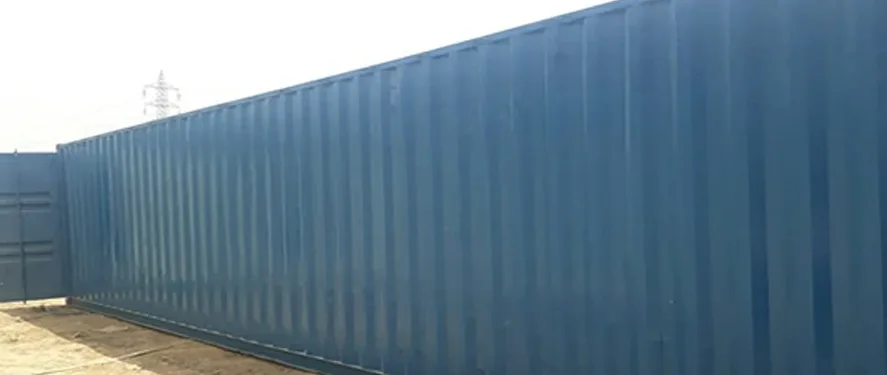
Industrial transportation environments demand different container specifications compared to static storage applications. Transportation containers experience continuous operational stress caused by movement, crane handling, forklift loading, route vibration, and climate variation.
For many procurement teams, the challenge is not just obtaining a container — it is selecting a configuration that aligns with operational workflow.
Operational Factors That Affect Cargo Performance
Cargo Weight Distribution: Uneven loading patterns can impact container stability during transportation. Heavy machinery, fabrication material, industrial components, and packaged goods require suitable internal distribution planning.
Environmental Exposure: Containers operating in coastal regions, open project sites, industrial yards, or monsoon-prone areas may require additional protection planning depending on operational conditions.
Repeated Handling Cycles: Containers used in logistics chains with high movement frequency require stronger handling compatibility due to continuous loading and unloading operations.
Route and Deployment Conditions: Long highway routes, infrastructure corridors, industrial transportation zones, and export logistics environments often influence container specification requirements.
Customized Shipping Cargo Solutions
Not all shipping cargo operations use standard freight movement systems. Some projects require modified container configurations depending on loading methodology, cargo dimensions, access requirements, or workflow integration.
UNO Structures supports customization planning for operationally specific cargo applications.
Common Customization Possibilities
- Side-opening access configurations
- Modified loading accessibility
- Reinforced structural support areas
- Ventilation planning for sensitive cargo
- Partition-based cargo organization
- Equipment movement compatibility
- Industrial locking systems
- Handling support modifications
Customization suitability generally depends on the intended freight application, transportation environment, and operational workflow requirements.
Businesses handling specialized cargo movement can also evaluate related deployment capabilities through the dedicated shipping cargo container solutions
Cargo Containers for Warehousing and Logistics Support
In many logistics operations, containers function beyond transportation alone. They often become temporary warehousing extensions, transit holding units, project-site logistics buffers, or distribution-stage storage infrastructure.
This becomes particularly relevant during:
- EPC material movement
- Infrastructure project mobilization
- Manufacturing dispatch overflow
- Export shipment staging
- Seasonal inventory handling
- Multi-location industrial distribution
For operational continuity, buyers often prefer container systems that support both transportation and temporary holding requirements without requiring separate infrastructure deployment.
Applications in Real Use
Shipping cargo containers are widely used across industrial and commercial movement operations where structural durability and secure transportation become operational priorities.
Typical Deployment Scenarios
Industrial Equipment Transportation: Factories and project contractors frequently use cargo containers for transporting machinery parts, fabrication material, electrical systems, and industrial assemblies.
Construction and EPC Supply Chains: Large construction and infrastructure projects require organized movement of tools, project material, consumables, and operational equipment across multiple deployment zones.
Export-Import Logistics: Freight forwarding operations and export-oriented businesses use cargo containers for standardized shipping movement and handling compatibility.
Warehouse-to-Distribution Transportation: Distribution operations often depend on containerized freight movement between warehousing hubs, industrial parks, and regional logistics points.
Temporary Logistics Buffer Storage: In high-volume operations, containers are used as intermediate cargo holding infrastructure during dispatch scheduling or supply chain coordination.
Industries Using This Product
Shipping cargo containers support multiple industrial sectors where freight reliability and movement durability are operationally important.
Common Industry Segments
- Infrastructure and EPC companies
- Warehousing and logistics operators
- Manufacturing facilities
- Export-oriented businesses
- Construction contractors
- Energy and utility projects
- Industrial procurement operations
- Retail supply chain operators
- Airport and aviation support projects
- Heavy engineering companies
Organizations associated with large-scale industrial execution such as Delhivery, Larsen & Toubro, Tata Power Solar, Air India Express, Reliance Industries Limited, and thyssenkrupp are among the varied industrial ecosystems served by UNO Structures across infrastructure and operational requirements.
Design and Customization Options
Container configuration decisions often depend on operational movement patterns rather than appearance alone.
Structural Considerations
- Cargo loading methodology
- Forklift accessibility
- Crane lifting compatibility
- Door placement requirements
- Stacking suitability
- Internal movement space
- Floor strength considerations
- Environmental exposure handling
Deployment-Specific Planning
Some buyers prioritize high-frequency movement capability, while others focus more on secure long-duration transportation or multi-stage logistics handling.
The right specification generally depends on:
- Cargo dimensions
- Route conditions
- Loading frequency
- Material sensitivity
- Handling equipment availability
- Deployment duration
Technical Considerations
Buyers evaluating shipping cargo solutions should review operational compatibility beyond basic container dimensions.
Loading and Handling Compatibility: Improper compatibility between cargo handling systems and container design can slow operations during dispatch or unloading stages.
Transportation Exposure: Highway vibration, weather exposure, stacking loads, and repeated transit movement influence long-term operational suitability.
Site Accessibility: Some deployment zones may restrict crane access or large vehicle movement, affecting loading and placement decisions.
Maintenance Planning: Containers operating in high-moisture or high-dust environments may require periodic inspection and maintenance depending on operational usage intensity.
Shipping cargo containers should be selected with actual deployment conditions in mind rather than only standard dimensional requirements.
How to Choose the Right Shipping Cargo
The correct container choice depends heavily on cargo type, handling workflow, transportation frequency, and operational environment.
Buyers Should Evaluate
Cargo Nature: Heavy machinery transportation requirements differ significantly from packaged commercial freight.
Movement Frequency: Frequent movement operations generally require stronger handling durability and operational accessibility.
Customization Requirement: Standard containers may not support specialized loading systems or equipment integration requirements.
Deployment Environment: Port operations, industrial corridors, warehouse zones, and remote infrastructure projects often require different configuration priorities.
Future Operational Scalability: Some businesses plan for future expansion in cargo movement capacity, making modular operational flexibility important during procurement.
Common Mistakes Buyers Make
Choosing Only on Initial Cost: Lower-cost containers may create operational issues if they are not aligned with handling frequency or transportation conditions.
Ignoring Loading Workflow: Poor loading access planning can slow dispatch operations and increase handling inefficiency.
Underestimating Environmental Exposure: Outdoor deployment conditions, moisture exposure, and long-route transportation can impact long-term container performance.
Selecting Generic Configurations: Industrial operations often require workflow-specific customization rather than standard one-size-fits-all solutions.
Overlooking Movement Equipment Compatibility: Containers should align with the available loading equipment, crane systems, and transport infrastructure.
When This Product May Not Be Suitable
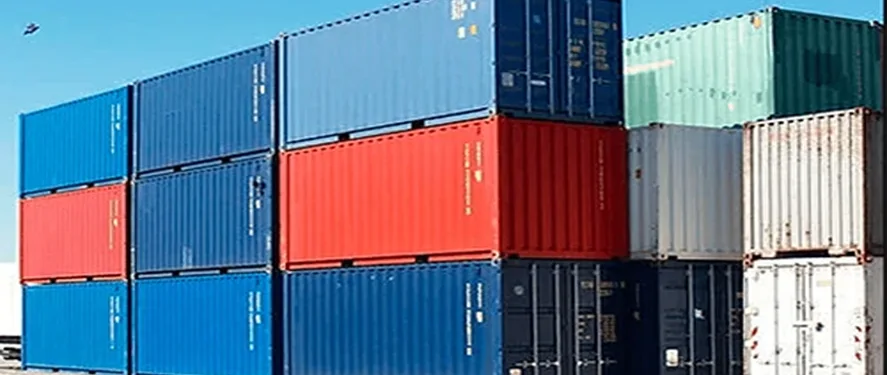
Shipping cargo containers may not always be the ideal solution for every operational requirement.
Situations Where Alternatives May Be Better
- Permanent civil warehouse infrastructure requirements
- Extremely temperature-sensitive freight requiring specialized cold-chain systems
- Lightweight temporary packaging movement with minimal handling risk
- Ultra-short-duration local movement without containerization need
- Specialized hazardous material movement requiring dedicated regulatory systems
Operational suitability should always be evaluated based on actual cargo workflow and transportation conditions.
Installation and Delivery Process
Cargo container deployment generally involves operational coordination rather than simple product dispatch.
Typical Workflow
- Requirement discussion and usage evaluation
- Cargo movement assessment
- Customization planning if required
- Manufacturing and structural preparation
- Transportation coordination
- Delivery scheduling
- Operational placement support
UNO Structures supports pan India supply coordination depending on project scope, deployment location, and operational feasibility.
Pricing and Cost Factors
Shipping cargo container pricing varies depending on operational specifications and deployment requirements.
Factors That Commonly Influence Cost
- Container dimensions
- Structural reinforcement requirements
- Customization complexity
- Transportation distance
- Loading configuration
- Specialized handling modifications
- Deployment urgency
- Quantity requirements
Large industrial projects often evaluate lifecycle operational suitability instead of focusing only on upfront procurement cost.
Why Businesses Choose UNO Structures
Industrial buyers typically prioritize operational reliability, execution support, and practical deployment understanding when selecting cargo infrastructure partners.
UNO Structures brings more than 16 years of industry experience across containerized infrastructure, PEB structures, prefabricated systems, logistics-oriented deployment solutions, and industrial project support. With over 900 completed projects and 400+ clients served, the company supports practical infrastructure execution requirements across multiple sectors.
The organization operates from New Delhi with manufacturing support in Greater Noida and supplies projects across India based on operational feasibility and deployment scope.
Buyers evaluating company background, execution capability, and infrastructure expertise can review the detailed company profile and project background for additional operational context.
Common Buyer Questions Before Purchase
1. Can shipping cargo containers be modified for specialized freight handling?
Yes. Depending on operational requirements, containers can be customized for loading accessibility, structural reinforcement, internal partitioning, and workflow-specific handling support.
2. Are these containers suitable for long-distance industrial transportation?
They are commonly used for industrial logistics and transportation workflows where structural durability and operational handling reliability are important considerations.
3. Can cargo containers also be used for temporary warehousing?
Many businesses use cargo containers for both transportation and temporary holding applications during dispatch coordination or project mobilization phases.
4. What should buyers finalize before placing an order?
Cargo dimensions, movement frequency, transportation environment, loading method, customization requirements, and deployment location should ideally be discussed early in the planning process.
Get Shipping Cargo for Your Project
Industrial cargo movement problems usually become expensive only after deployment begins. Incorrect container selection, weak handling compatibility, or unsuitable freight configuration can disrupt transportation schedules, warehousing operations, and project execution timelines.
UNO Structures supports customized shipping cargo container requirements from its Greater Noida manufacturing operations with pan India supply capability for industrial logistics, transportation, export-import movement, and project cargo handling applications.
Discuss your operational requirement, cargo workflow, customization need, and deployment scope with the team before finalizing specifications.
Explore project discussions and deployment coordination through the official contact us page