Security Cabin
Project delays often begin with uncontrolled site movement, unmanaged vehicle entry, or temporary security arrangements that fail under real working conditions. For construction companies, EPC contractors, warehouses, airports, industrial plants, and infrastructure sites, a properly designed security cabin becomes part of operational control — not just a small structure placed near a gate.
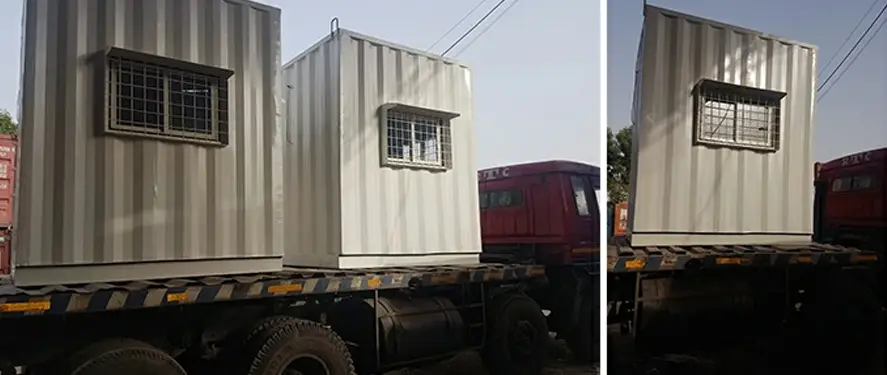
A security cabin is a portable or modular guard infrastructure unit designed for entry monitoring, surveillance coordination, visitor verification, parking management, and industrial checkpoint operations. These cabins are commonly used where quick installation, mobility, weather resistance, and practical operational visibility are important for day-to-day site management.
UNO Structures manufactures customized security cabins from its Greater Noida manufacturing operations and supports pan-India deployment requirements for industrial, commercial, infrastructure, and project-based applications. The company provides modular configurations suitable for permanent and temporary security infrastructure depending on project scope, operational conditions, and site movement requirements.
What is Security Cabin
A security cabin is a prefabricated portable structure used for guard deployment, gate supervision, visitor handling, material movement monitoring, and controlled access operations. These units are commonly positioned at factory gates, construction entrances, logistics yards, residential complexes, toll points, parking zones, and temporary project sites where on-ground security coordination is required.
Unlike conventional masonry guard rooms, portable security cabins can be relocated, modified, expanded, or repositioned according to changing operational layouts. This flexibility becomes especially useful in active project environments where access routes, workforce movement, and equipment circulation continue evolving during execution phases.
Depending on operational requirements, cabins may include:
- Glass visibility panels
- Electrical integration
- Lighting provisions
- Sliding windows
- Monitoring desk arrangements
- Air-conditioning provisions
- Communication wiring
- Insulated wall systems
- Elevated flooring
- Storage space for documentation and equipment
For buyers evaluating temporary versus long-term deployment infrastructure, portable security units often reduce site disruption and simplify installation planning.
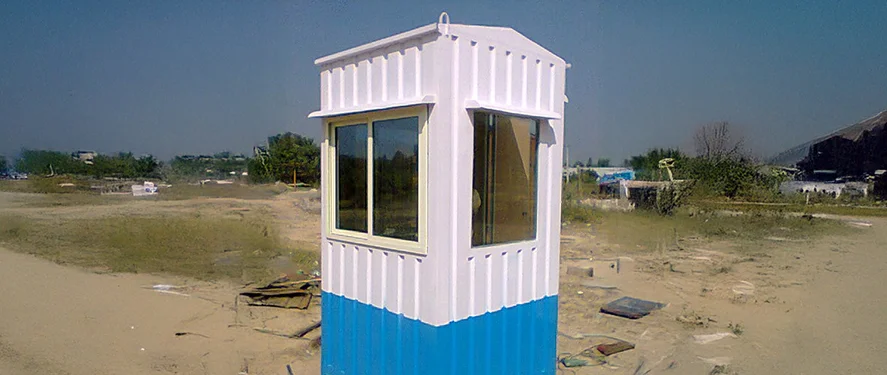
Portable Security Cabin for Industrial and Construction Sites
Industrial security requirements differ significantly from residential guard cabins. Construction sites, EPC projects, logistics hubs, and manufacturing facilities typically face:
- Dust-heavy operating environments
- Frequent vehicle movement
- Temporary utility connections
- Uneven ground conditions
- Relocation requirements during project phases
- Exposure to heat, rain, and outdoor operations
A portable security cabin helps address these operational realities without requiring extensive civil construction.
In active project sites, security teams often need direct visual control over:
- Material inward and outward movement
- Workforce attendance
- Visitor access
- Vendor vehicle entry
- Night-shift surveillance
- Equipment dispatch
This is why cabin placement, visibility angle, window positioning, and movement circulation become practical buying considerations — not just aesthetic decisions.
For infrastructure contractors managing fast-moving projects, modular deployment can support quicker operational readiness compared to conventional permanent guard room construction.
Modular Security Cabin Configurations
Different projects require different cabin formats. A warehouse checkpoint setup may need documentation counters and barrier visibility, while a refinery or infrastructure site may prioritize elevated visibility and weather protection.
Common configuration options include:
Single Guard Cabins
Suitable for:
- Parking management
- Residential entry points
- Small industrial access gates
- Toll verification points
Double Operator Cabins
Used where:
- Shift overlap exists
- Visitor verification is frequent
- Multiple gate controls are required
Container-Based Security Units
Preferred for:
- Large industrial sites
- Long-duration project deployment
- Remote operational locations
- Heavy outdoor exposure environments
Portable Watchman Cabins
Often selected for:
- Temporary project security
- Labour colony supervision
- Construction site entry management
- Mobile surveillance requirements
Many buyers also evaluate future relocation requirements before finalizing cabin dimensions and structural configuration.

Prefab Security Cabin for Fast Deployment Requirements
When project mobilization timelines are tight, buyers usually look for infrastructure that can become operational quickly without waiting for extended civil work execution.
A prefab security cabin supports this requirement by reducing on-site construction dependency. Units can be manufactured off-site and prepared for transportation based on project specifications.
A typical deployment workflow may include:
- Requirement discussion
- Layout finalization
- Structural fabrication
- Interior utility planning
- Transportation coordination
- Placement and installation support
This becomes useful in:
- Highway projects
- Airport expansion zones
- Temporary industrial facilities
- Mining and remote-location projects
- Infrastructure packages requiring phased execution
In urgent deployment situations, portability and reduced installation dependency often become more important than decorative architectural finishes.
Applications in Real Use
Security cabins are used across multiple operational environments where movement control, monitoring visibility, and entry supervision are necessary.
Common deployment scenarios include:
- Factory gate security
- Construction project entry management
- Warehousing access control
- Parking management checkpoints
- Toll and ticket verification booths
- Mining site monitoring
- Labour camp supervision
- Airport perimeter operations
- Infrastructure corridor projects
- Logistics yard surveillance
- Equipment dispatch checkpoints
For large sites, security cabins may also work alongside office containers, workforce accommodation units, and containerized operational infrastructure.
Industries Using This Product
Industries commonly using modular security cabins include:
- Construction and EPC
- Warehousing and logistics
- Manufacturing
- Airports and aviation support
- Infrastructure development
- Power and utility projects
- Real estate development
- Oil and gas support operations
- Mining and remote-location projects
- Institutional campuses
Industrial buyers often prioritize durability, relocation flexibility, and ease of operational setup over purely cosmetic finishes.
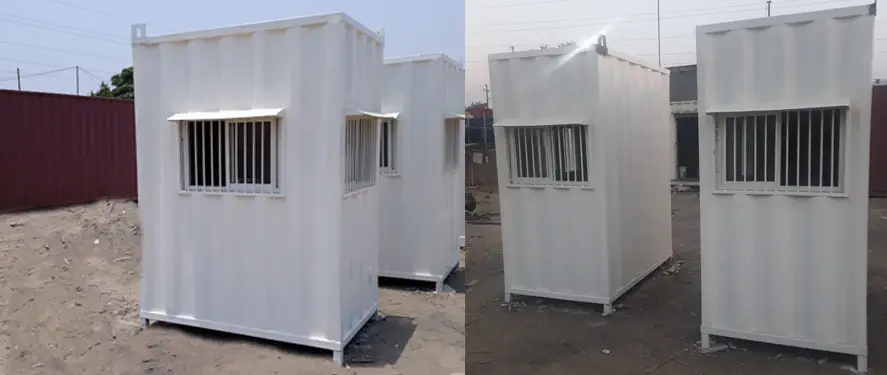
Design and Customization Options
Security requirements vary widely depending on operational workflow, manpower deployment, and environmental conditions. Because of this, standardized layouts are not always practical for industrial projects.
Customization options may include:
- Cabin dimensions
- Window orientation
- Visibility-focused glass panels
- Insulated wall systems
- Lighting arrangements
- Electrical wiring provisions
- Workstation counters
- Air-conditioning provisions
- Anti-slip flooring
- External cladding finish
- Entry door placement
- Roof extensions for rain protection
For sites operating in high-heat or exposed outdoor environments, ventilation planning and thermal management become important operational considerations.
Buyers handling long-duration deployments often evaluate maintenance access and future relocation practicality during customization planning.
Technical Considerations
A security cabin used in an industrial environment should be evaluated beyond appearance alone.
Structural Environment
Buyers should assess:
- Outdoor exposure conditions
- Rainwater drainage areas
- Wind exposure
- Surface leveling conditions
- Corrosion exposure risk
Mobility Requirements
Some projects require:
- Frequent repositioning
- Crane movement compatibility
- Truck transport suitability
- Temporary placement flexibility
Utility Planning
Operational utility requirements may include:
- Lighting load planning
- CCTV integration
- Internet and communication lines
- Power backup compatibility
- Air-conditioning provisions
Human Usage Factors
Practical working comfort affects day-to-day operational efficiency. Important considerations include:
- Interior visibility
- Heat buildup
- Shift duration comfort
- Night operation usability
- Storage and documentation space
Ignoring these practical aspects often leads to replacement or modification requirements later.
How to Choose the Right Security Cabin
The right selection depends less on appearance and more on operational workflow.
A security cabin for a residential gate differs significantly from one used at a heavy vehicle industrial checkpoint.
Buyers should evaluate:
Deployment Duration: Temporary projects may prioritize portability, while long-term sites may require heavier structural configurations.
Site Exposure: Outdoor industrial locations may require weather-resistant finishes and stronger structural protection.
Visibility Requirement: Entry monitoring cabins usually benefit from wider glass visibility and optimized counter positioning.
Manpower Usage: Single-person deployment differs from cabins supporting multiple operators and documentation handling.
Future Expansion: Projects expecting operational scale-up should consider modular adaptability during initial planning.
A practical evaluation approach generally reduces future operational modification costs.
Common Mistakes Buyers Make
Selecting Based Only on Initial Cost: Low-cost units may create operational problems in harsh outdoor conditions or high-traffic industrial environments.
Ignoring Mobility Requirements: Some buyers later realize the cabin needs relocation after site layouts change.
Poor Visibility Planning: Incorrect window positioning can reduce checkpoint monitoring effectiveness.
Underestimating Electrical Load: Additional CCTV systems, lighting, and cooling equipment may require upgraded electrical planning.
Choosing Residential-Style Designs for Industrial Use: Industrial deployments require stronger structural practicality rather than decorative finishes alone.
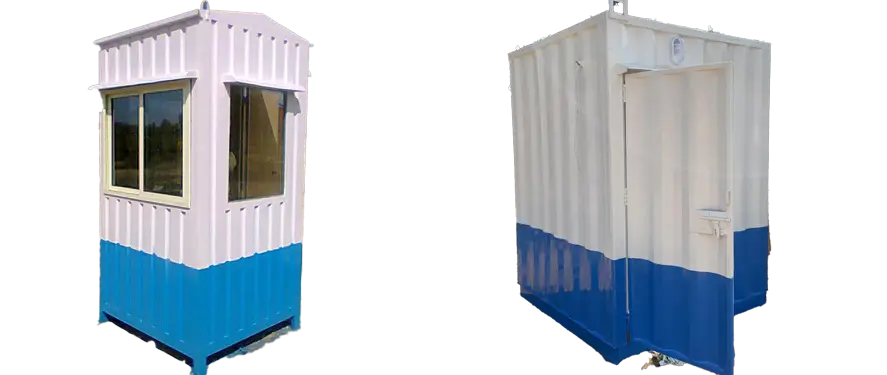
When This Product May Not Be Suitable
Security cabins may not be the right solution in certain cases.
For example:
- Permanent multi-floor security infrastructure requirements
- High-capacity administrative office usage
- Locations requiring extensive permanent civil integration
- Architecturally controlled premium façade requirements
- Heavy permanent occupancy environments
In such cases, larger modular office systems or permanent building infrastructure may be operationally more appropriate.
Proper requirement evaluation before procurement helps avoid mismatch between operational need and deployed infrastructure.
Installation and Delivery Process
A security cabin installation process generally depends on:
- Site accessibility
- Ground preparation
- Transportation approach
- Utility readiness
- Crane or unloading requirements
- Final operational positioning
For remote or active project locations, delivery coordination becomes a critical planning factor.
Typical workflow includes:
- Requirement discussion
- Layout and customization planning
- Manufacturing and fabrication
- Utility preparation
- Transportation scheduling
- Placement and operational setup
For buyers managing urgent project mobilization, early utility and unloading coordination can help reduce deployment delays.
Pricing and Cost Factors
Security cabin pricing varies based on several project-specific considerations.
Major influencing factors include:
- Cabin dimensions
- Structural material selection
- Insulation requirements
- Interior fit-out scope
- Electrical provisions
- Glass and visibility configuration
- Transportation distance
- Installation complexity
- Mobility and lifting requirements
Container-based heavy-duty units generally differ in cost from lightweight temporary watchman cabins.
Projects requiring customized layouts, operational integration, or specialized environmental protection may also involve different manufacturing considerations.
Why Businesses Choose UNO Structures
Industrial buyers usually prefer suppliers capable of handling both manufacturing and practical deployment understanding.
UNO Structures operates from New Delhi with manufacturing operations in Greater Noida and supports containerized infrastructure, PEB, prefabricated, and modular deployment requirements across India.
The company brings experience from industrial, infrastructure, commercial, and project-driven environments where operational practicality matters more than standard brochure specifications.
Key operational strengths include:
- More than 16 years of industry experience
- 900+ completed projects
- 400+ clients served
- Custom manufacturing capability
- Pan India supply support
- Industrial deployment understanding
- Modular infrastructure integration capability
The company has supported organizations including DLF, MAX Healthcare, Delhivery, Larsen & Toubro, Tata Power Solar, Petronet LNG Limited, Toshiba, Samsung Electronics, and Noida International Airport across different project environments.
For buyers requiring coordinated infrastructure deployment, security cabins may also integrate with related modular systems including portable offices, workforce accommodation units, and containerized site infrastructure.
Common Buyer Questions Before Purchase
1. Can security cabins be relocated after installation?
Yes. Many portable and modular security cabins are designed for future movement depending on structural configuration and transportation planning. Buyers expecting layout changes during project execution should discuss relocation requirements during the design stage itself.
2. Are these cabins suitable for harsh outdoor environments?
Industrial-grade security cabins are commonly used in exposed project conditions including construction sites, infrastructure corridors, logistics yards, and factory gates. Structural selection and finish planning should align with environmental exposure and operational duration.
3. Can CCTV and access-control systems be integrated?
Yes. Buyers often include electrical planning for CCTV monitoring, communication systems, lighting, biometric devices, and access-control equipment depending on operational workflow requirements.
4. What factors affect security cabin pricing?
Pricing typically depends on cabin size, structural configuration, insulation requirements, electrical integration, transportation scope, customization level, and installation conditions.
5. Is a container-based security cabin better than a lightweight portable cabin?
Container-based units are generally preferred for heavy-duty or long-duration industrial deployment, while lightweight portable cabins may suit short-term or low-intensity operational requirements.
6. Can the cabin be customized for 24-hour security operations?
Yes. Layout planning can include ventilation, lighting, operator comfort, workstation integration, storage provisions, and utility arrangements suitable for continuous shift-based operations.
What should buyers finalize before placing an order?
Buyers should ideally confirm:
- Cabin usage
- Site dimensions
- Utility availability
- Deployment duration
- Transportation access
- Future relocation possibility
- Required electrical systems
Early planning usually helps avoid execution-stage modifications.
Get Security Cabin for Your Project
For industrial sites, construction projects, warehousing facilities, infrastructure packages, and controlled-access operations, selecting the right security cabin involves more than choosing a cabin size. Operational visibility, deployment flexibility, mobility requirements, and long-term site practicality all influence the final setup.
Contact UNO Structures to discuss your project requirement, customization scope, operational environment, and deployment planning. UNO Structures manufactures from Greater Noida and supports pan-India supply for modular security infrastructure requirements.