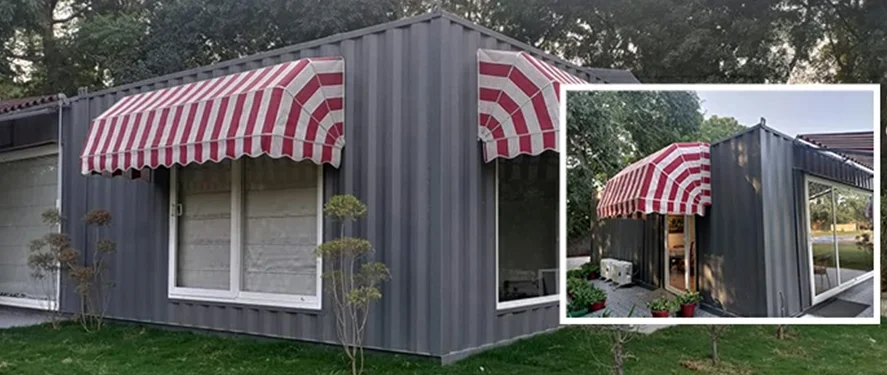
Shipping Container Home
Modern residential projects often face delays caused by conventional construction timelines, site accessibility issues, rising civil costs, and changing space requirements. A shipping container home provides a modular steel-based living solution that supports faster deployment, controlled customization, and practical installation flexibility across urban, remote, industrial, and recreational environments.
UNO Structures, a Greater Noida-based infrastructure manufacturer, supplies customized shipping container homes across India for residential, commercial, project-based, and remote-site applications. Through its manufacturing and execution capabilities, the company supports modular container housing requirements with layout customization, utility integration planning, structural modifications, insulation options, and deployment coordination based on project scope. Explore more about UNO Structures and its container infrastructure capabilities.
What is Shipping Container Home
A shipping container home is a modular residential structure developed using modified steel shipping containers designed for living, accommodation, recreational, or project-based residential usage. These units are customized with insulation, electrical systems, plumbing, ventilation, flooring, windows, partitions, and utility integration depending on operational requirements.
Unlike conventional brick-and-mortar construction, container-based homes are often selected where deployment speed, relocation flexibility, structural durability, or limited site accessibility becomes a practical concern. In many project scenarios, buyers prefer these structures for farmhouses, holiday retreats, remote accommodations, temporary residential setups, and expandable modular living infrastructure.
The structural shell is typically designed to support transportation handling, outdoor exposure conditions, and repeated relocation if required. Depending on the application, layouts may include bedrooms, kitchens, washrooms, lounges, balconies, workspaces, or utility sections.
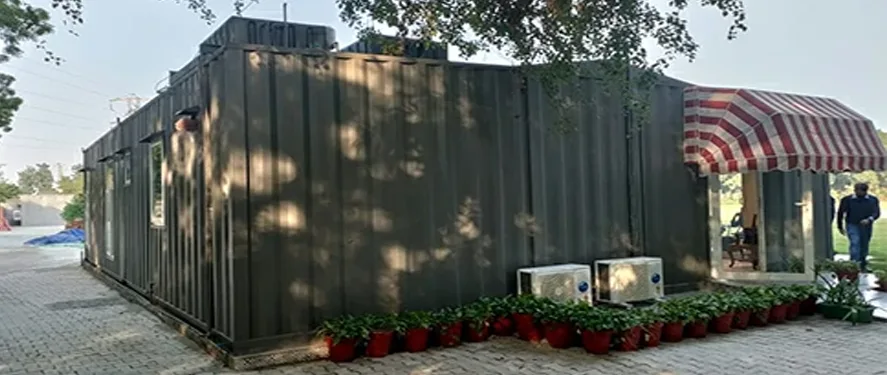
Modular Shipping Container Home Solutions for Modern Projects
Modern buyers are no longer using container homes only for temporary accommodation. Many projects now demand modular residential infrastructure that can be deployed quickly while still maintaining functional living comfort and modern design flexibility.
Suitable for Fast-Changing Site Conditions
Container homes are often preferred in locations where civil construction becomes difficult due to terrain limitations, temporary land usage, remote access, or urgent occupancy requirements. This is common in:
- Farmhouse developments
- Resort projects
- Tourism infrastructure
- Mining and infrastructure projects
- Remote industrial locations
- Weekend living spaces
- Site-based executive accommodations
Better Deployment Flexibility
A modular container-based setup allows phased expansion. Buyers may initially deploy a single residential unit and later integrate additional living, utility, office, or recreational modules depending on future requirements.
This flexibility becomes valuable in projects where space usage evolves over time.
Prefab Container Home Configurations and Layout Planning
A prefab container home is typically planned around actual usage patterns instead of generic room divisions. Residential functionality depends heavily on layout planning, insulation strategy, climate exposure, utility routing, and long-term maintenance access.
Single-Unit Residential Layouts
Suitable for:
- Compact living spaces
- Farm stays
- Security-linked residential use
- Temporary project accommodation
- Studio-style container homes
Multi-Container Residential Structures
Larger projects may combine multiple containers to create:
- Duplex-style modular homes
- Multi-bedroom layouts
- Container villas
- Resort accommodation clusters
- Executive housing blocks
Structural joining methods, corridor planning, staircase positioning, ventilation flow, and roof treatment become important during multi-unit design planning.
Interior Utility Planning
Practical residential usability depends on:
- Washroom placement
- Water inlet and drainage routing
- Airflow management
- Heat control insulation
- Lighting integration
- Power load planning
- Furniture movement space
Ignoring these factors early often creates operational limitations after deployment.
Portable Container Housing for Remote and Flexible Living
Portable residential infrastructure is increasingly used where mobility, rapid relocation, or temporary land usage are involved.
A portable container housing solution helps reduce dependency on prolonged civil work while maintaining structural stability and usable residential functionality. This is particularly relevant for EPC contractors, remote operations teams, renewable energy projects, and temporary hospitality developments.
Common Deployment Environments
- Hilly regions
- Mining sites
- Infrastructure corridors
- Tourism zones
- Remote workforce accommodation
- Agricultural properties
- Highway-linked developments
Mobility Considerations
Not every container home is designed for frequent transportation. Buyers should clearly define whether the structure is intended for:
- Permanent placement
- Semi-permanent deployment
- Relocatable usage
- Repeated transportation cycles
This directly impacts reinforcement planning, structural modifications, lifting points, and transportation handling strategy.
Applications in Real Use
A shipping container home is used across multiple residential and semi-commercial infrastructure environments.
Farmhouse and Weekend Living: Container homes are increasingly deployed for managed farmhouse developments where buyers require faster site readiness without long civil construction cycles.
Resort and Hospitality Infrastructure: Hospitality operators often use modular container accommodation for eco-resorts, tourism projects, luxury camping infrastructure, and expandable guest housing setups.
Remote Project Accommodation: Infrastructure, energy, and industrial projects may require temporary yet comfortable executive or workforce housing near active project locations.
Rental and Commercial Residential Spaces: Certain buyers deploy modular homes as rental accommodation, serviced living units, or flexible residential assets in high-development zones.
Industries Using This Product
Shipping container residential infrastructure is used by:
- Construction companies
- EPC contractors
- Hospitality operators
- Infrastructure developers
- Renewable energy projects
- Farmhouse developers
- Tourism businesses
- Mining and industrial operators
- Institutional infrastructure projects
- Remote logistics operators
Demand is particularly strong in projects where deployment timelines and operational flexibility are critical.
Design and Customization Options
UNO Structures supports customized residential container configurations based on operational and architectural requirements.
Structural Modifications
Customization may include:
- Door and window cutouts
- Double-height sections
- Balcony integration
- Roof extensions
- Staircase provisions
- Exterior cladding support
- Interconnected modules
Interior Customization
Depending on project scope, interiors may include:
- Modular kitchens
- Washroom systems
- Insulated wall panels
- Vinyl or wooden flooring
- False ceilings
- Lighting layouts
- Storage integration
- Workspace sections
Exterior Appearance Planning
Many buyers now prioritize visual integration alongside functionality. Exterior customization may include:
- Modern façade treatments
- Wooden finish cladding
- Industrial architectural styling
- Glass integration
- Outdoor deck areas
- Terrace accessibility
Technical Considerations
Before finalizing a shipping container residential project, buyers should evaluate several practical factors.
Climate and Heat Exposure: Steel structures react differently under extreme temperatures. Proper insulation strategy becomes important for thermal comfort and operational efficiency.
Site Accessibility: Transportation routes, unloading conditions, crane movement space, and terrain access should be assessed before manufacturing dimensions are finalized.
Foundation Planning
Foundation requirements vary depending on:
- Soil condition
- Unit size
- Multi-container stacking
- Permanent or temporary usage
- Seismic considerations
Utility Integration: Electrical systems, water supply, sewage routing, internet infrastructure, and HVAC planning should be coordinated during the design stage rather than post-installation.
How to Choose the Right Shipping Container Home
Choosing the right configuration depends more on usage practicality than appearance alone.
A well-planned container home should balance deployment conditions, insulation needs, structural modifications, mobility requirements, occupancy usage, and long-term maintenance accessibility. Buyers should finalize intended usage duration, utility dependency, expansion plans, and transportation feasibility before approving the final design.
Questions Buyers Should Clarify Early
- Will the structure remain permanent or relocatable?
- What climate conditions will it operate in?
- Is future expansion expected?
- What utility load requirements exist?
- Is architectural appearance a major priority?
- Will the site support heavy transportation access?
Selection Factors Often Overlooked
Buyers sometimes focus heavily on visual aesthetics while underestimating:
- Structural reinforcement needs
- Insulation quality
- Ventilation planning
- Waterproofing detailing
- Transportation constraints
- Long-term maintenance access
These factors directly affect usability after deployment.
Common Mistakes Buyers Make
1. Choosing Layout Before Utility Planning
Interior layout decisions made before electrical and plumbing planning often create rework during installation.
2. Ignoring Site Logistics
Some sites cannot accommodate large trailers or crane movement. Transportation feasibility should be assessed before manufacturing begins.
3. Underestimating Thermal Requirements
Without proper insulation and airflow planning, residential comfort may reduce significantly in extreme weather conditions.
4. Over-Customizing Small Spaces
Excessive partitions inside compact container units can reduce practical usability and movement efficiency.
When This Product May Not Be Suitable
Shipping container homes may not be the right solution for every residential project.
They may be less suitable when:
- Traditional permanent architecture is mandatory
- Large unrestricted open-span layouts are required
- Extremely high-rise residential development is planned
- Local regulatory conditions restrict modular infrastructure usage
- Long-term luxury residential expectations exceed modular feasibility
In such cases, hybrid prefab or conventional structural systems may be more practical.
Installation and Delivery Process
The deployment process typically depends on customization scope, transportation access, and site readiness.
General Project Flow
- Requirement discussion and layout planning
- Structural design and customization approval
- Manufacturing and modification stage
- Utility integration preparation
- Transportation coordination
- Site unloading and placement
- Final finishing and commissioning support
Projects involving multiple container modules may require staged installation planning.
UNO Structures supports pan India supply coordination based on project scope and operational feasibility.
Pricing and Cost Factors
Shipping container home pricing varies based on structural complexity, customization level, insulation requirements, interior finishing scope, transportation distance, and installation conditions.
Major Cost Variables
- Container size and quantity
- Structural modifications
- Interior finish specifications
- Insulation type
- Utility integration complexity
- Transportation logistics
- Site accessibility
- Crane and installation requirements
Buyers comparing quotations should evaluate total operational suitability instead of comparing only base structural pricing.
Why Businesses Choose UNO Structures
With over 15 years of experience, 900+ completed projects, and infrastructure execution exposure across industrial and commercial sectors, UNO Structures supports containerized infrastructure requirements with practical deployment understanding.
The company operates manufacturing facilities in Greater Noida and supports pan India supply for modular container infrastructure projects across varying operational environments.
Its experience across PEB, civil execution, portable infrastructure, office containers, refrigerated containers, security cabins, and modular structures allows better coordination between manufacturing practicality and project execution realities.
Organizations including DLF, MAX Healthcare, Larsen & Toubro, Delhivery, Toshiba, Tata Power Solar, Air India, Reliance Industries Limited, and Noida International Airport are among the companies associated with completed project deliveries and infrastructure requirements.
Learn more about the company’s execution background on the UNO Structures About us page.
For buyers evaluating related modular infrastructure, the company also supports customized shipping container home solutions based on residential and project-specific requirements.
Common Buyer Questions Before Purchase
1. Can container homes be customized for long-term residential usage?
Yes. Depending on insulation, utility integration, ventilation planning, and interior finishing scope, shipping container homes can be configured for extended residential functionality across different environmental conditions.
2. Are multi-container layouts structurally practical?
Multi-container configurations are commonly used for larger modular residential projects. Structural reinforcement requirements depend on stacking design, openings, load distribution, and intended occupancy usage.
3. How important is insulation in a container home?
Insulation is one of the most important functional considerations because steel structures react quickly to heat and external climate exposure. Proper insulation directly affects living comfort and operational usability.
4. Can the structure be relocated later?
Certain container homes are designed for future relocation, while others are planned as semi-permanent structures. Transportation planning should be finalized during the design stage..
Get Shipping Container Home for Your Project
If your project requires fast-deployment modular residential infrastructure with practical customization flexibility, UNO Structures can support planning, manufacturing, and deployment coordination based on your operational requirements.
From farmhouse developments and hospitality accommodation to remote-site residential infrastructure, the company’s Greater Noida manufacturing capabilities support pan India project execution for customized container-based housing requirements.
Discuss your project scope, deployment environment, customization priorities, and installation conditions with the team before finalizing specifications.
Contact the team through the UNO Structures Contact us Page.