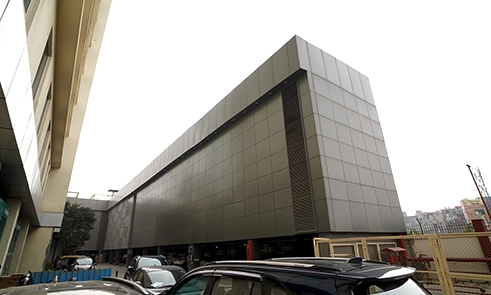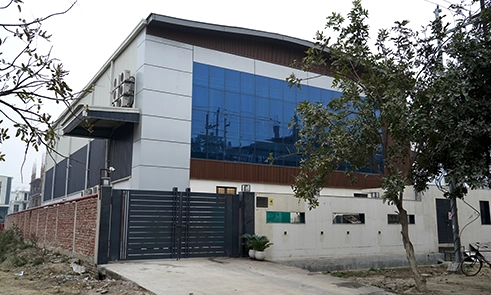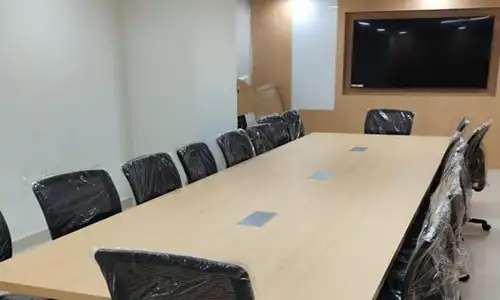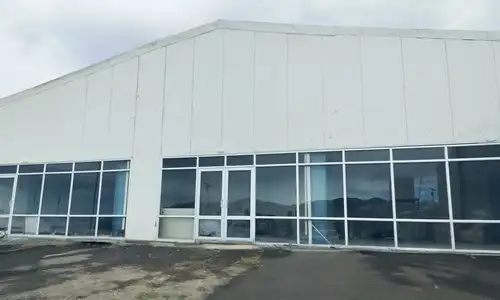
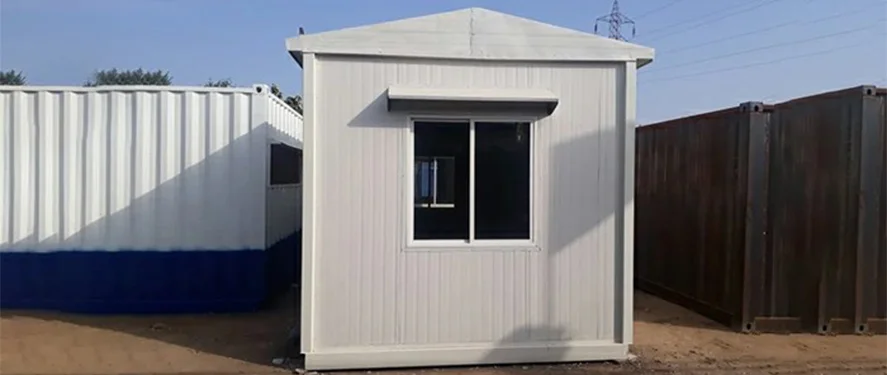
Porta Cabin
A Porta cabin is a prefabricated portable structure used for operational infrastructure where permanent construction is impractical, delayed, or commercially inefficient. These units are commonly deployed for project offices, workforce management, security operations, utility rooms, storage areas, and temporary administration setups requiring quick site readiness.
When infrastructure delays begin affecting project coordination, workforce management, or on-site supervision, businesses often require a deployable space solution that can be transported, installed, and operational with minimal civil dependency. That is where well-designed porta cabin systems become commercially practical.
UNO Structures manufactures customized porta cabin solutions from its Greater Noida manufacturing operations for industrial, infrastructure, construction, EPC, warehousing, and institutional requirements across India. The company supports planning, fabrication, customization, supply, and installation coordination depending on project scope and operational usage conditions.
Unlike generic portable units, project-driven porta cabins are usually selected based on deployment environment, mobility requirements, utility integration, insulation expectations, occupancy type, and long-term operational practicality. This becomes especially important for remote infrastructure projects, fast-track construction sites, temporary operational expansion, and phased industrial execution environments.
Businesses evaluating portable infrastructure solutions often compare modular site cabins, office containers, prefab cabins, workforce cabins, and container-based structures depending on deployment timelines, transportation conditions, and intended usage duration.
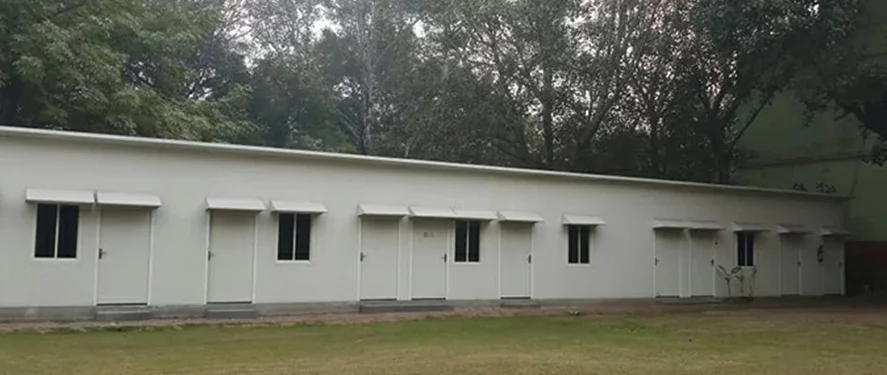
What is Porta Cabin
A porta cabin is a movable prefabricated structure designed to create usable operational space without conventional full-scale construction activity. These cabins are manufactured off-site and transported for installation at project locations requiring temporary or relocatable infrastructure.
Porta cabins are commonly used where operational continuity matters more than permanent construction timelines. In practical industrial usage, they function as site offices, staff accommodation units, security rooms, meeting spaces, supervisor cabins, equipment control rooms, retail counters, utility spaces, and temporary administration blocks.
The structure may include insulated panels, electrical provisions, windows, doors, internal partitions, flooring systems, ventilation arrangements, plumbing integration, and utility access depending on the intended operational requirement.
Portable Porta Cabin for Project-Site Operations
Project environments rarely remain static. Workforce movement, execution phases, contractor coordination, and utility requirements keep changing throughout the project lifecycle. A portable porta cabin helps businesses maintain functional infrastructure flexibility during these transitions.
For EPC contractors and infrastructure companies, mobility often matters as much as structural durability. Cabins used at one phase of a Project may later be repositioned for utility management, temporary administration, or workforce coordination at another location.
Operationally, portable cabin deployment becomes useful for:
Temporary Site Administration
Construction managers, project coordinators, procurement teams, and engineers often require immediate workspace availability before permanent infrastructure becomes operational.
Workforce Support Areas
Cabins are commonly configured for changing rooms, rest areas, first-aid stations, or attendance management operations.
Security and Monitoring Use
Entry-point monitoring cabins remain common across logistics yards, industrial plants, warehousing zones, and infrastructure corridors.
Remote Location Deployment
Remote project sites frequently face civil construction limitations, making modular portable structures more practical for operational continuity.
Modular Porta Cabin Configurations
Not all porta cabin requirements involve identical layouts. Operational functionality changes significantly depending on occupancy levels, equipment integration, environmental exposure, and duration of usage.
Single-Unit Compact Cabins: Used where minimal space infrastructure is required for supervisory staff, entry management, or small operational teams.
Multi-Section Modular Layouts: Larger project sites often combine multiple cabins for conference areas, engineering offices, documentation rooms, and workforce coordination zones.
Insulated Portable Cabins: Industrial buyers operating in exposed environmental conditions frequently evaluate insulation suitability for thermal management and interior usability.
Container-Based Cabin Structures: Some businesses prefer container-integrated portable units where transportation durability and relocation frequency are major considerations.
Prefab Porta Cabin for Industrial Infrastructure Expansion
A prefab porta cabin allows businesses to establish operational infrastructure without waiting for full-scale civil development. This becomes commercially useful during expansion phases, temporary operational scaling, shutdown projects, or transition-stage facility management.
In many industrial projects, operational teams cannot wait for permanent structures to become functional before site execution begins. Portable prefab units bridge this infrastructure gap while supporting ongoing project activity.
Common usage scenarios include:
- Temporary project headquarters
- Vendor coordination rooms
- Maintenance control areas
- Industrial gate operations
- Utility supervision stations
- Warehouse administration blocks
- Temporary classroom or training spaces
- Transit workforce facilities
Applications in Real Use
Porta cabins are selected based on operational practicality rather than appearance alone. Their value depends heavily on how efficiently they support on-site execution requirements.
Construction and Infrastructure Projects: Project managers use portable cabins for planning rooms, documentation control, workforce coordination, and contractor meetings.
Industrial Manufacturing Facilities: Factories deploy cabins for security operations, maintenance departments, temporary production support, and expansion-stage administration.
Logistics and Warehousing: Warehousing operators frequently install portable office structures near loading zones, inventory checkpoints, and dispatch areas.
Institutional and Commercial Requirements: Temporary ticketing counters, site sales offices, retail support spaces, and event operations often use modular cabin infrastructure.
Utility and Energy Projects: Power, solar, gas, and infrastructure projects regularly require movable technical supervision cabins in remote operational locations.
Industries Using This Product
Different industries adopt porta cabins for entirely different operational reasons.
- EPC contracting companies
- Infrastructure development firms
- Construction management companies
- Manufacturing facilities
- Oil and gas project contractors
- Warehousing operators
- Renewable energy projects
- Airport and aviation infrastructure projects
- Institutional campuses
- Mining and remote industrial projects
- Logistics operators
- Industrial maintenance contractors
Businesses handling phased infrastructure execution usually prioritize deployment flexibility, transportation practicality, and operational adaptability over conventional building dependency.
Design and Customization Options
Industrial buyers rarely purchase standard cabin configurations without modifications. Real-world operational requirements generally dictate layout planning and structural adjustments.
UNO Structures supports customization based on usage environment, occupancy, and deployment conditions.
Layout Planning: Cabins can include partitions, open workspace formats, meeting areas, storage sections, or integrated utility spaces.
Utility Integration: Electrical systems, lighting provisions, HVAC readiness, plumbing arrangements, networking routes, and workstation infrastructure can be planned according to operational needs.
Structural Preferences: Depending on usage duration and environmental conditions, buyers may evaluate insulation, wall material combinations, flooring systems, and roofing configurations.
Access and Mobility Requirements: Transportation access limitations, crane handling conditions, relocation frequency, and site entry restrictions influence structural sizing decisions.
Natural integration with related container infrastructure can also be evaluated through the company’s dedicated container infrastructure solutions section.
Technical Considerations
Industrial procurement decisions often fail when buyers focus only on cabin dimensions instead of operational suitability.
Before finalizing a porta cabin requirement, businesses should evaluate:
Site Exposure Conditions: High heat, dust exposure, rainfall intensity, coastal conditions, and terrain access can influence structural specifications.
Occupancy Load: A cabin intended for one supervisor differs significantly from a unit supporting multiple teams with equipment and utility integration.
Relocation Frequency: Frequently movable cabins require different transportation planning compared to semi-permanent deployment structures.
Utility Dependency: Electrical load expectations, air-conditioning requirements, plumbing integration, and communication infrastructure affect internal configuration planning.
Transportation Constraints: Road access limitations, unloading conditions, crane availability, and project-site maneuverability should be considered before fabrication approval.
How to Choose the Right Porta Cabin
A suitable porta cabin is usually selected by operational purpose first — not by size alone.
Define Actual Usage: Office operations, accommodation, security management, technical supervision, or utility control all require different structural planning.
Evaluate Duration of Deployment: Short-term projects may prioritize mobility, while long-duration installations may require higher insulation and interior usability standards.
Understand Utility Requirements: Air conditioning, lighting, washroom integration, workstation density, and equipment usage affect structural planning significantly.
Assess Future Relocation Needs: Some buyers underestimate relocation frequency, which later increases transportation and modification costs.
Match Cabin Type to Site Conditions: Remote industrial projects often require structurally stronger transport-ready units compared to urban temporary installations.
Common Mistakes Buyers Make
Several operational issues arise because buyers evaluate portable structures only on initial appearance or basic pricing.
Ignoring Transportation Practicality: Oversized units sometimes create unloading and site movement complications after dispatch.
Underestimating Internal Heat Load: Cabins exposed to continuous sunlight without appropriate insulation planning may affect usability.
Poor Utility Planning: Late-stage electrical or plumbing changes often increase installation complications.
Choosing Based Only on Initial Cost: Low-cost structures may create higher long-term maintenance or relocation challenges.
No Future Expansion Planning: Projects evolving in phases may later require connected modular expansion that was not considered initially.
When This Product May Not Be Suitable
Porta cabins are operationally practical, but they are not ideal for every infrastructure requirement.
This solution may not be suitable where:
- Permanent multi-floor civil structures are mandatory
- Heavy industrial process integration is required
- Extremely high occupancy density is expected
- Long-term institutional infrastructure requires conventional RCC construction
- Specialized regulatory approvals demand permanent structural systems
For some long-term industrial applications, businesses may instead evaluate PEB or permanent civil infrastructure depending on project objectives.
Installation and Delivery Process
Deployment planning directly affects operational readiness timelines.
Typically, the process includes:
Requirement Assessment: Usage type, occupancy, site conditions, and customization requirements are evaluated.
Design and Fabrication: Manufacturing is completed at the Greater Noida facility based on approved specifications.
Transportation Coordination: Movement planning depends on road access, unloading conditions, and deployment location.
Site Placement: Cabins are positioned using appropriate handling methods depending on unit size and terrain conditions.
Utility Integration: Electrical connections, plumbing systems, internal setup, and operational finishing are completed based on project scope.
Pricing and Cost Factors
Porta cabin pricing depends more on configuration complexity than on structure size alone.
Key cost variables include:
- Structural dimensions
- Insulation requirements
- Interior finishes
- Electrical integration
- Plumbing systems
- Mobility requirements
- Transportation distance
- Site handling complexity
- Modular expansion capability
- Deployment environment
Industrial buyers comparing quotations should evaluate operational suitability rather than comparing only base pricing figures.
Why Businesses Choose UNO Structures
Industrial buyers generally prefer infrastructure partners capable of handling both manufacturing and execution coordination instead of supplying isolated products without deployment understanding.
UNO Structures operates from New Delhi with manufacturing operations in Greater Noida and supports pan India infrastructure requirements across industrial and project-driven sectors.
With more than 15 years of experience, over 900 completed projects, and 400+ clients served, the company supports portable infrastructure, PEB systems, modular structures, civil execution, and containerized operational solutions.
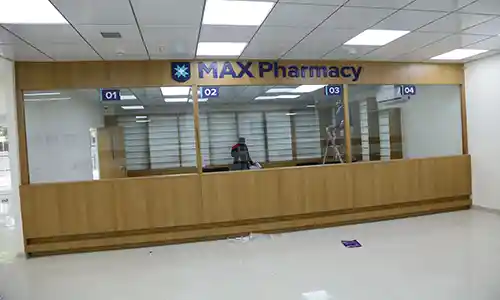
Organizations including DLF, MAX Healthcare, Larsen & Toubro, Delhivery, Tata Power Solar, Afcons Infrastructure, Samsung Electronics, Reliance Industries Limited, and Noida International Airport are among the businesses associated with project execution and infrastructure requirements handled by the company.
Additional company background, operational capabilities, and project execution information can be reviewed through the company overview section.
Common Buyer Questions Before Purchase
1. Can porta cabins be customized for office and workforce usage together?
Yes. Many industrial buyers combine office sections, meeting spaces, supervisor cabins, and workforce support areas within a single modular layout depending on available site space and operational requirements.
2. Are these cabins suitable for long-duration deployment?
That depends on structural specifications, environmental exposure, occupancy conditions, and maintenance planning. Many businesses use portable cabins for extended operational periods where permanent construction is commercially impractical.
3. Can the cabin be relocated after project completion?
In many cases, yes. Relocation suitability depends on cabin size, transportation planning, structural configuration, and site handling conditions.
4. How are utilities managed inside portable cabins?
Electrical systems, lighting, air-conditioning readiness, plumbing integration, and workstation infrastructure are typically planned during fabrication according to operational requirements.
5. Is civil foundation work always required?
Not necessarily. Site conditions and structural dimensions influence installation requirements. Some deployments require minimal preparation compared to conventional construction methods.
6. What industries commonly use modular porta cabins?
Construction, infrastructure, warehousing, manufacturing, logistics, utilities, aviation, institutional projects, and EPC operations frequently use portable cabin infrastructure.
Get Porta Cabin for Your Project
When operational infrastructure delays begin affecting project execution, workforce coordination, or temporary site administration, deployable portable structures become a practical business requirement rather than an optional facility upgrade.
UNO Structures manufactures customized porta cabin systems from Greater Noida and supports industrial deployment requirements across India for construction companies, EPC contractors, infrastructure developers, logistics operators, manufacturing facilities, and project-based operations.
Discuss your project scope, layout requirements, mobility expectations, and deployment conditions with the team before finalizing structural specifications.
For project consultation, customization discussions, and deployment planning, visit the contact us page.