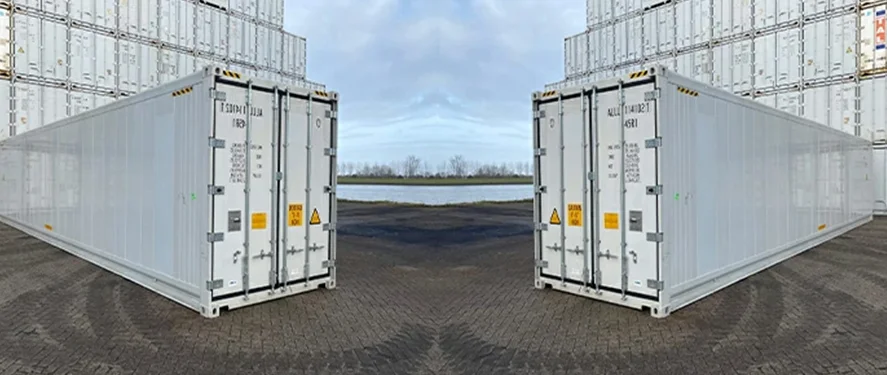
Refrigerated Container
Industries dealing with temperature-sensitive inventory rarely face problems during planning stages. The real challenge begins when materials, medicines, processed food, or perishable stock must remain stable across changing site conditions, transport delays, fluctuating ambient temperatures, or temporary operational setups.
A Refrigerated container is a containerized cold storage unit designed to maintain controlled temperature conditions for storage or operational handling of temperature-sensitive products. These units are commonly used across food processing, pharmaceuticals, industrial logistics, infrastructure projects, and temporary cold-chain requirements where fixed cold rooms are not practical.
UNO Structures manufactures and supplies customized refrigerated container solutions from Greater Noida for pan India industrial deployment requirements. The company supports container modification, utility integration, operational customization, site deployment planning, and execution-oriented infrastructure support based on actual usage conditions rather than standard one-size-fits-all configurations.
What is Refrigerated Container
A refrigerated container is an insulated container-based structure equipped with cooling systems that help maintain controlled internal temperatures for storage, operational holding, or transport-linked applications.
Unlike conventional storage containers, these units are engineered to reduce external heat transfer while supporting continuous cooling operation under industrial usage conditions. Depending on the requirement, refrigerated units may support frozen storage, chilled storage, pharmaceutical handling, food inventory stabilization, or temporary cold-chain continuity during project expansion or facility maintenance.
In many industrial projects, businesses use refrigerated containers because permanent cold-room construction may not be immediately viable due to site mobility, temporary operations, phased expansion, or urgent deployment requirements
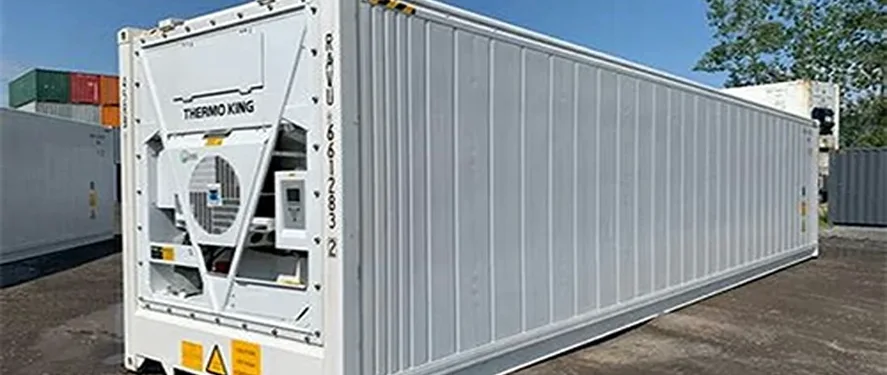
Refrigerated Container for Industrial Cold Storage Operations
Industrial buyers often require more than simple cooling capability. The actual requirement usually involves operational continuity under changing environmental and workload conditions.
Common Industrial Deployment Scenarios
- Temporary cold storage during warehouse expansion
- Food inventory overflow management
- Pharmaceutical batch holding
- Construction-site cold storage support
- Seasonal processing operations
- Export handling and staging
- Event-based refrigeration requirements
- Emergency replacement during cold-room downtime
Many businesses prefer containerized cooling systems because installation complexity remains comparatively manageable when compared to civil cold-room construction.
Operational Advantages
A properly configured refrigerated container can help businesses:
- Reduce product spoilage exposure
- Manage temporary storage fluctuations
- Maintain operational flexibility
- Support distributed site operations
- Deploy cooling infrastructure faster
- Relocate infrastructure when operational priorities shift
This becomes especially relevant for EPC contractors, logistics operators, food businesses, and project managers working under evolving site conditions.
Portable Refrigerated Container Solutions for Temporary Deployment
Not every industrial requirement justifies permanent infrastructure investment. Some projects require temperature-controlled storage only for specific phases, shutdown periods, seasonal operations, or temporary capacity expansion.
Portable refrigerated containers are frequently used in:
- Infrastructure development sites
- Mining and remote operations
- Temporary warehousing
- Pharma distribution hubs
- Event logistics
- Airport and aviation support operations
- Modular processing setups
A major operational advantage is deployment flexibility. These units can often be positioned closer to active workflow zones, reducing material handling delays between unloading, inspection, packaging, and dispatch stages.
For businesses operating across multiple project locations, movable refrigeration infrastructure can reduce dependency on fixed-location storage systems.
Refrigerated Shipping Container Customization Options
Different industries operate under different storage realities. A pharmaceutical handling setup differs significantly from a food-processing workflow or an industrial chemical stabilization requirement.
Because of this, refrigerated shipping containers are typically customized around operational usage instead of only dimensions.
Possible Customization Areas
Internal Layout Configuration
- Shelving integration
- Partitioned storage sections
- Workflow zoning
- Loading access optimization
Electrical Integration
- Power inlet planning
- Backup utility support
- Lighting arrangement
- External electrical panel integration
Access and Handling Features
- Personnel doors
- Loading access modifications
- Anti-slip flooring
- Ramp compatibility
- Handling clearances
Environmental Protection Considerations
- Weather exposure conditions
- High ambient temperature usage
- Dust-prone industrial zones
- Coastal operational environments
The right customization approach depends on how the refrigerated unit will actually operate on-site, not just where it will be placed.
Applications in Real Use
Refrigerated containers are used across both fixed and temporary industrial environments where controlled temperature stability affects operational reliability.
Food and Beverage Operations
Food processors and distributors often use refrigerated units for:
- Dairy product handling
- Frozen inventory management
- Packaged food staging
- Temporary seasonal capacity expansion
Pharmaceutical and Healthcare Usage
Temperature-sensitive medicine handling frequently requires controlled temporary storage during facility upgrades, transport coordination, or emergency storage requirements.
Infrastructure and Construction Projects
Large project sites sometimes require controlled storage for specific chemicals, materials, or temperature-sensitive consumables.
Retail and Distribution Operations
Retail supply chains may use refrigerated containers for overflow inventory during peak seasonal demand or logistics restructuring periods.
A refrigerated container supports operational continuity when fixed infrastructure becomes temporarily insufficient or operationally restrictive.Industries Using This ProductSeveral industries use containerized refrigeration infrastructure because deployment flexibility and operational scalability are often more practical than permanent construction.
Common sectors include:
- Food processing
- Pharmaceuticals
- Hospitality support operations
- Aviation and airport logistics
- EPC and infrastructure projects
- Industrial warehousing
- Cold-chain distribution
- Retail logistics
- Export operations
- Agricultural processing
Companies managing distributed operational networks often prefer modular refrigerated infrastructure because it can align with changing business volumes and project phases.
Design and Customization Options
Industrial refrigerated containers are rarely identical across projects. Site realities, operational workflows, electrical availability, handling patterns, and cooling expectations usually influence final configuration decisions.
Container Size Planning
Selection often depends on:
- Expected storage volume
- Loading frequency
- Dispatch movement
- Available site space
- Crane or transport accessibility
Cooling Requirement Assessment
Different products require different environmental stability conditions. Buyers should evaluate:
- Required temperature range
- Door opening frequency
- Storage density
- Ambient external temperatures
- Runtime continuity expectations
Workflow-Based Design
Operational efficiency is affected by:
- Loading direction
- Aisle movement
- Forklift accessibility
- Operator movement
- Inspection access
Well-planned layout configuration can reduce operational inefficiencies after deployment.
Technical Considerations
Before selecting a refrigerated container, buyers should evaluate operational dependencies beyond basic dimensions.
A refrigerated container should be selected based on actual cooling usage, site utility conditions, product sensitivity, deployment duration, and operational workflow. Temperature performance alone is not enough if electrical infrastructure, ventilation planning, loading frequency, and environmental exposure are not evaluated during project planning.
Important Technical Evaluation Factors
Power Availability: Cooling performance depends heavily on stable electrical supply conditions.
Site Exposure Conditions: External heat, direct sunlight exposure, and ventilation restrictions can influence operational performance.
Access Movement: Improper loading patterns can affect cooling retention and operational efficiency.
Maintenance Accessibility: Cooling systems require servicing access planning, especially in high-usage industrial environments.
Runtime Continuity: Businesses operating critical cold-chain workflows should evaluate backup power planning and operational contingency support.
How to Choose the Right Refrigerated Container
Buyers often focus only on container size or cooling capability. In reality, selection should begin with operational usage analysis.
Questions Buyers Should Clarify
- Is the requirement temporary or long-term?
- Will the unit remain stationary or relocate between sites?
- What type of products will be stored?
- How frequently will access doors open?
- Is utility infrastructure already available?
- Will the unit operate in extreme ambient temperatures?
- Is rapid deployment important?
Selection Strategy
For temporary industrial projects, portability and faster deployment may become more important than high-capacity fixed infrastructure.
For pharmaceutical or sensitive inventory usage, operational stability and internal workflow planning often become higher priorities.
Common Mistakes Buyers Make
Selecting Based Only on Price: Low-cost units may create operational issues if insulation quality, cooling suitability, or power planning are not properly evaluated.
Ignoring Site Conditions: Poor ventilation positioning or direct heat exposure can affect cooling efficiency.
Underestimating Operational Movement: Frequent door openings and high traffic movement influence temperature stability.
Choosing Standard Layouts Without Workflow Planning: Improper internal arrangement may reduce usable storage efficiency.
Not Planning Utility Integration Early: Electrical compatibility and site power readiness should be assessed before deployment scheduling.
When This Product May Not Be Suitable
A refrigerated container may not always be the best solution.
In some cases, businesses may require:
- Permanent large-scale cold-room infrastructure
- Hhigh-volume automated warehousing systems
- Centralized industrial refrigeration plants
- Highly specialized pharmaceutical-grade environments
For continuously expanding high-capacity operations, fixed infrastructure may become more operationally practical over time.
However, for temporary, scalable, modular, or rapidly deployable requirements, containerized refrigeration often provides greater flexibility.
Installation and Delivery Process
Project execution typically depends on site readiness, transport accessibility, electrical preparation, and customization scope.
Typical Process Flow
Requirement Discussion: Operational usage, temperature expectations, and deployment conditions are evaluated.
Design and Modification Planning: Container customization and workflow adjustments are finalized.
Manufacturing and Preparation: Structural modification, insulation work, and refrigeration integration are completed at the manufacturing facility.
Dispatch Coordination: Transport planning depends on project location, site accessibility, and unloading arrangements.
Site Positioning and Utility Connection: The unit is positioned, utility integration is completed, and operational testing is performed as per project scope.
For urgent operational requirements, early coordination helps reduce deployment delays.
Pricing and Cost Factors
Refrigerated container pricing varies significantly depending on operational specifications and customization scope.
Factors Affecting Cost
- Container size
- Insulation configuration
- Refrigeration system requirements
- Internal modifications
- Utility integration
- Site deployment conditions
- Transport distance
- Operational temperature range
- Workflow customization
Projects requiring specialized industrial integration or remote deployment conditions may involve additional execution considerations.
Why Businesses Choose UNO Structures
Industrial buyers generally shortlist suppliers based on execution capability, customization flexibility, and deployment understanding rather than only product supply.
UNO Structures reflects the company’s infrastructure-focused approach across containers, prefabricated structures, PEB solutions, and project-oriented modular infrastructure systems.
Key operational strengths include:
- Manufacturing support from Greater Noida
- Pan India supply capability
- Customization-based execution
- Experience across industrial and infrastructure sectors
- Container modification capability
- Project-oriented deployment understanding
With more than 16 years of industry experience, over 900 completed projects, and 400+ clients served, the company has supported operational requirements across healthcare, infrastructure, logistics, warehousing, EPC, and industrial sectors.
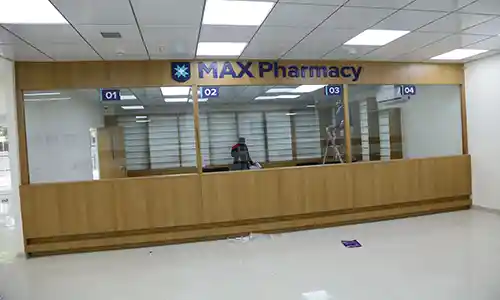
The company has worked with organizations including DLF, MAX Healthcare, Delhivery, Larsen & Toubro, Tata Power Solar, Toshiba, Reliance Industries Limited, Noida International Airport, Air India, Samsung Electronics, and Saint-Gobain based on project-specific infrastructure requirements.
Common Buyer Questions Before Purchase
1. Can refrigerated containers be customized for different industries?
Yes. Configuration varies depending on product type, workflow, storage sensitivity, access requirements, and deployment environment. Pharmaceutical handling, food processing, and industrial applications usually require different internal planning and operational integration.
2. Are refrigerated containers suitable for temporary project requirements?
Yes. Many businesses use these units during facility expansion, seasonal demand increase, shutdown maintenance periods, or temporary project operations where permanent cold-room construction is not practical.
3. Can the unit be relocated later?
Containerized systems are commonly selected because they support operational mobility. However, relocation feasibility depends on final structural modifications, site handling conditions, and transport planning.
4. What utility requirements should buyers evaluate before installation?
Power availability, electrical compatibility, ventilation clearance, access movement, drainage considerations, and unloading space should be reviewed before deployment planning.
5. Is customization possible for loading and operational workflow?
Yes. Layout planning can include shelving, partitions, access doors, loading orientation adjustments, lighting, and workflow-specific modifications depending on operational requirements.
6. How early should businesses plan refrigerated container deployment?
For urgent projects, early planning helps avoid operational delays related to customization, transport coordination, site readiness, and electrical preparation.
7. What is the difference between refrigerated containers and permanent cold rooms?
Refrigerated containers are generally preferred for modular, portable, scalable, or temporary deployment requirements, while permanent cold rooms are more suitable for fixed long-term high-capacity operations.
8. How do buyers decide the right refrigerated container size?
Selection depends on storage volume, operational movement, product handling frequency, available site area, transport accessibility, and future scalability expectations.
Get Refrigerated Container for Your Project
Temperature-sensitive operations often leave very little room for infrastructure delays. Whether the requirement involves temporary cold storage, modular cold-chain expansion, industrial inventory stabilization, or project-based deployment, practical planning becomes critical early in the process.
Contact UNO Structures to discuss refrigerated container requirements, customization scope, deployment conditions, and operational suitability with the UNO Structures team.
Manufacturing support from Greater Noida
Pan India project supply capability
Customization-focused industrial execution support