Office Container
Industrial projects often lose valuable time waiting for usable office infrastructure. On active construction sites, EPC projects, infrastructure corridors, and industrial expansions, administrative operations cannot wait for permanent civil construction. An office container provides a faster operational setup with practical workspace functionality, mobility, and customization flexibility for changing project requirements.
UNO Structures, a Greater Noida-based manufacturer with pan India supply capability, designs and manufactures modular office containers for project coordination offices, contractor cabins, workforce administration spaces, temporary infrastructure setups, and operational site management requirements. These container-based office units are developed for real deployment conditions where transportation access, utility integration, weather exposure, and operational continuity matter more than cosmetic presentation.
Through its manufacturing operations and project execution experience, UNO Structures supports customized office container requirements for construction companies, industrial operators, EPC contractors, Warehousing Projects, infrastructure developers, and temporary site office applications across multiple sectors.
What is Office Container
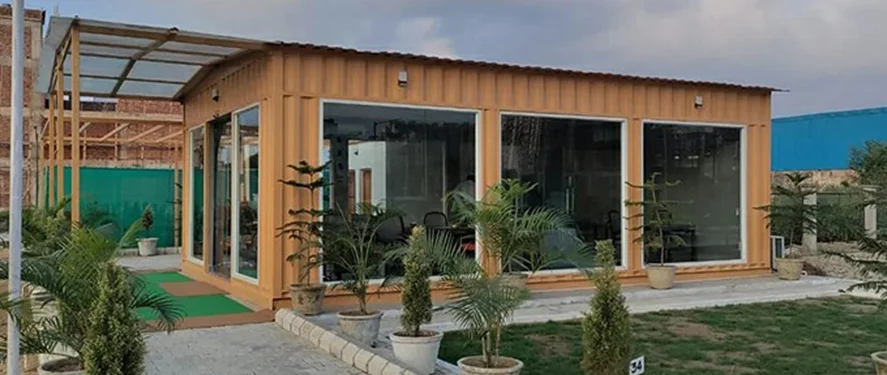
An office container is a prefabricated modular workspace built using containerized structural systems for temporary, movable, or semi-permanent office infrastructure. These units are commonly deployed at construction sites, industrial projects, infrastructure developments, mining locations, and remote operational zones where immediate office functionality is required.
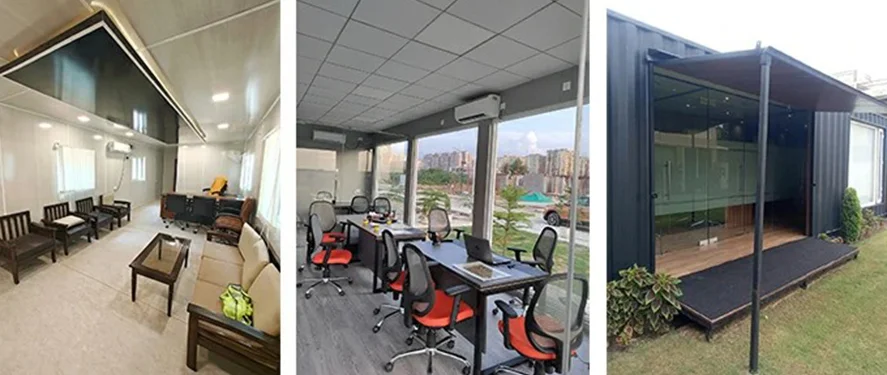
Unlike conventional site cabins with limited structural adaptability, modern container offices are often designed for electrical integration, HVAC accommodation, workstation planning, insulation requirements, meeting spaces, and workforce administration needs.
For industrial buyers, the key advantage is operational readiness. Instead of waiting for masonry construction, container offices can be manufactured, transported, positioned, and prepared for utility integration significantly faster depending on project scope and customization requirements.
Portable Office Container Solutions for Project Sites
Project sites rarely operate in static conditions. Office infrastructure often needs relocation, expansion, or phased deployment depending on execution schedules. Portable office containers are widely preferred in these situations because they simplify mobility while maintaining practical workspace usability.
Common Operational Scenarios
EPC Project Coordination Offices: Used for engineering teams, planning discussions, contractor coordination, documentation management, and project monitoring activities.
Construction Site Administration: Supports workforce attendance management, vendor coordination, billing documentation, safety meetings, and supervisor operations.
Infrastructure Corridor Projects: Useful for highway, railway, transmission, pipeline, and utility corridor projects where offices shift as work zones progress.
Industrial Expansion Projects: Factories undergoing expansion frequently require temporary administrative setups without disturbing permanent operations.
Because site realities vary significantly, many buyers request internal partitioning, workstation layouts, meeting cabins, washrooms, storage sections, and utility routing modifications during manufacturing itself.
Modular Container Office Configurations
Modular office containers are increasingly selected for scalable operational infrastructure because they allow phased expansion instead of full reconstruction.
Single Unit Office Setup
Suitable for:
- Site engineers
- Security supervisors
- Vendor management teams
- Temporary project monitoring
Multi-Container Workspace Systems
Large projects may combine multiple units for:
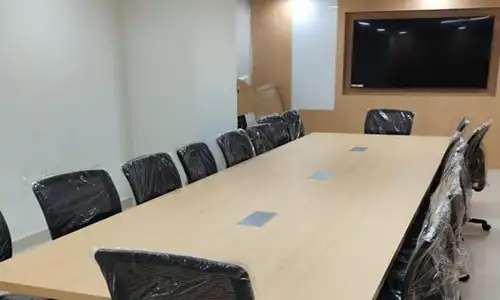
- Conference rooms
- Administration blocks
- HR offices
- Client meeting areas
- Documentation centers
Stackable Office Layouts
Where project space is limited, vertically arranged container offices may help optimize usable ground area depending on structural planning and site conditions.
Operationally, modular planning reduces future disruption. Additional units can often be integrated later instead of dismantling existing infrastructure entirely.
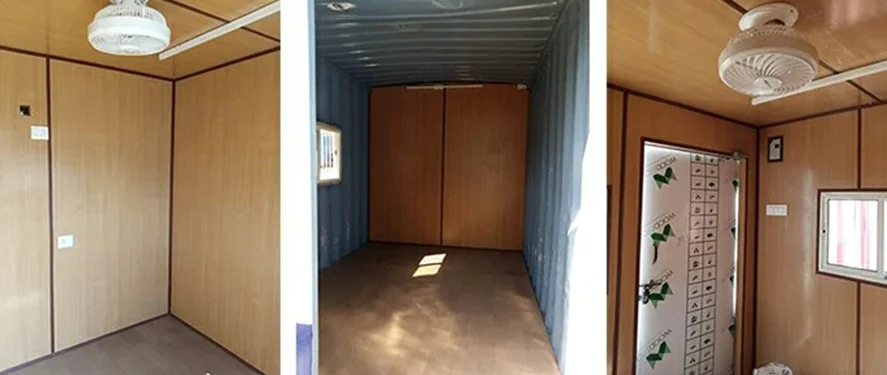
Prefabricated Office Containers for Fast Deployment
For Projects working against contractual deadlines, office infrastructure delays can directly affect coordination efficiency. Prefabricated office containers help reduce waiting periods associated with conventional temporary construction.
A properly planned prefab container office typically simplifies:
- Site mobilization
- Utility planning
- Workspace readiness
- Transportation coordination
- Future relocation possibilities
This becomes especially relevant in remote projects where labor availability, weather conditions, and temporary civil work can slow conventional setup methods.
In several industrial environments, buyers also evaluate related infrastructure products such as MS Cargo Container Solutions for combined storage and office deployment planning.
Applications in Real Use
Office containers are used across a broad range of operational environments where temporary or modular workspace infrastructure is commercially practical.
Real Deployment Examples
- Construction company project offices
- EPC contractor administration cabins
- Mining operation coordination centers
- Warehouse expansion offices
- Airport infrastructure project cabins
- Renewable energy project workspaces
- Industrial shutdown management offices
- Oil and gas temporary administration units
- Utility infrastructure monitoring offices
- Workforce documentation and compliance cabins
In many projects, these structures function as active operational control points rather than simple temporary shelters.
Industries Using This Product
Different industries use office containers differently depending on execution complexity, workforce movement, and project duration.
Frequently Served Sectors
- Construction and infrastructure
- EPC contracting
- Warehousing and logistics
- Energy and utilities
- Manufacturing and industrial expansion
- Oil and gas operations
- Aviation support projects
- Mining and extraction operations
- Renewable energy installations
- Real estate development projects
Companies handling distributed project execution often prefer modular office systems because operational mobility becomes easier compared to fixed Civil infrastructure.
Design and Customization Options
Container office requirements vary significantly between industries. A project monitoring cabin differs completely from a client-facing modular office or workforce administration unit.
Common Customization Areas
Internal Layout Planning
- Open workstation layouts
- Cabin partitioning
- Conference sections
- Reception spaces
- Document storage zones
Electrical Integration
- Internal wiring routing
- Lighting provisions
- Switchboards
- Equipment load planning
- Data connectivity pathways
Environmental Adaptation
- Insulation requirements
- Ventilation planning
- HVAC compatibility
- Weather exposure considerations
Exterior Modifications
- Window positioning
- Branding provisions
- Access stair integration
- Shade structures
- External cladding preferences
Customization planning is usually influenced by operational duration, workforce count, climate exposure, and transport restrictions.
Technical Considerations
Office containers used in industrial conditions should be evaluated beyond appearance alone. Several practical considerations directly affect operational usability.
Structural Stability
Container offices deployed in high-activity project environments may face:
- Frequent relocation
- Crane handling
- Uneven terrain
- Heavy equipment movement nearby
Structural durability becomes an important evaluation parameter.
Utility Coordination
Buyers should assess:
- Electrical load planning
- DG backup compatibility
- HVAC requirements
- Internet and surveillance routing
- Drainage integration if washrooms are included
Transportation Constraints: Road access, unloading conditions, site approach width, and crane availability may influence unit sizing decisions.
Environmental Exposure: High heat, dust-heavy industrial zones, coastal exposure, or high rainfall regions may require additional material and insulation considerations.
How to Choose the Right Office Container
Selecting the right container office depends more on operational workflow than on container dimensions alone.
Evaluate Project Duration: Short-duration projects may prioritize portability. Long-duration deployments may require higher interior comfort and expanded workspace planning.
Assess Workforce Usage: A site engineer cabin differs from a 30-person project coordination office. Workforce density affects ventilation, power planning, and layout efficiency.
Consider Future Relocation: Projects involving phased movement should prioritize modular adaptability and transport practicality.
Review Utility Dependencies: If the office will operate with servers, monitoring equipment, air-conditioning systems, or multiple workstations, electrical planning should be evaluated early.
Match Site Conditions: Remote terrain, heavy rainfall zones, industrial heat exposure, or confined urban sites all influence configuration choices differently.
Common Mistakes Buyers Make
Many procurement decisions focus only on initial Container cost while overlooking operational realities.
Ignoring Site Access Conditions: Large units may become difficult to transport or position at congested project locations.
Underestimating Electrical Requirements: Later modifications for HVAC systems or equipment loads can increase downtime and rework.
Choosing Inadequate Workspace Layouts: Poor planning often creates inefficient movement, cramped administration areas, or insufficient meeting space.
Overlooking Environmental Exposure: Heat-intensive or high-moisture environments may require additional insulation or ventilation planning.
Selecting Based Only on Immediate Need: Projects frequently expand. Completely fixed layouts can reduce future scalability.
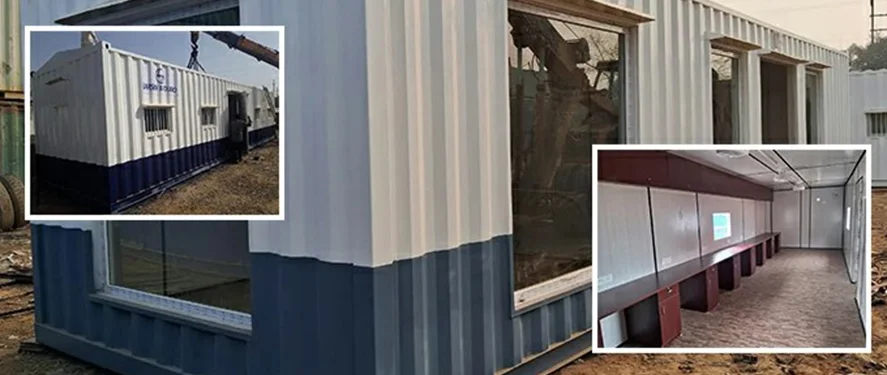
When This Product May Not Be Suitable
Office containers are practical for many operational situations, but they are not ideal for every requirement.
This solution may not be suitable when:
- Permanent architectural office buildings are mandatory
- Local regulatory restrictions prohibit temporary modular infrastructure
- Highly specialized controlled-environment facilities are required
- Large long-term corporate office campuses are planned
- Frequent heavy structural modifications are expected after deployment
In such cases, alternative infrastructure planning approaches may be more commercially practical.
Installation and Delivery Process
The deployment process usually depends on customization complexity, transportation logistics, site readiness, and utility requirements.
Typical Project Flow
Requirement Discussion: Workspace usage, workforce count, project duration, and utility requirements are evaluated.
Design and Manufacturing: Internal layout planning, fabrication, finishing, and integration requirements are finalized.
Transportation Coordination: Container movement planning considers route access, unloading conditions, and site restrictions.
Positioning and Utility Integration: Units are positioned and connected to required electrical or operational systems.
Operational Readiness: Interior setup, workstation arrangement, and final checks are completed before use.
Projects with urgent mobilization requirements often prioritize simpler configurations for faster operational activation.
Pricing and Cost Factors
Office container pricing varies depending on operational requirements rather than only physical size.
Major Cost Influencing Factors
- Container dimensions
- Interior layout complexity
- Insulation specifications
- Electrical integration scope
- HVAC compatibility
- Interior finishing preferences
- Washroom integration
- Transportation distance
- Crane and unloading requirements
- Multi-unit modular configurations
Projects requiring heavy customization or specialized environmental adaptation generally involve different commercial considerations compared to standard site office setups.
Why Businesses Choose UNO Structures
Industrial buyers evaluating container office suppliers often prioritize execution reliability, customization flexibility, and deployment understanding instead of brochure-style presentation alone.
UNO Structures combines manufacturing capability with practical project execution understanding developed through work across industrial, infrastructure, warehousing, healthcare, EPC, and construction environments.
With over 15 years of operational experience, 900+ completed projects, and service support across multiple sectors, the company has worked with organizations including DLF, MAX Healthcare, Larsen & Toubro, Delhivery, Tata Power Solar, Reliance Industries Limited, Toshiba, Air India, Samsung Electronics, NCC Limited, and thyssenkrupp.
The company supports end-to-end coordination including design discussion, manufacturing, customization planning, supply, and project execution support depending on operational scope.
Additional company background and operational capabilities can be explored through the Company profile section.
Common Buyer Questions Before Purchase
1. Can office containers be relocated after deployment?
Yes. Many office containers are designed for relocation depending on structural configuration, transportation access, and site handling conditions. Buyers planning phased projects often prioritize modular mobility during the initial design stage.
2. Is insulation necessary for container offices?
It depends on climatic exposure, workforce occupancy, and operational duration. High-temperature zones, enclosed office operations, and air-conditioned environments typically require better insulation planning for practical usability.
3. Can meeting rooms and washrooms be included?
Yes. Many industrial buyers request partitioned meeting cabins, pantry spaces, attached washrooms, and document storage sections based on operational workflow requirements.
4. Are office containers suitable for long-duration deployment?
They are widely used for medium- and long-duration project operations where modular infrastructure flexibility is commercially beneficial. Suitability depends on usage intensity, maintenance planning, and environmental conditions.
5. What should buyers prepare before installation?
Site leveling, electrical readiness, unloading access, crane coordination, and utility planning should ideally be assessed before dispatch to reduce operational delays during deployment.
Get Office Container for Your Project
When project execution timelines are active, waiting for permanent office infrastructure can slow coordination, documentation management, workforce administration, and decision-making activities.
UNO Structures manufactures customized office containers from its Greater Noida operations with supply capability across India for industrial, infrastructure, EPC, warehousing, and project-site requirements.
Whether you need a compact site office, modular workforce administration setup, or multi-container project coordination workspace, the team can support practical planning based on operational realities, deployment conditions, and customization requirements.
For project discussions, customization consultation, and requirement planning, connect through the Contact page.