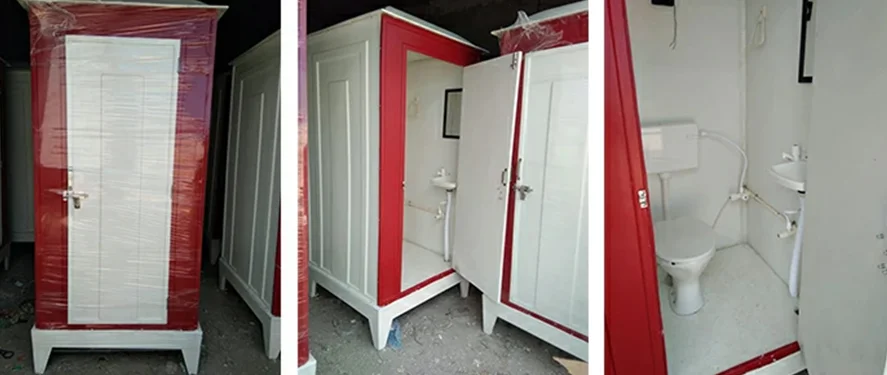
Portable Bio Toilet
Portable bio toilet systems are modular sanitation units designed for locations where permanent restroom infrastructure is unavailable, impractical, delayed, or operationally restrictive. These units are commonly deployed at construction projects, labour accommodation areas, infrastructure sites, public events, industrial operations, highways, and temporary utility zones requiring hygienic and movable restroom access.
When workforce movement increases but sanitation infrastructure is missing, project execution often suffers through compliance issues, operational discomfort, site hygiene problems, and utility limitations. That is where portable sanitation systems become operationally necessary rather than optional.
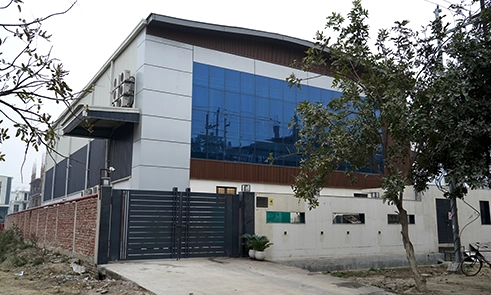
UNO Structures manufactures portable bio toilet units from its Greater Noida manufacturing base and supports pan India project requirements with customization flexibility based on site conditions, mobility requirements, user capacity, and deployment environments. The company works with construction contractors, EPC companies, industrial facilities, infrastructure developers, event operators, and workforce accommodation projects requiring quick-install sanitation infrastructure that can function effectively in temporary or semi-permanent environments.
Depending on project scope, units may be configured for standalone deployment, multi-cabin layouts, Container-linked sanitation blocks, or workforce hygiene infrastructure integrated with broader modular site setups. Natural internal integration with the company’s broader container infrastructure portfolio can also be explored through the main platform at UNO Structures.
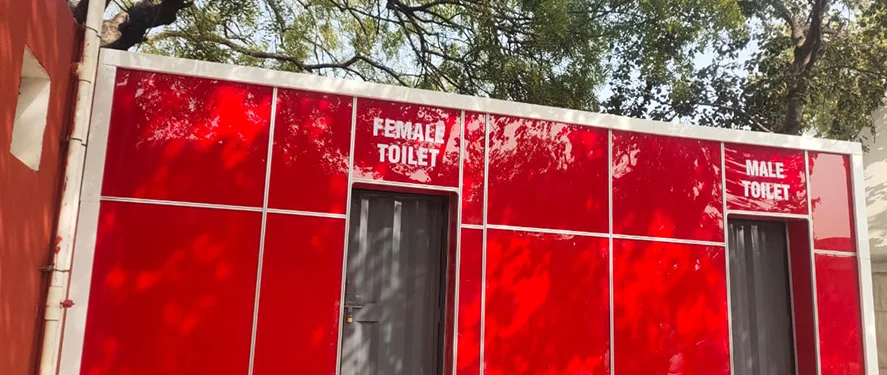
What is Portable Bio Toilet
A portable bio toilet is a movable sanitation unit designed for locations where fixed sewer-connected restroom infrastructure is not feasible or immediately available. These systems are commonly used for temporary workforce accommodation, project-site operations, infrastructure execution zones, public utility deployment, and mobile sanitation requirements where hygiene access must be established quickly.
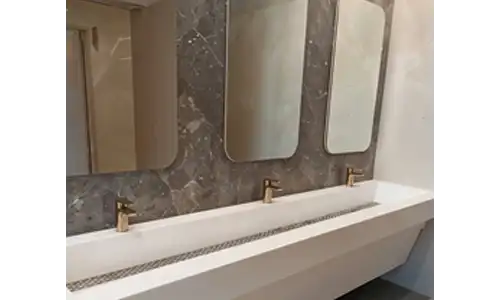
Unlike conventional masonry toilet construction, portable bio toilet cabins are factory-manufactured modular units that can be transported, positioned, relocated, and operationalized with relatively lower site disruption. Depending on deployment requirements, units may include toilet fixtures, ventilation systems, water arrangements, waste management integration, anti-corrosion structures, and easy-clean interior layouts.
For many Project managers, the practical advantage is operational continuity. Instead of waiting for Civil restroom development, sanitation access can be deployed alongside early-stage project execution activities.
Portable Toilet Cabin Solutions for Construction Projects
Construction environments create constantly changing workforce movement patterns. Site layouts shift, workforce density changes phase-wise, and utility availability is often inconsistent during early project execution stages.
Portable toilet cabins help address several operational issues:
Workforce Hygiene During Early Project Stages
Large projects often begin before permanent utility infrastructure becomes functional. Portable sanitation cabins allow contractors to establish basic hygiene infrastructure immediately after site mobilization.
Reduced Civil Dependency
Temporary projects or short-duration execution sites may not justify full civil restroom construction. Modular sanitation deployment reduces excavation, masonry work, and long-term site alterations.
Relocation Flexibility
As work zones shift across large infrastructure or industrial sites, portable toilet units can be repositioned based on operational requirements.
Deployment in Restricted Terrain
Remote locations, mining areas, highway stretches, temporary camps, and utility corridors often face civil infrastructure constraints. Portable systems simplify deployment in such environments.
Mobile Sanitation Infrastructure for Workforce Accommodation
Portable bio toilets are frequently used alongside labour colonies, portable housing setups, prefab site offices, and temporary accommodation infrastructure.
In workforce-intensive industries, sanitation planning directly impacts operational management. Insufficient hygiene facilities often create workforce dissatisfaction, maintenance complications, and site-management pressure.
Common Deployment Scenarios
- Labour accommodation camps
- Highway infrastructure projects
- Railway execution corridors
- Oil and gas support locations
- Renewable energy project sites
- Temporary industrial shutdown operations
- Festival and public gathering utilities
- Disaster-response and emergency infrastructure zones
Operational Considerations Buyers Usually Evaluate
Procurement and project teams typically assess:
- User capacity requirements
- Cleaning access
- Water availability
- Relocation frequency
- Site terrain conditions
- Drainage arrangements
- Transport accessibility
- Maintenance practicality
- Weather exposure conditions
This evaluation becomes especially important when deployment timelines are compressed or workforce density is expected to increase rapidly.
Portable Restroom Cabins for Events and Public Utility Use
Event operators and public utility contractors often require sanitation infrastructure that can be installed quickly without permanent site modification.
Portable restroom cabins support:
- Temporary event infrastructure
- Religious gathering utilities
- Exhibition grounds
- Sports events
- Public administration projects
- Transit infrastructure support
- Outdoor operational camps
In these environments, ease of cleaning and visitor movement becomes equally important as structural durability. Layout planning, entry accessibility, ventilation, and servicing logistics usually influence configuration decisions more than structural size alone.
Applications in Real Use
Portable bio toilet units are used across multiple operational environments where sanitation infrastructure must be established quickly and maintained with manageable servicing requirements.
Construction and EPC Projects: Large construction sites often require distributed sanitation access across different activity zones rather than a single centralized restroom block.
Industrial Shutdown and Maintenance Projects: Factories undergoing temporary shutdown operations may require additional mobile sanitation facilities for contractor workforce expansion during maintenance periods.
Infrastructure Corridors: Highway, metro, transmission, railway, and utility projects frequently operate across long-distance stretches where fixed restroom infrastructure is unavailable.
Temporary Commercial Operations: Retail events, exhibitions, field offices, and promotional infrastructure setups may need short-duration sanitation deployment without permanent construction.
Industries Using This Product
Portable sanitation infrastructure is commonly used by:
- EPC contractors
- Infrastructure developers
- Construction companies
- Industrial manufacturing units
- Mining operators
- Logistics infrastructure projects
- Renewable energy projects
- Event management companies
- Government utility contractors
- Workforce accommodation providers
Organizations operating distributed or temporary work environments typically prioritize mobility, hygiene management, and installation simplicity during procurement.

Design and Customization Options
Portable bio toilet requirements vary significantly depending on deployment conditions, user volume, maintenance frequency, and transport limitations.
UNO Structures supports customization based on practical site requirements rather than fixed standard-only configurations.
Structural Configuration Options
- Single-user cabins
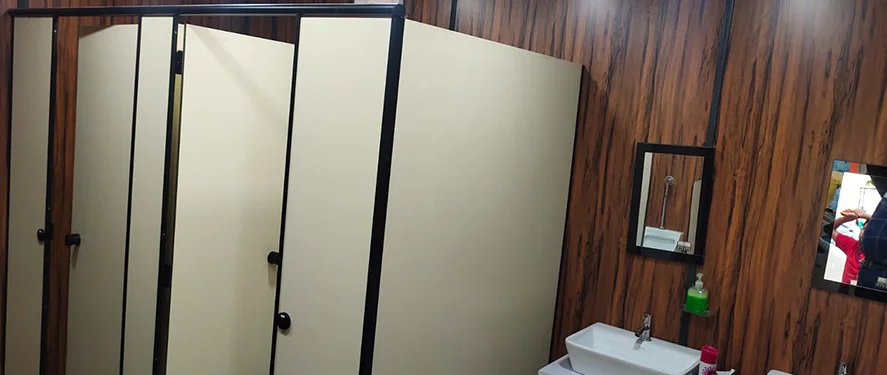
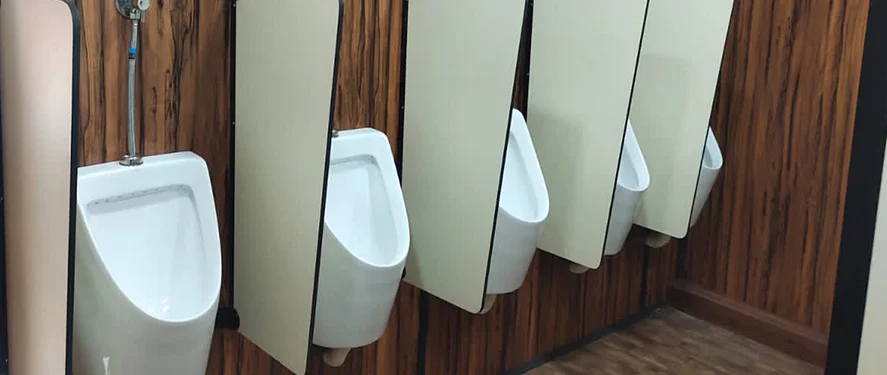
- Multi-unit sanitation blocks
- Gender-segregated layouts
- Combined wash and toilet cabins
- Integrated handwash areas
- Container-mounted sanitation setups
Material and Utility Considerations
Depending on project conditions, buyers may evaluate:
- Corrosion resistance
- Easy-clean interior surfaces
- Ventilation arrangements
- Flooring suitability
- Water tank integration
- Plumbing layouts
- Mobility support systems
- Anti-slip usage areas
Projects located in high-dust, high-rainfall, or remote operational zones often require additional focus on maintenance accessibility and durability.
For Projects evaluating integrated sanitation infrastructure with broader modular deployment systems, related solutions can also be explored through Portable Bio Toilet Solutions.
Technical Considerations
Before finalizing portable sanitation infrastructure, project teams should evaluate operational realities beyond basic cabin dimensions.
Transport Accessibility: Cabin size selection should align with transport route conditions, crane accessibility, and unloading limitations at the final site location.
Water and Waste Management Planning: Portable toilet performance depends heavily on practical servicing arrangements. Buyers should assess:
- Water refill accessibility
- Drainage planning
- Septic integration possibilities
- Cleaning frequency
- Servicing logistics
Environmental Exposure: Projects in coastal, high-humidity, or remote dusty environments may require additional material consideration and maintenance planning.
User Load Estimation: Undersized deployment creates maintenance pressure and hygiene issues. User volume projections should align with actual workforce occupancy.
How to Choose the Right Portable Bio Toilet
Choosing the correct unit depends more on operational usage than appearance.
A suitable configuration should match workforce density, deployment duration, mobility expectations, servicing frequency, and environmental exposure conditions. Buyers selecting units purely on upfront cost often encounter long-term operational issues related to maintenance, hygiene management, or relocation practicality.
Questions Procurement Teams Usually Consider
- Is the project temporary or semi-permanent?
- Will the unit need relocation?
- How many users per day are expected?
- Is regular cleaning support available?
- Will the site have water access?
- Does the terrain restrict transportation?
- Is the deployment for industrial or public use?
The right selection approach usually balances operational practicality with maintenance feasibility.
Common Mistakes Buyers Make
Ignoring Servicing Logistics: Many buyers focus only on structure size while overlooking waste management and cleaning accessibility.
Underestimating User Capacity: Low-capacity deployment in workforce-heavy environments leads to faster deterioration and hygiene management problems.
Selecting Non-Relocatable Configurations: Projects with changing layouts may require mobile-friendly configurations rather than fixed-placement designs.
Overlooking Environmental Conditions: Exposure to moisture, dust, heavy usage, or transportation vibration can affect long-term usability if structural suitability is not evaluated correctly.
When This Product May Not Be Suitable
Portable bio toilet systems may not be ideal for every environment.
They may be less suitable when:
- Permanent civil infrastructure already exists
- High-end architectural restroom aesthetics are mandatory
- Extremely large public capacity is required continuously
- Underground utility integration is already available
- Highly specialized medical sanitation standards are needed
In long-duration permanent facilities, conventional infrastructure development may sometimes be operationally preferable depending on project economics and usage intensity.
Installation and Delivery Process
Portable sanitation deployment generally begins with requirement assessment covering user load, placement conditions, utility access, transport limitations, and expected deployment duration.
Typical execution stages include:
- Requirement discussion
- Configuration planning
- Manufacturing and customization
- Transport coordination
- Site unloading and placement
- Utility integration support
- Operational handover
For urgent infrastructure requirements, project coordination efficiency becomes critical, especially where construction schedules or workforce mobilization timelines are already active.
UNO Structures supports pan India supply depending on project scope and operational feasibility from its Greater Noida manufacturing operations.
Pricing and Cost Factors
Portable bio toilet pricing varies depending on multiple operational and structural variables rather than a single standard rate.
Major influencing factors include:
- Cabin size
- Number of units
- Material specifications
- Utility integration
- Internal fittings
- Mobility requirements
- Transport distance
- Project scale
- Customization complexity
Projects requiring higher durability, integrated water arrangements, or specialized layouts may involve different cost structures compared to basic temporary deployment units.
For procurement teams, evaluating total operational suitability is generally more effective than comparing only upfront procurement cost.
Why Businesses Choose UNO Structures
Industrial buyers often prefer working with manufacturers capable of supporting both product customization and execution-stage coordination.
UNO Structures brings over 15 years of industry experience with exposure across construction, infrastructure, industrial, warehousing, and project-driven environments. The company has supported more than 900 completed projects and served 400+ clients across varied operational sectors.
The organization’s experience includes project exposure associated with companies such as DLF, MAX Healthcare, Larsen & Toubro, Tata Power Solar, NCC Limited, Reliance Industries Limited, Delhivery, Toshiba, Afcons Infrastructure Limited, Samsung Electronics, and Noida International Airport among others.
Beyond product manufacturing, the company also supports broader modular infrastructure ecosystems including portable cabins, office containers, workforce accommodation infrastructure, containerized setups, and project utility requirements. Additional company background can be explored through the About UNO Structures page.
Common Buyer Questions Before Purchase
1. Can portable bio toilets be shifted between multiple project sites?
Yes. Many project operators use portable sanitation units specifically because they can be relocated as work zones change. However, transport planning, lifting arrangements, and structural suitability should be evaluated during configuration selection.
2. Are these suitable for remote infrastructure projects?
They are commonly deployed in remote and temporary project environments where permanent restroom construction is difficult or operationally impractical. Utility planning and servicing arrangements remain important for long-duration deployment.
3. Can multiple toilet cabins be connected together?
Yes. Depending on operational requirements, modular layouts can be planned with multiple cabins, handwash areas, or workforce sanitation blocks integrated into a larger setup.
4. How important is maintenance planning?
Maintenance planning is critical. Even durable structures perform poorly if servicing frequency, drainage arrangements, and cleaning logistics are not planned correctly.
5. Are portable sanitation cabins useful for short-term events?
Yes. Event organizers often prefer modular restroom deployment because installation is faster and site modification requirements are lower compared to permanent construction.
6. What affects delivery planning most?
Project location accessibility, transport route conditions, unloading support, and unit dimensions are usually the biggest operational factors affecting deployment coordination.
Get Portable Bio Toilet for Your Project
If your project requires fast sanitation deployment, movable workforce hygiene infrastructure, or temporary restroom facilities for construction, infrastructure, industrial, or public utility operations, UNO Structures can support requirement planning and modular deployment coordination based on actual site conditions.
From Greater Noida manufacturing operations to pan India project supply capability, the company supports practical sanitation infrastructure aligned with operational realities rather than one-size-fits-all configurations.
For ongoing projects, urgent mobilization requirements, workforce accommodation setups, or customized sanitation layouts, discuss your requirement with the team through the Contact Page.