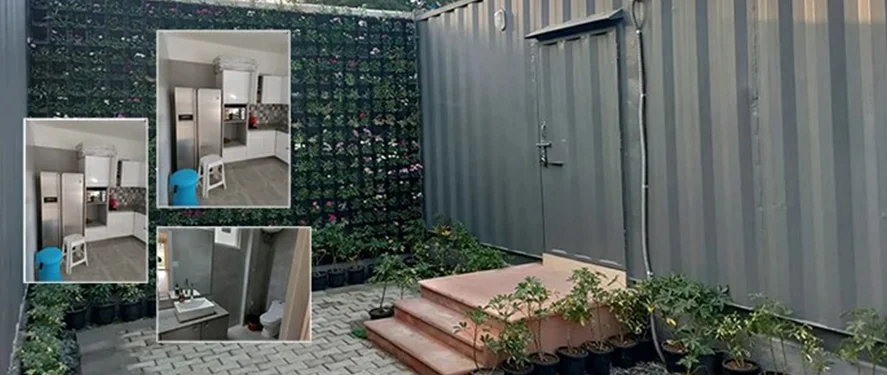
Prefabricated Container Home
Modern projects often face a familiar problem — conventional construction takes time, depends heavily on site conditions, and can delay occupancy planning. A prefabricated container home provides a faster alternative for residential deployment where speed, portability, and modular expansion matter. These structures are increasingly used for farmhouse setups, remote accommodation, vacation stays, temporary residential projects, and operational housing requirements.
UNO Structures, a Greater Noida-based manufacturer, supplies customized containerized housing solutions across India for commercial, infrastructure, institutional, and project-linked requirements. Through UNO Structures, businesses and project owners can access design support, fabrication coordination, modular customization, and deployment planning for container-based residential infrastructure.
Unlike generic portable units, these modular homes are designed around actual usage conditions such as utility integration, insulation needs, transportation limitations, climatic exposure, occupancy requirements, and future scalability planning.
What is Prefabricated Container Home
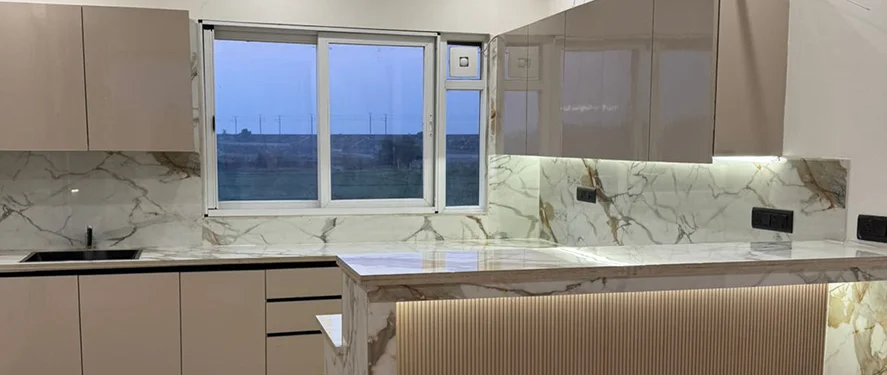
A Prefabricated container home is a modular residential structure manufactured using containerized steel frameworks and pre-engineered construction methods. These homes are fabricated off-site and transported for installation with integrated provisions for living spaces, electrical systems, ventilation, insulation, flooring, washrooms, kitchens, and utility connectivity.
Compared to conventional brick-and-mortar construction, container-based housing enables faster setup, reduced on-site disruption, and flexible relocation possibilities. Depending on project requirements, layouts may include studio units, multi-room residences, workforce accommodation blocks, site housing, guest stays, or premium modular living spaces.
For projects requiring controlled timelines, difficult site access, or phased expansion capability, prefab container homes often simplify deployment planning significantly.
Modular Container Home Solutions for Modern Residential Use
Residential expectations have changed considerably over the last few years. Buyers now look for deployable housing systems that balance structural practicality with usable living comfort.
Single-Unit Residential Configurations
These are commonly selected for:
- Farmhouse retreats
- Security-linked living units
- Remote property accommodation
- Weekend homes
- Site caretaker housing
Compact layouts help optimize transportation and installation while maintaining essential residential functionality.
Multi-Container Residential Structures
Larger modular configurations are typically preferred for:
- Resort developments
- Institutional accommodation
- Workforce residential clusters
- Rental housing projects
- Extended family living spaces
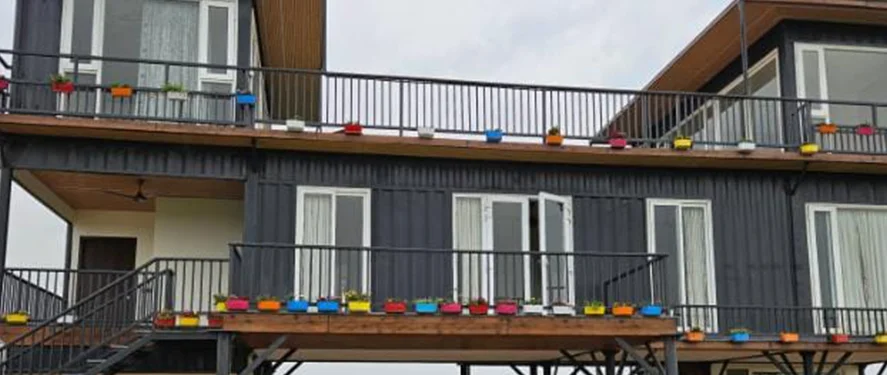
Multiple container modules can be combined vertically or horizontally depending on land availability and usage planning.
Portable Yet Structurally Stable Housing
One important advantage of containerized homes is mobility planning. Certain projects require future relocation flexibility due to leased land usage, temporary operational tenure, or phased infrastructure development. In such situations, modular container homes become operationally practical compared to permanent civil construction.
Prefabricated Container Home for Fast Project Deployment
Delays in civil construction often affect operational schedules, workforce planning, and project occupancy readiness. This is one reason many infrastructure and commercial buyers shift toward prefab residential deployment systems.
A prefabricated container home allows substantial off-site fabrication before transportation to the project location. This reduces dependency on prolonged on-site construction activity and minimizes coordination challenges linked to labor availability, weather interruptions, or remote-site construction limitations.
For urgent accommodation requirements in infrastructure corridors, industrial developments, renewable energy projects, or remote operational zones, faster deployment becomes a major decision factor.
Container-Based Housing with Utility Integration
Residential usability depends heavily on practical utility planning rather than external appearance alone.
Electrical Planning
Proper electrical routing is essential for:
- Air-conditioning support
- Lighting distribution
- Appliance loads
- Backup power integration
- Safety isolation systems
Plumbing and Water Connectivity
Container homes often require careful water flow planning due to compact layouts. Drainage slope, tank placement, and external utility access must align with actual installation conditions.
Ventilation and Thermal Control
Poor thermal planning is one of the biggest operational failures in low-quality modular housing setups. Depending on deployment region, insulation layers, airflow management, window positioning, and roofing systems may significantly affect long-term usability.
Applications in Real Use
A prefabricated container home is now used across multiple deployment environments beyond temporary housing alone.
Residential and Farmhouse Installations: Buyers looking for faster residential setups on private land frequently use modular container homes for weekend stays, expandable living units, and future-ready property development.
Remote Project Accommodation: Infrastructure, mining, renewable energy, and EPC projects often require residential accommodation in locations where conventional construction becomes operationally difficult.
Tourism and Hospitality Projects
Container-based hospitality units are increasingly deployed for:
- Eco-resorts
- Glamping projects
- Highway stay concepts
- Tourism accommodation clusters
- Adventure property developments
Institutional and Temporary Residential Requirements: Educational institutions, healthcare expansion projects, and temporary operational campuses may require scalable accommodation solutions with reduced setup timelines.
Industries Using This Product
Different sectors use containerized housing for different operational reasons.
- EPC contractors managing remote projects
- Infrastructure companies requiring temporary accommodation
- Industrial operators needing site-linked housing
- Hospitality developers building modular stay concepts
- Institutional projects requiring scalable residential blocks
- Renewable energy projects operating in isolated regions
- Construction companies managing workforce residential needs
Because deployment conditions vary significantly across industries, customization capability becomes more important than standardized layouts alone.
Design and Customization Options
No two residential projects operate under identical conditions. This is why customization planning plays a central role in prefab container home execution.
Interior Layout Flexibility
Depending on occupancy planning, units may include:
- Bedrooms
- Pantry areas
- Washrooms
- Workspaces
- Lounge sections
- Utility storage
- Dining zones
Exterior Treatment Options
Exterior finishes may vary based on environmental exposure and project aesthetics. Industrial deployments typically prioritize durability, while hospitality or residential projects often focus more on visual presentation.
Window and Access Planning
Improper door-window placement can affect airflow, privacy, sunlight control, and furniture usability. Real-world operational planning matters more than visual design alone.
Expandable Modular Planning
Some buyers initially deploy smaller units with future expansion planning already integrated into the structural concept.
Technical Considerations
Before selecting a modular residential structure, buyers should evaluate actual site and operational conditions rather than only comparing dimensions.
Transportation Accessibility: Container dimensions directly affect transportation feasibility. Narrow approach roads, hilly access zones, overhead clearance restrictions, and unloading space availability can influence structural planning.
Foundation Requirements: Ground conditions determine support planning. Site leveling, anchoring requirements, and structural stability must align with installation conditions.
Climatic Exposure: Heat exposure, rainfall intensity, coastal conditions, and dust-heavy industrial environments can affect insulation selection, exterior treatment, and ventilation planning.
Occupancy Load Expectations: Residential comfort requirements differ substantially between temporary workforce accommodation and long-term family usage. Material selection and internal planning should reflect expected occupancy patterns.
How to Choose the Right Prefabricated Container Home
Choosing the right modular housing setup depends less on appearance and more on operational suitability.
Define Actual Usage Duration: A temporary project accommodation setup may require different specifications than a permanent residential deployment.
Understand Utility Availability: Water supply, drainage access, electrical load availability, and sewage connectivity directly influence design feasibility.
Plan for Future Expansion: Many buyers underestimate future occupancy changes. Expansion-ready planning can reduce future modification costs significantly.
Evaluate Transportation Conditions Early: Transportation limitations discovered late in the process often create redesign delays and additional handling costs.
Compare Customization Capability: Not every supplier supports practical layout customization or project-specific engineering adjustments.
Common Mistakes Buyers Make
Several avoidable mistakes increase operational issues after installation.
Choosing Only on Initial Cost: Low-cost structures without proper insulation, ventilation, or utility planning may create long-term usability problems.
Ignoring Site Conditions: Uneven terrain, drainage problems, and restricted unloading access often complicate installation.
Underestimating Power Requirements: Air-conditioning loads, appliance usage, and backup systems should be evaluated during planning rather than after installation.
Overlooking Maintenance Accessibility: Certain designs create difficulty in accessing utility lines, electrical systems, or plumbing maintenance points later.
When This Product May Not Be Suitable
Although modular container housing works well in many deployment scenarios, it may not suit every project.
This solution may require additional evaluation when:
- Extremely large permanent residential complexes are planned
- Local regulatory restrictions limit modular construction
- Sites lack transportation accessibility
- Heavy architectural modification is required beyond modular practicality
- Long-term underground utility dependency becomes critical
In such cases, hybrid construction planning or alternative structural systems may be more practical.
Installation and Delivery Process
A properly managed prefab housing project depends heavily on coordination between manufacturing, transportation, utility planning, and site readiness.
The typical process includes:
- Requirement discussion and layout planning
- Design and customization evaluation
- Manufacturing coordination at the Greater Noida facility
- Surface treatment and utility preparation
- Transportation scheduling
- Site unloading and positioning
- Utility integration and finishing support
For urgent infrastructure or operational projects, pre-planned site readiness can significantly reduce deployment delays.
Pricing and Cost Factors
Prefab container home pricing varies based on multiple operational and customization factors rather than only structure size.
Important pricing variables include:
- Structural dimensions
- Insulation requirements
- Interior finish expectations
- Washroom and kitchen integration
- Electrical specifications
- HVAC planning
- Transportation distance
- Site accessibility
- Multi-unit stacking requirements
- Exterior finish selections
Projects involving difficult transportation conditions or specialized residential specifications may require additional planning considerations.
Why Businesses Choose UNO Structures
Residential modular deployment requires more than fabrication capability alone. Buyers typically evaluate execution understanding, customization flexibility, manufacturing reliability, and practical deployment support before finalizing suppliers.
UNO Structures brings over 15 years of experience across prefabricated infrastructure, portable structures, containerized systems, and project-oriented modular solutions. With manufacturing operations in Greater Noida and Project support capability across India, the company supports both standardized and customized residential container requirements.
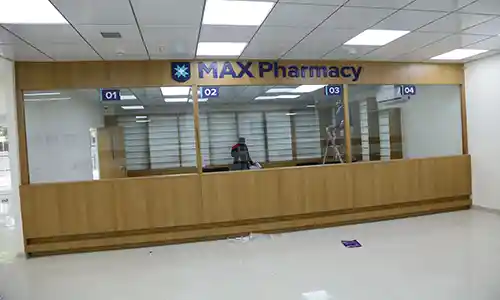
The company has delivered infrastructure and execution support for organizations including DLF, MAX Healthcare, Larsen & Toubro, Delhivery, Tata Power Solar, Toshiba, Afcons Infrastructure Limited, Air India, Reliance Industries Limited, and Noida International Airport.
Additional company background, operational capability, and infrastructure experience can be explored through the About UNO Structures page.
Buyers evaluating related modular residential systems can also review the dedicated Prefabricated Container Home solutions page for project-specific reference.
Common Buyer Questions Before Purchase
1. Can container homes be used for long-term residential living?
Yes, provided the structure is designed with appropriate insulation, ventilation, utility integration, and occupancy planning. Long-term usability depends more on execution quality and environmental suitability than the container framework itself.
2. Is site preparation required before delivery?
Yes. Site leveling, unloading access, utility readiness, and foundation preparation usually need to be completed before installation to avoid deployment delays.
3. Can multiple container homes be connected together?
Yes. Modular integration allows multiple units to be combined horizontally or vertically depending on layout planning, structural feasibility, and site conditions.
4. Are prefab container homes suitable for remote project locations?
They are commonly used in remote infrastructure and industrial projects because large portions of fabrication are completed before transportation, reducing extensive on-site construction dependency.
5. How are electrical and plumbing systems managed?
Electrical routing and plumbing systems are integrated during fabrication planning based on usage requirements, occupancy expectations, and utility access conditions at the project site.
6. Can the interiors be customized for premium residential use?
Yes. Layouts, finishes, utility integration, partitions, flooring, windows, and interior planning can be customized depending on residential expectations and project scope.
7. What affects the overall project cost most?
Customization scope, insulation requirements, transportation complexity, utility integration, and interior finish expectations usually influence pricing more than container size alone.
8. How early should buyers start planning for urgent deployment projects?
Early planning helps avoid transportation, utility coordination, and site-readiness delays. For urgent project accommodation requirements, design and operational discussions should begin before site mobilization stages.
Get Prefabricated Container Home for Your Project
If your project requires faster residential deployment, modular accommodation planning, or customized container-based living infrastructure, UNO Structures supports practical execution-oriented solutions designed around actual operational conditions.
From Greater Noida manufacturing operations to pan-India project supply capability, the company supports residential container deployments for infrastructure projects, institutional accommodation, hospitality setups, workforce housing, and modular living requirements.
Urgent project timelines, remote deployment environments, and phased expansion requirements often need early planning coordination.
Explore project discussions or connect with the team through the UNO Structures Contact Us page.