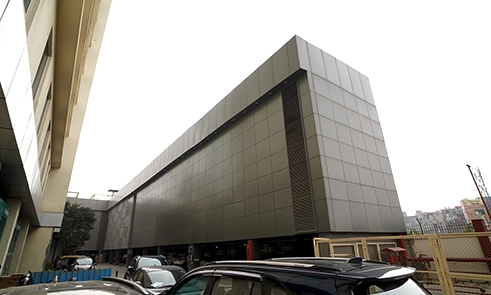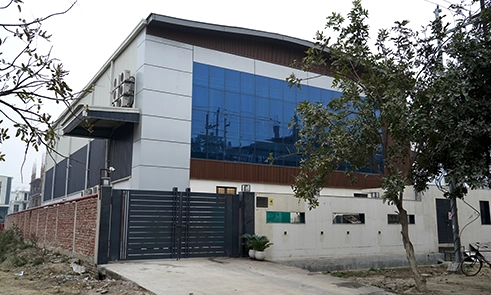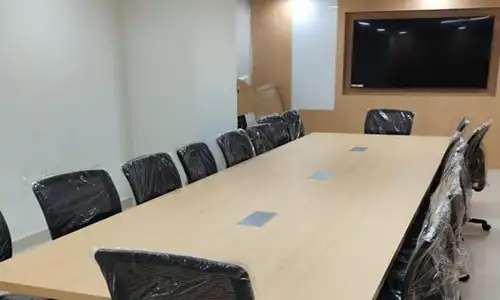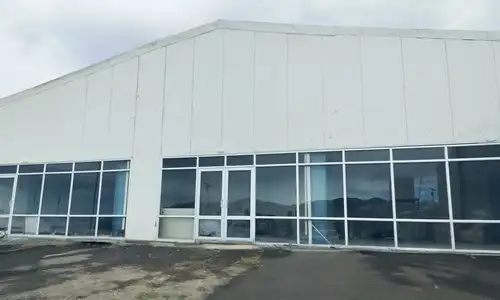
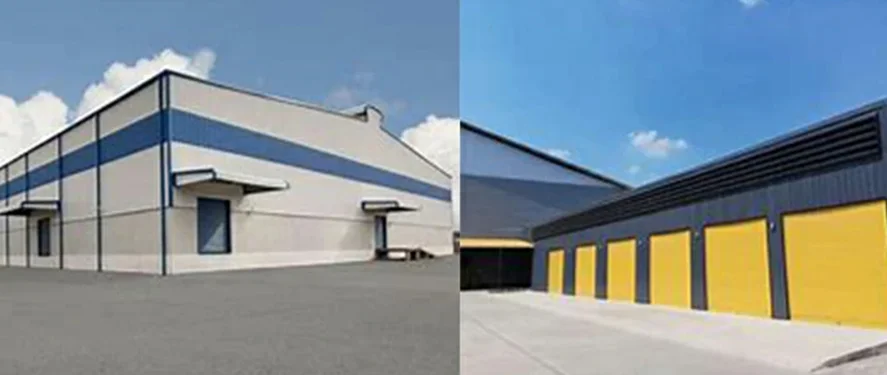
Steel Prefabricated Warehouse
Industrial storage delays can disrupt procurement schedules, dispatch timelines, raw material management, and project execution. A steel prefabricated warehouse helps businesses establish storage and operational infrastructure faster compared to conventional construction while maintaining structural durability, large-span usability, and customization flexibility for industrial workflows.
UNO Structures, a Greater Noida-based manufacturer and infrastructure solutions company, supplies customized steel warehouse systems across India for industrial, logistics, commercial, and project-based applications. From storage planning and structural fabrication to installation coordination and expansion-ready layouts, the company supports businesses requiring execution-oriented warehouse infrastructure for operational continuity. Explore more about UNO Structures and its industrial infrastructure capabilities.
What is Steel Prefabricated Warehouse
A steel prefabricated warehouse is a factory-manufactured structural storage building system fabricated using engineered steel components that are assembled at the deployment site. These structures are commonly used for inventory storage, logistics operations, raw material handling, industrial goods management, equipment protection, and commercial warehousing requirements.
Unlike conventional RCC-heavy construction approaches, prefab warehouse systems are developed for faster installation coordination, scalable expansion planning, and efficient large-span storage utilization. Industrial buyers often choose these structures when project timelines, operational continuity, and storage flexibility become critical execution concerns.
The structural framework generally includes:
- Steel columns and rafters
- Roofing systems
- Wall cladding
- Ventilation provisions
- Loading access planning
- Utility integration compatibility
- Mezzanine or sectional storage possibilities depending on project scope
For companies managing fluctuating inventory movement or fast-expanding operational requirements, this approach helps reduce prolonged site disruption during infrastructure development.

Industrial Steel Warehouse Systems for Fast Operational Deployment
Warehouse requirements frequently emerge under operational pressure. Businesses may need additional storage during plant expansion, seasonal inventory accumulation, logistics scaling, or EPC project execution.
In such cases, prefabricated steel warehouses help reduce construction dependency delays associated with conventional building cycles.
Suitable Deployment Scenarios
- Manufacturing unit storage expansion
- Industrial inventory holding
- E-commerce and logistics warehousing
- Construction material storage
- Spare parts and equipment protection
- Temporary project warehousing
- Distribution center support infrastructure
- Factory dispatch management zones
Businesses handling multi-location operations also prefer modular warehouse planning because future extensions can be integrated more practically compared to rigid civil-heavy layouts.
Steel Prefabricated Warehouse for Industrial Storage Optimization
Storage infrastructure is no longer only about covered space. Modern warehouse planning must support operational movement, loading efficiency, material segregation, forklift circulation, ventilation management, and future scalability.
A poorly planned warehouse often creates operational bottlenecks long after installation.
Important Planning Considerations
Internal Movement Efficiency
Wide-span layouts help improve movement of:
- Pallet systems
- Material handling equipment
- Industrial racks
- Packaging operations
- Loading vehicles
Vertical Storage Utilization
Warehouse height planning affects:
- Rack installation capability
- Inventory density
- Material stacking efficiency
- Crane or lifting support possibilities
Site Condition Compatibility
Industrial sites may involve:
- Uneven terrain
- Remote project locations
- High dust exposure
- Heat-intensive environments
- Heavy rainfall conditions
Structural planning must align with actual deployment conditions instead of standard generic layouts.
Prefabricated Warehouse Structures for Logistics and Distribution Operations
Logistics-focused buyers often prioritize operational flow more than architectural appearance. The structure must support rapid movement cycles, vehicle access planning, loading coordination, and inventory turnover efficiency.
A steel prefabricated warehouse becomes especially useful when businesses require:
- Large clear-span storage
- Dock-side operational access
- Temporary-to-permanent storage transition
- Expansion-ready infrastructure
- Reduced site construction dependency
For growing supply chain operations, warehouse infrastructure must also accommodate future changes in inventory behavior and operational scale.
Businesses evaluating integrated industrial infrastructure may also review related steel prefabricated warehouse solutions for project-specific execution planning.
Applications in Real Use
Industrial warehouse requirements vary significantly depending on operational workflow, inventory nature, and project lifecycle.
Common Real-World Usage Environments
- Factory raw material storage
- FMCG dispatch warehousing
- Industrial equipment holding
- EPC project storage yards
- Airport project support infrastructure
- Temporary logistics hubs
- Construction material warehousing
- Packaging and distribution facilities
- Commercial inventory management
- Automotive component storage
In project-driven sectors, rapid deployment often becomes more important than decorative architectural construction because delayed storage readiness directly affects execution schedules.
Industries Using This Product
Steel warehouse structures are widely used across multiple sectors because of their adaptability and structural practicality.
Frequently Served Industrial Segments
- Manufacturing industries
- Infrastructure companies
- EPC contractors
- Logistics operators
- Retail distribution networks
- Construction companies
- Energy and utility projects
- Airport and transport infrastructure
- Industrial supply chain operations
- Commercial storage operators
Organizations managing large operational footprints generally prioritize scalability, durability, and execution flexibility during warehouse procurement decisions.
Design and Customization Options
Warehouse requirements rarely remain identical across industries. Storage type, operational workflow, equipment movement, and site restrictions influence the final structural configuration.
UNO Structures supports customization planning based on practical operational requirements rather than standardized fixed layouts.
Customization Possibilities
Structural Configuration
- Clear-span layouts
- Multi-bay warehouse systems
- Expansion-compatible framing
- Height customization
- Partition planning
Access and Utility Planning
- Rolling shutter integration
- Dock access provisions
- Ventilation systems
- Lighting coordination compatibility
- Electrical routing considerations
Roofing and Cladding Options
Selection may depend on:
- Heat exposure
- Environmental conditions
- Noise considerations
- Operational usage frequency
- Long-term maintenance planning
Industrial buyers planning future operational scaling often prefer layouts that allow phased expansion instead of complete redesign later.
Technical Considerations
A warehouse structure should not be evaluated only on visible size or appearance. Long-term operational performance depends heavily on technical planning quality.
Important Evaluation Factors
Structural Load Planning
Warehouse suitability depends on:
- Wind exposure
- Roof loading requirements
- Material storage density
- Crane support possibility
- Operational movement loads
Ventilation and Heat Management
Poor airflow planning can affect:
- Stored inventory
- Workforce comfort
- Equipment reliability
- Moisture management
Transportation and Site Accessibility
Large industrial structures require planning around:
- Material unloading
- Fabrication transport
- Site crane accessibility
- Installation movement space
Industrial deployment conditions vary significantly across India, making location-specific planning important during project discussions.
How to Choose the Right Steel Prefabricated Warehouse
Selecting the right warehouse system requires operational understanding beyond only comparing quotations.
A suitable warehouse should support both current operations and future scalability without causing workflow restrictions later.
Key Buyer Evaluation Points
- What type of inventory will be stored?
- Will heavy equipment movement occur?
- Is future expansion likely?
- Does the site face environmental exposure challenges?
- What loading and unloading activity is expected?
- Is temporary or long-term usage planned?
- How critical is deployment speed?
Buyers sometimes underestimate operational circulation requirements and later struggle with inefficient internal movement planning.
Common Mistakes Buyers Make
Choosing Only on Initial Cost
Low-cost structures may create higher maintenance or operational limitations later.
Ignoring Expansion Possibility
Businesses frequently outgrow fixed layouts faster than expected.
Underestimating Ventilation Needs
Heat buildup affects both workforce efficiency and stored materials.
Poor Site Assessment
Installation challenges increase when soil condition, access routes, or utility planning are ignored during early discussions.
Selecting Generic Layouts
Industrial operations vary significantly. A warehouse designed without understanding actual workflow often reduces long-term efficiency.
When This Product May Not Be Suitable
Steel prefabricated warehouse systems are highly practical for industrial and commercial usage, but they may not fit every scenario.
Situations Where Alternative Approaches May Be Better
- Small residential storage requirements
- Architecturally decorative commercial projects
- Very low-height restricted sites
- Ultra-short-duration storage where temporary fabric systems are more practical
- Environments requiring specialized controlled conditions without additional integration planning
The correct infrastructure choice depends on operational purpose, usage duration, and long-term scalability expectations.
Installation and Delivery Process
Warehouse deployment involves multiple execution stages that must align with project scheduling and site readiness.
Typical Project Flow
- Requirement discussion
- Site and usage evaluation
- Structural planning
- Fabrication process
- Material dispatch coordination
- Installation sequencing
- Utility integration compatibility
- Operational handover
For active industrial environments, phased installation planning may help reduce operational disruption during execution.
Pricing and Cost Factors
Steel prefabricated warehouse pricing depends on several project-specific variables rather than a single fixed rate.
Major Cost Influencers
- Warehouse dimensions
- Structural design complexity
- Roofing and cladding selection
- Site accessibility
- Installation scope
- Height requirements
- Crane or mezzanine provisions
- Environmental exposure considerations
- Customization requirements
Industrial buyers comparing quotations should evaluate long-term operational suitability instead of comparing only initial fabrication cost.
Why Businesses Choose UNO Structures
Industrial buyers often prefer execution-oriented partners capable of handling both manufacturing coordination and practical deployment realities.
UNO Structures operates from Greater Noida with pan India project supply capability for industrial infrastructure requirements. The company supports prefabricated warehouse, PEB, containerized infrastructure, portable structures, and industrial project execution requirements.
With over 16 years of industry experience, 900+ completed projects, and 400+ clients served, the company has supported requirements across infrastructure, logistics, healthcare, industrial, and commercial sectors.
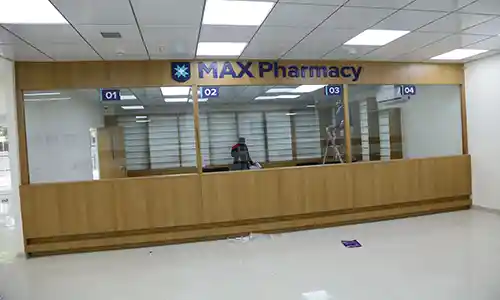
Projects and client associations include organizations such as DLF, MAX Healthcare, Delhivery, Larsen & Toubro, Tata Power Solar, Toshiba, Air India, Reliance Industries Limited, Samsung Electronics, and Noida International Airport.
Learn more about the company’s industrial execution background on the UNO Structures About Us page.
Common Buyer Questions Before Purchase
1. Can the warehouse be expanded later?
In many projects, future expansion is planned from the beginning. Expansion feasibility depends on structural configuration, site conditions, and operational layout planning.
2. Is this suitable for long-term industrial usage?
Yes, many industrial buyers use steel prefabricated warehouses for long-term operational storage and logistics infrastructure, especially when durability and scalable layouts are important.
3. Can loading bays and shutters be integrated?
Warehouse systems can generally be planned with loading access points, rolling shutters, ventilation provisions, and workflow-based entry-exit layouts depending on operational requirements.
4. Is site installation support available?
Installation coordination scope depends on project requirements, site location, and execution planning discussions during the proposal stage.
5. How fast can deployment begin?
Project timelines vary based on structural complexity, fabrication planning, customization level, and site readiness conditions.
6. Is this better than conventional warehouse construction?
For many industrial projects, prefabricated warehouse systems are preferred where faster execution, scalable expansion, and reduced construction dependency are operational priorities.
Get Steel Prefabricated Warehouse for Your Project
Industrial warehousing requirements often become urgent once operational expansion, inventory accumulation, or project execution pressure increases. Early infrastructure planning helps reduce workflow disruption and storage bottlenecks later.
UNO Structures supports customized steel prefabricated warehouse requirements from its Greater Noida manufacturing operations with pan India project supply capability for industrial, logistics, infrastructure, and commercial applications.
For warehouse planning discussions, customization consultation, or project-specific execution support, connect through the UNO Structures Contact Us page.