Shipping Container
Industrial operations often face delays because storage systems, transport units, or temporary logistics infrastructure are not ready when projects move to execution stage. Shipping containers are widely used because they combine mobility, structural strength, and adaptable utility in a single deployable unit.
UNO Structures manufactures and supplies shipping containers from its Greater Noida manufacturing operations for industrial, logistics, infrastructure, warehousing, EPC, and commercial applications across India. These container solutions are used for cargo movement, secure site storage, material handling support, portable utility spaces, and customized industrial modifications depending on project requirements.
For companies managing equipment movement, temporary warehousing, freight handling, or containerized site infrastructure, shipping containers provide a durable and scalable solution that can be deployed across varying operational environments with practical customization flexibility.
What is Shipping Container
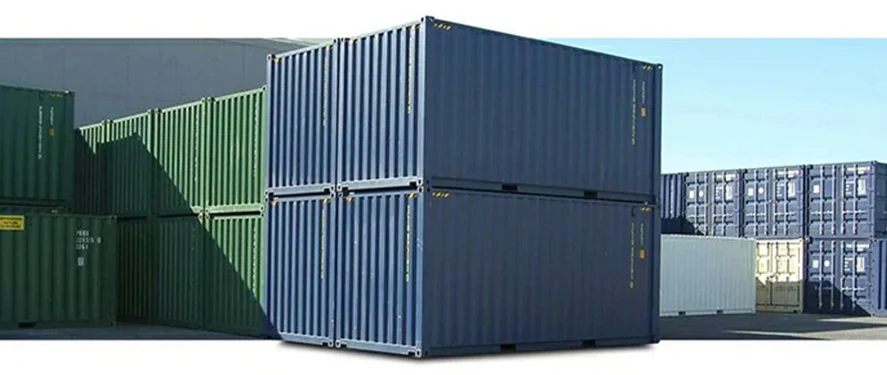
A shipping container is a structurally reinforced steel container designed for cargo transportation, industrial storage, material security, and containerized operational infrastructure. These units are commonly used across logistics, construction, warehousing, manufacturing, EPC, and infrastructure sectors where mobility, weather resistance, and handling compatibility are operational priorities.
Unlike lightweight temporary structures, industrial shipping containers are designed to withstand transportation stress, repeated loading cycles, outdoor exposure, and rough handling conditions. Depending on project needs, containers may be used in standard cargo format or modified for storage, utility integration, equipment housing, or site-specific operational requirements.
UNO Structures supports both standard and customized container requirements for businesses looking for scalable and durable container infrastructure.
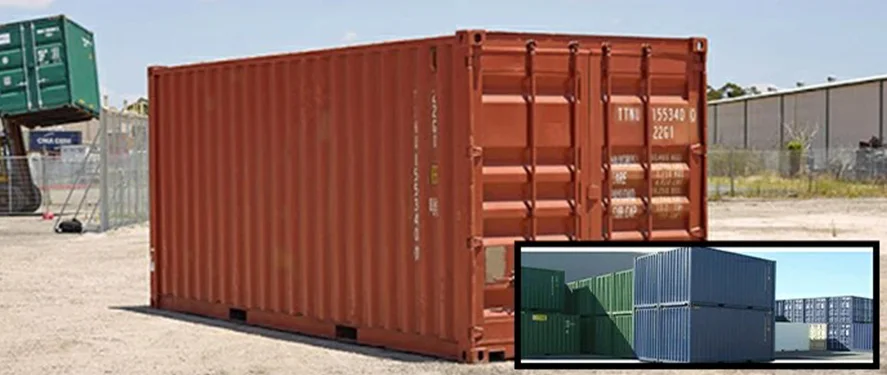
Cargo Shipping Container Solutions for Industrial Operations
Industrial buyers often require more than a basic storage box. The actual requirement usually involves operational continuity, material protection, loading efficiency, and movement compatibility across sites.
Shipping containers are commonly deployed for:
- Cargo transportation support
- Secure industrial storage
- Construction site logistics
- Temporary warehousing
- Equipment protection
- Spare parts storage
- Utility and electrical housing
- Portable industrial infrastructure
- Fleet-based logistics support
For infrastructure and EPC projects, container deployment becomes especially important where site mobility and temporary operational setups are constantly changing.
In many cases, buyers also require fabrication modifications such as reinforced flooring, ventilation systems, additional access doors, partitioning, electrical provisions, insulation, or equipment mounting support depending on site conditions.
Industrial Shipping Containers for Secure Storage
One of the major reasons businesses prefer container-based storage systems is operational reliability under harsh site conditions.
Open-yard storage frequently creates problems such as:
- Material theft
- Weather exposure
- Inventory damage
- Handling inefficiency
- Equipment corrosion
- Poor organization during fast-moving projects
Shipping containers help reduce these operational risks by creating controlled and lockable storage infrastructure that can be relocated whenever site requirements shift.
Common Industrial Storage Uses
Construction and EPC Sites: Used for storing tools, consumables, electrical components, fasteners, and project equipment.
Manufacturing Facilities: Used as overflow storage during production expansion or temporary inventory management phases.
Logistics and Transport Yards: Used for cargo staging, dispatch coordination, and transit material holding.
Infrastructure Projects: Useful for remote-location operational storage where permanent infrastructure is not immediately available.
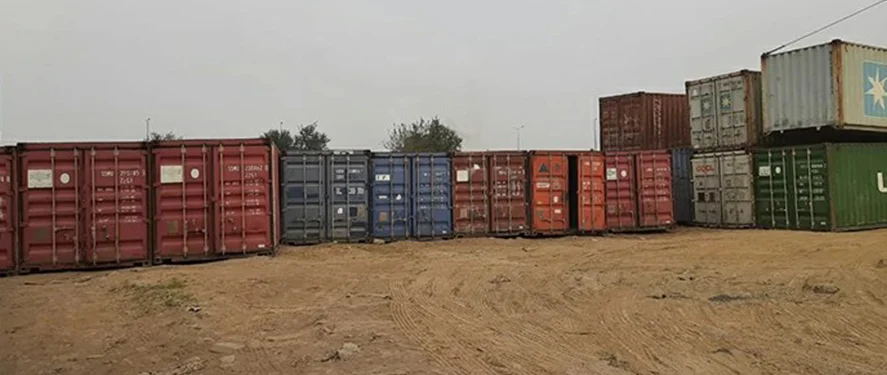
Customized Shipping Container Fabrication
Many industrial buyers no longer use containers only for transportation. Modern project execution frequently requires container modification for operational utility.
UNO Structures supports customization based on deployment conditions and functional requirements.
Common Modification Options
- Internal partitioning
- Industrial shelving systems
- Electrical integration
- Lighting and ventilation
- Locking systems
- Insulated panels
- Side-opening access
- Equipment mounting provisions
- Reinforced flooring
- Utility integration
For some industries, containers are converted into portable operational units where transportation and utility functions need to coexist.
Businesses already evaluating related container infrastructure may also explore the container solutions section on UNO Structures for broader deployment requirements.
Applications in Real Use
Shipping containers are used across industries because they solve multiple operational challenges without requiring permanent civil development.
A common example is fast-track infrastructure projects where materials reach site before permanent storage infrastructure is completed. Containers help maintain workflow continuity without exposing equipment and inventory to environmental damage.
Other practical deployment scenarios include:
- Temporary logistics hubs
- Railway and airport infrastructure projects
- Oil and gas support operations
- Industrial maintenance shutdowns
- Mining and remote-location projects
- Seasonal inventory overflow
- Utility equipment protection
- Event infrastructure logistics
Containers are also useful during urgent project mobilization where temporary infrastructure must be arranged quickly without large-scale site development.
Industries Using This Product
Shipping containers are widely used across sectors that depend on material movement, operational storage, or mobile infrastructure systems.
Common Industry Segments
- Construction and infrastructure
- EPC contracting
- Warehousing and logistics
- Manufacturing
- Energy and utilities
- Airport and aviation projects
- Mining and industrial operations
- Transportation and freight companies
- Government and institutional projects
With over 15 years of execution experience and supply support across India, UNO Structures has worked with clients including DLF, Delhivery, Larsen & Toubro, Toshiba, Tata Power Solar, Air India, Reliance Industries Limited, Samsung Electronics, Max Healthcare, and Petronet LNG Limited for infrastructure-related requirements.
Design and Customization Options
Container selection is rarely based on dimensions alone. Industrial buyers usually evaluate how the unit will function under actual operating conditions.
Structural Configuration
Buyers may choose configurations depending on:
- cargo type
- handling frequency
- transportation mode
- crane lifting requirements
- stacking requirements
- operational environment
Operational Additions
Customization can include:
- ventilation systems
- internal utility routing
- anti-corrosion treatment
- insulation
- equipment access panels
- specialized storage layouts
Deployment Environment Factors
Project location also affects fabrication decisions. Coastal exposure, dust-heavy industrial environments, remote infrastructure sites, and high-traffic logistics yards often require different structural and protective considerations.
Technical Considerations
Before finalizing a shipping container requirement, procurement and project teams should evaluate actual operational conditions rather than focusing only on initial procurement cost.
Key Evaluation Factors
Transportation Compatibility: Container dimensions and structural design should align with transportation methods, lifting systems, and unloading capabilities.
Load Conditions: Material type, weight distribution, and storage density affect flooring and reinforcement decisions.
Environmental Exposure: Long-term outdoor deployment may require corrosion protection and weather resistance considerations.
Access and Workflow: Door placement, loading pattern, and handling frequency directly affect operational efficiency.
A shipping container that works well for freight movement may not be suitable for static industrial storage without appropriate customization.
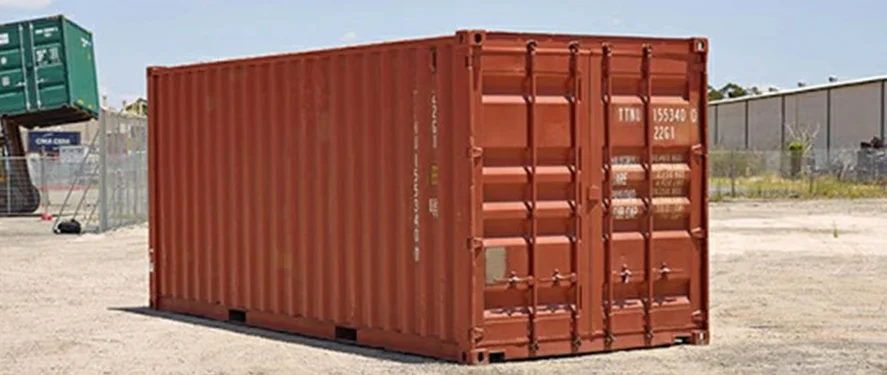
How to Choose the Right Shipping Container
A suitable container selection depends on operational use rather than only physical size.
A 40–60 word direct-answer buyer block:
The right shipping container should match cargo type, transportation frequency, environmental exposure, loading method, and operational duration. Buyers should evaluate whether the container will be used for transit, long-term storage, modified utility use, or site deployment before selecting fabrication specifications.
Selection Questions Buyers Should Consider
- Will the container remain stationary or move frequently?
- Is the container exposed to harsh weather conditions?
- Will forklifts or cranes handle loading?
- Is internal utility integration required?
- Will modifications affect cargo capacity?
- Is future relocation expected?
Buyers managing multi-site operations often prefer customization flexibility because operational requirements evolve over time.
Common Mistakes Buyers Make
Selecting Only on Initial Price: Low-cost units may create operational issues later through structural wear, leakage problems, or poor modification compatibility.
Ignoring Site Conditions: Containers used near coastal, chemical, or heavy industrial environments may require additional protection measures.
Underestimating Access Requirements: Insufficient access planning creates handling inefficiencies during loading and unloading.
Choosing Standard Units for Specialized Use: Standard freight containers may not support modified operational applications without reinforcement or fabrication changes.
When This Product May Not Be Suitable
Shipping containers are highly practical for many industrial applications, but they are not ideal for every deployment scenario.
They may not be the best choice when:
- Permanent RCC infrastructure is already available
- Highly temperature-sensitive operations require advanced environmental control
- Space restrictions limit container handling movement
- Extremely lightweight temporary storage is sufficient
- Frequent interior layout changes are expected without structural modification
For highly specialized operational environments, buyers may require alternative modular or prefabricated infrastructure systems instead of conventional cargo containers.
Installation and Delivery Process
Industrial container deployment requires more coordination than simply transporting a unit to site.
Typical Process Flow
Requirement Discussion: Operational use, location conditions, customization needs, and handling requirements are evaluated.
Fabrication and Modification: Container preparation and customization are completed based on approved deployment scope.
Transportation Planning: Route accessibility, unloading equipment, and placement conditions are reviewed before dispatch.
Site Positioning: Final placement depends on operational access, crane handling, leveling conditions, and workflow movement.
UNO Structures supports pan India supply coordination depending on project scope and logistical feasibility.
Businesses evaluating container deployment for storage or operational infrastructure may also review related solutions at Shipping Container Solutions.
Pricing and Cost Factors
Shipping container pricing varies depending on operational specifications rather than only external dimensions.
Common Cost Influencing Factors
- Container size
- Customization level
- Structural modifications
- Insulation requirements
- Transportation distance
- Loading arrangements
- Utility integration
- Flooring requirements
- Corrosion protection treatments
Urgent project timelines and remote-location deployment may also affect overall execution cost.
For industrial buyers, long-term operational suitability is often more important than lowest initial procurement pricing.
Why Businesses Choose UNO Structures
Industrial buyers usually prefer suppliers who understand deployment realities rather than only manufacturing specifications.
UNO Structures combines manufacturing capability with project execution understanding for containerized infrastructure requirements across India.
Operational Strengths
- Manufacturing support from Greater Noida
- Pan India supply capability
- Container customization flexibility
- Industrial project experience
- Multi-sector infrastructure exposure
- End-to-end coordination support
The company has completed more than 900 projects and served over 400 clients across industrial, infrastructure, healthcare, logistics, EPC, and commercial sectors.
Additional company background and operational capabilities can be explored on the UNO Structures About Us page.
Common Buyer Questions Before Purchase
1. Can shipping containers be modified for industrial operational use?
Yes. Containers can be customized with electrical systems, insulation, ventilation, partitions, shelving, access modifications, and utility integrations depending on deployment requirements.
2. Are these containers suitable for long-term outdoor deployment?
They are commonly used in outdoor industrial environments, but environmental exposure conditions should be evaluated before finalizing structural and protective specifications.
3. Can containers be relocated after installation?
Yes. One major advantage of container infrastructure is relocation flexibility when projects shift or operational layouts change.
4. Is site preparation required before placement?
In most cases, buyers should prepare a level and stable placement surface to support safe positioning and long-term usage.
Get Shipping Container for Your Project
Industrial logistics and storage requirements often become critical during active project execution. Delays in material protection, site storage, or cargo infrastructure can directly affect operational continuity.
UNO Structures manufactures and supplies customized shipping containers from Greater Noida with pan India project support for industrial, logistics, warehousing, and infrastructure applications.
Whether the requirement involves cargo handling, secure industrial storage, container modification, or temporary operational infrastructure, the team supports requirement evaluation, customization planning, and deployment coordination based on actual project conditions.
Explore project discussions or operational consultation through the UNO Structures Contact Us page.